Frequent batch gravy makers
If you regularly reduce gravy or stock in a large saucepan, you need room to bring it down and enough low-heat control to hold a gentle simmer afterwards.


Choose induction if your gravy pan is compatible and you want direct heat adjustment during reduction; ceramic is worth considering if keeping non-induction cookware matters more. With either type, check how the particular model holds a gentle simmer, whether its cooking zone fits your pan and whether it suits your installation. Boost power alone cannot answer those questions.
If you regularly reduce gravy or stock in a large saucepan, you need room to bring it down and enough low-heat control to hold a gentle simmer afterwards.
If you often use a stockpot or wide pan, the position and dimensions of a usable cooking zone matter alongside the hob’s controls. A linked-zone feature is relevant only if the particular model supports your vessel.
If you are replacing a built-in hob, check the gravy pan, worktop opening and electrical arrangements before choosing a cooking feature. Induction also requires compatible cookware.
Start with the type of hob that works with your cookware, then assess the pan’s fit and the model’s low-heat control; a larger cooking area does not, by itself, establish better simmering.
Consider it when: Your induction-compatible saucepan has a flat base that fits the stated circular zone.
Trade-off: An unusually wide pan may need a different zone layout.
Consider it when: A stockpot or wide pan needs a cooking area that a single circular zone does not provide.
Trade-off: Linked-zone arrangements vary by model, so confirm the intended pan placement in its instructions.
Consider it when: Keeping a saucepan that is unsuitable for induction is the deciding factor.
Trade-off: Elements heat the glass surface, which remains hot after use; check the chosen model’s simmering performance separately.
| Concern | What to check | Who this matters to |
|---|---|---|
| Reduction and gentle simmering | Look for model-specific independent assessment of low-temperature simmering as well as heating speed. Check that the controls offer settings you can use for both stages. | When I turn down a batch of gravy after reducing it, I want it to simmer gently rather than catch on the pan; around 42% of consumers put low-heat control first. |
| Large-pan fit | Compare the pan’s flat base with the stated zone dimensions and layout. Check bridge, combi or flex-zone instructions if a single zone does not suit it. | A wide batch pan needs a usable place on the hob, not merely several zones on the specification sheet; large-pan fit comes first for around 33% of consumers. |
| Cookware and installation | For induction, check pan compatibility. For a built-in model, compare its electrical load, connection method and worktop cut-out with your kitchen. | If I am keeping my current pans or replacing a built-in hob, a mismatch could change what I can choose; around 25% of consumers prioritise cookware and installation fit. |
Fast heat-up does not show whether a hob can maintain the gentle simmer needed near the end of a gravy reduction.
Compare model-specific independent assessments of low-temperature simmering as well as heating speed.
Four zones do not necessarily give a wide stockpot a suitable cooking position.
Measure the pan’s flat base and compare it with the zone layout. Consider linked zones only if the model’s instructions support the way you will place the pan.
Induction heats compatible cookware directly, so a pan that works on another electric hob may not be suitable.
Check the saucepan maker’s guidance and the chosen hob’s cookware requirements before ordering.
Keeping an incompatible saucepan would mean obtaining suitable cookware for induction cooking.
A built-in model’s electrical load, connection method or cut-out may differ from the existing hob’s.
Check the exact model against your kitchen and have a qualified electrician assess any electrical installation work.
Depending on the existing installation, electrical work or alteration of the worktop opening may be needed.
AEG has induction models to examine if your batch-cooking pan needs a linked cooking area.
Bosch offers model-specific induction layouts for buyers assessing where a large pan can sit.
NEFF is relevant if flexible induction-zone placement is part of your large-pan decision.
These induction and ceramic electric options include built-in hobs and one portable induction cooker. Compare your gravy pan with each model’s cooking area, then check low-heat performance and installation requirements where relevant.
 No image available
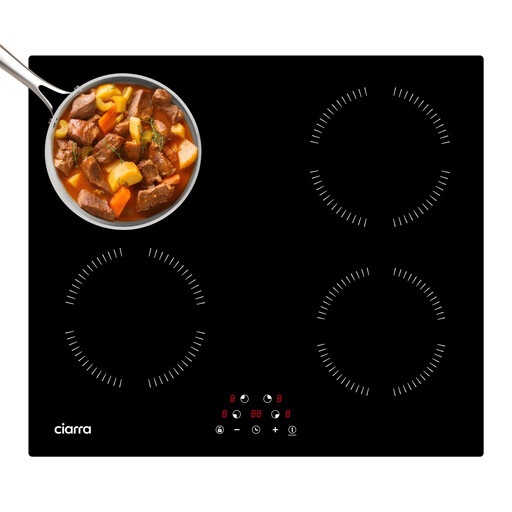
Consider its flexible bridge if your batch pan needs a linked cooking area; confirm the intended pan placement in the model instructions.
The product name specifies four cooking zones, touch controls and boost mode. Check independent low-heat assessments before relying on it for the final simmer, and confirm cookware, electrical and worktop fit.
 No image available
Consider this built-in option if your induction-compatible gravy pan fits one of its cooking zones.
Check the pan guidance and installation dimensions for this model. Its product name describes modular power control, but that does not establish gentle-simmer performance; seek a model-specific assessment.
 No image available
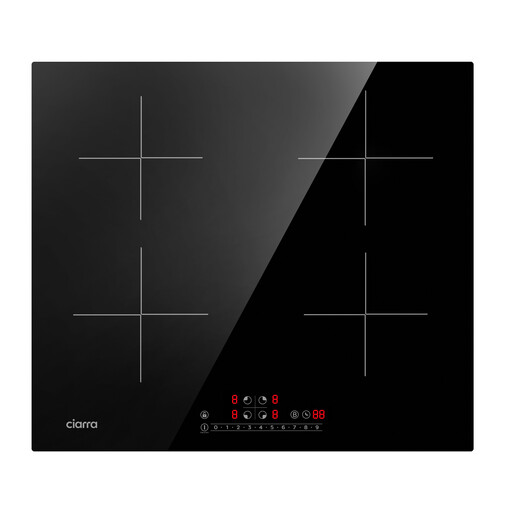
This is another built-in induction option for a compatible saucepan whose base suits the chosen zone.
The product name specifies touch control, nine power levels and a booster function. Those features do not establish low-heat precision; check a model-specific simmer assessment, pan fit and installation requirements.
 No image available
Consider this countertop format if portability matters more than replacing a built-in hob.
The product name specifies ten power settings and six functions. Check that the cooking area fits your induction-compatible pan and assess low-heat control separately; the 2000W rating alone does not establish reduction speed or simmer stability.
 No image available
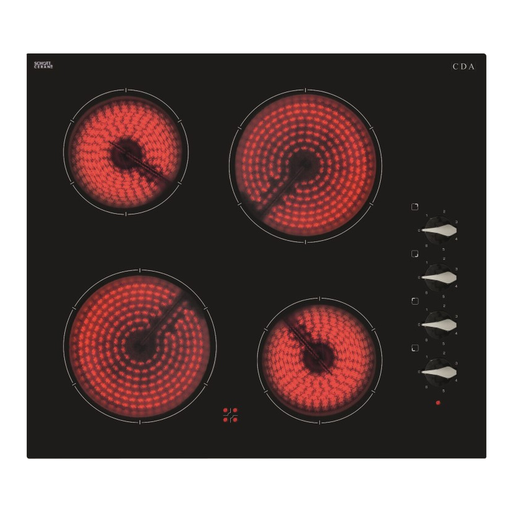
Consider this ceramic option if retaining a non-induction gravy pan is important, provided its base fits a cooking zone.
The product name specifies four zones. Check the exact model’s controls and dimensions before ordering, seek independent evidence of gentle simmering and confirm the electrical and worktop requirements.
Start with induction if your pan is compatible and direct heat adjustment matters to you; consider ceramic if keeping non-induction cookware is decisive. Either way, check model-specific gentle-simmer performance and whether the zone fits the pan.
Not automatically: compare the stockpot’s flat base with the stated dimensions of a single zone first. A bridge, combi or flex layout is relevant if the model’s instructions show that it supports the pan placement you need.
It will work only if it is induction-compatible and suits the chosen hob’s pan guidance. Check the saucepan maker’s marking or documentation rather than assuming compatibility because it works on a ceramic hob.
Only if the new hob’s connection, electrical requirements and cut-out suit the existing installation. Check the exact model before ordering and have a qualified electrician assess any electrical work needed.
No. Boost describes a high-power function, not low-heat control. Which? assesses heating and gentle simmering separately in its hob testing, so look for an independent assessment of the particular model.