Multi-pan family cooks
If you boil pasta, simmer sauce and prepare a side dish at once, usable zone positions and pan-size flexibility matter more than a feature you rarely use.


Choose induction if your pasta pots and saucepans have magnetic bases and you want direct heating in the pan; choose ceramic if keeping non-magnetic cookware matters more. For either type, check that the zones accommodate your pans together, then confirm the cut-out, electrical load and connection requirements before ordering.
If you boil pasta, simmer sauce and prepare a side dish at once, usable zone positions and pan-size flexibility matter more than a feature you rarely use.
If a sauce needs gentler heat after boiling or browning, consider how you will adjust the power and keep track of cooking time. An assisted-boil function should be assessed for the task described in that model’s instructions, rather than assumed to control sauce.
If you plan to keep your cookware or replace a built-in hob, check magnetic pan bases before choosing induction, then compare the new appliance’s cut-out and electrical requirements with your kitchen.
Consider it when: Your pans have magnetic bases and you want heat generated directly in the cookware while managing pasta and sauce.
Check before choosing: Pan compatibility and the exact model’s electrical and fitting requirements can change whether it suits your kitchen.
Consider it when: Keeping non-magnetic pans is a priority. Its elements heat beneath the glass rather than generating heat in the pan.
Check before choosing: The surface becomes hot, and heating and control vary by model. Which? assesses ceramic hobs’ heat-up time and heat distribution rather than treating them as interchangeable.
| Concern | What to check | Who this matters to |
|---|---|---|
| Sauce control | Compare power controls and timers; check exactly what any assisted-boil function controls. | When sauce needs gentler heat while the pasta water boils, I want to adjust it without losing track of either pan. Around 37% of consumers put sauce control first. |
| Space for several pans | Compare your pan bases with the zone map; consider a bridge, flexible or extendable zone only if its layout suits your cookware. | If a pasta pot, saucepot and side pan are in use together, I need positions that fit all three without crowding. For around 27% of consumers, fitting several pans is the main concern. |
| Cookware and installation | Test pan bases for induction compatibility; check the cut-out, total electrical load and connection method for the exact hob. | I would rather keep my pans and avoid choosing a hob that does not suit the existing opening or electrical setup. That is the primary concern for around 27% of consumers. |
| Hot surfaces and controls | Check for residual-heat indicators and a child lock, and read how they operate on the chosen model. | With children nearby, I need clear warnings after cooking and controls that are less easily changed by accident. Around 9% of consumers put these safeguards first. |
Induction heats suitable cookware directly; a ceramic electric hob heats elements beneath its glass. The distinction matters if you intend to keep non-magnetic pans.
Test the bases of the pots and saucepans you use regularly with a magnet before settling on induction.
Choosing induction with incompatible existing pans may mean replacing the cookware you need for family meals.
Two built-in hobs of a similar advertised width can have different fitting and electrical requirements. An appliance’s outside dimensions are not its cut-out dimensions.
Compare the installation sheet with your kitchen opening, and have a qualified electrician assess the exact model’s load and connection method before ordering.
Zone positions and sizes affect whether a large pasta pot, saucepot and side pan can be used together. Bridge, flexible and dual zones address different cookware shapes.
Measure the bases of your usual pans and compare them with the model’s zone map before paying for a layout you may not use.
A ceramic surface can remain hot after its controls are turned off. A residual-heat indicator warns of heat, while a child lock concerns the controls; neither makes hot cookware safe to touch.
Keep children away from hot pans and surfaces, and check the manual for the model’s lock and heat-warning behaviour.
AEG has induction models relevant to different family-cooking needs: assisted boiling on one model and a larger combined cooking area on another.
Bosch provides both induction and radiant electric examples for buyers comparing heating methods and existing cookware.
The HIC164402T is a ceramic option for cooks considering four zones without induction’s magnetic-pan requirement.
The HR 724 B H illustrates a wider ceramic format for households comparing cooking space and pan placement.
The NZ64B6056GK/U1 is an induction example for cooks considering flexible placement of larger cookware.
These induction hobs are relevant if you are considering magnetic-base cookware for cooking pasta and sauce together. Compare each model’s zone layout with your pans and confirm the fitting and electrical requirements before choosing.
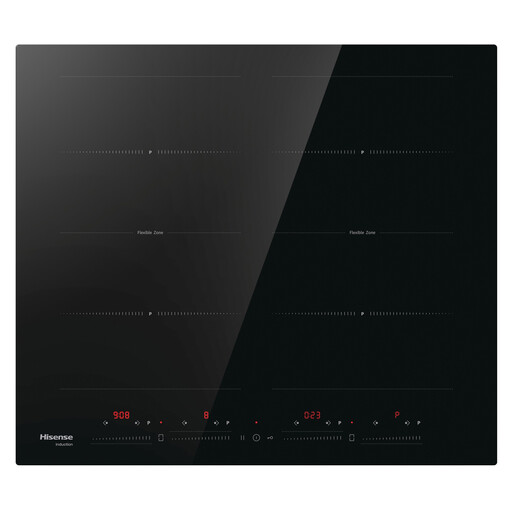 No image available
Consider this when you need space for a larger pan alongside other cookware; compare your magnetic pan bases with its zone layout.
60 cm electric induction hob with Area Flex. Confirm its cut-out and electrical requirements for your kitchen.
 No image available
Consider the flexible bridge if the larger pans you use for family meals suit its layout; check that the wider hob fits your kitchen.
Four cooking zones, touch controls and boost mode. Check pan compatibility and the electrical installation requirements.
 No image available
Consider this for pasta and sauce cooking only after confirming that your pans fit its zones and your kitchen suits its connection.
The product name specifies a hardwired connection. Check the required cut-out and electrical load before ordering.
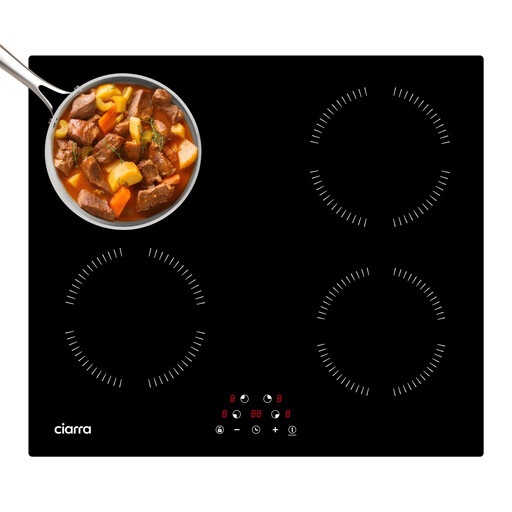 No image available
If several pans share the hob, compare their magnetic bases with all four zone positions rather than relying on zone count alone.
Built-in induction design. Confirm the cut-out and connection requirements with an electrician.
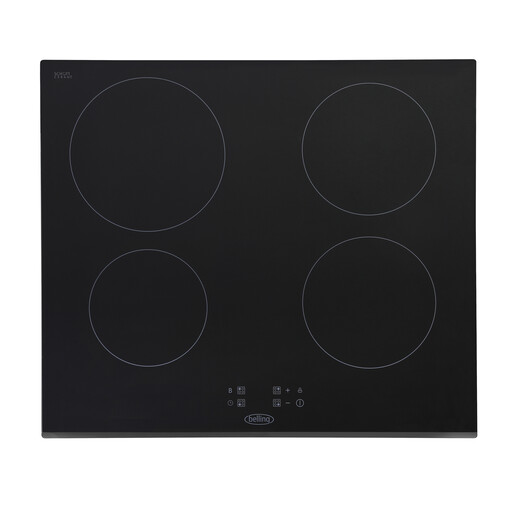 No image available
For a kitchen considering a 60 cm induction hob, check whether its zone positions accommodate your usual pasta pot and saucepans together.
Confirm magnetic-pan compatibility, the kitchen cut-out and electrical connection requirements for this model.
They will need magnetic bases: check whether a magnet holds firmly to each pan you regularly use. Electrolux also advises checking that cookware suits the cooking zone; compare pan-base sizes with the instructions for the exact hob.
Neither type removes the need to supervise children around hot pans and surfaces. Induction generates heat in suitable cookware, while a ceramic hob heats elements beneath the glass; residual-heat indicators and child locks can help, but they do not make a hot surface safe to touch.
Have a qualified electrician assess the exact hob’s load, connection method and existing installation before fitting it. For domestic electrical work, GOV.UK’s Approved Document P covers England; Electrical Safety First explains that Scotland uses its Building Standards system and that Northern Ireland does not have an equivalent statutory requirement. Confirm the rules applicable to your property, including any notification requirements, before work begins.
Start with a zone layout that fits the pans you use simultaneously and controls you can adjust while the sauce simmers. A timer can help coordinate tasks; consider boost or assisted-boil functions for the uses specified by the model, and a bridge or extendable zone only if your cookware needs that space.