Small-batch curd makers
If you stir lemon curd as it heats, you need a setting you can adjust before the eggs overcook. All Hallows Farmhouse advises low heat and continuous stirring in its lemon-curd recipe.


Choose induction if your saucepan is compatible and you want to adjust heat directly at the pan; choose ceramic if keeping non-induction cookware or using physical controls matters more. For lemon curd, check that you can select a gentle setting and reduce it while stirring. If you are replacing a built-in hob, confirm the cut-out and electrical requirements for the exact model before ordering.
The right hob depends on the saucepan you use, the way you control gentle heat and whether you are replacing a built-in appliance.
If you stir lemon curd as it heats, you need a setting you can adjust before the eggs overcook. All Hallows Farmhouse advises low heat and continuous stirring in its lemon-curd recipe.
If you want to keep using a particular pan, check it before choosing induction. Beko says induction requires compatible cookware and suggests looking for an induction symbol or testing the base with a magnet; ceramic electric cooking does not have that magnetic-base requirement.
If the new hob must fit an existing worktop opening, compare its installation drawing with your measurements. The nominal width alone will not settle the cut-out or electrical connection requirements.
For lemon curd, start with a usable low setting and your saucepan’s compatibility. Then check whether the exact hob will fit and how you will handle a hot surface after cooking.
| Concern | What to check | Who this matters to |
|---|---|---|
| Gentle heat control | Look for a low setting that is easy to select and adjust while stirring; do not choose by boost power alone. All Hallows Farmhouse calls for low heat and continuous stirring. | If I make small batches of curd, I want to lower the heat promptly as the mixture thickens. Around 50% of consumers put controllable gentle heat first. |
| Keeping existing pans | Before choosing induction, check the saucepan for an induction symbol or a magnetic base, as Beko advises. A ceramic electric hob does not require an induction-compatible base. | I would rather keep using my usual saucepan than change cookware for a new hob. Around 30% of consumers prioritise keeping their pans usable. |
| Built-in fit and surface safety | Compare the exact worktop cut-out and electrical requirements with your kitchen. Check for residual-heat indicators if the cooking surface may be touched or cleaned soon after use. | When replacing a fitted hob, I need it to suit the opening and I want a clear warning while the surface remains hot. Roughly 20% of consumers put installation and post-cooking safety first. |
An induction hob needs a compatible pan to heat it. Your preferred lemon-curd saucepan may therefore determine whether induction is practical.
Check for an induction symbol or test whether a magnet clings to the base, as Beko recommends.
If the pan is incompatible, using induction would also mean changing the saucepan you cook with.
Lemon curd needs gentle heat and continuous stirring, according to All Hallows Farmhouse. A boost function does not replace an accessible low setting or your judgement as the mixture thickens.
Compare how each model selects and changes lower power levels, and keep stirring rather than leaving the pan unattended.
The appliance width and required worktop opening are different measurements. Beko, for example, specifies a 560 × 490 mm cut-out for its CIHYV21 ceramic hob.
Measure the opening, check the exact model’s installation drawing and confirm the electrical installation requirements before ordering.
A mismatch may require worktop alteration or additional installation work.
A ceramic cooking zone can remain hot after it is switched off, even when the glass looks ready to clean.
Look for a residual-heat indicator and avoid touching or cleaning the zone while its warning is active.
These model examples illustrate control and cookware choices; brand inclusion is not a judgement about every hob in a range.
Bosch’s PUE611BB5B illustrates a four-zone built-in induction hob with touch selection of zones and power levels.
Hotpoint’s HR 620 R H illustrates a built-in ceramic electric hob for shoppers who prefer side dials.
Beko offers ceramic and induction options, making its model and cookware guidance useful when comparing the two types.
These choices include built-in induction and ceramic hobs, plus a portable induction cooker for someone who does not need a fitted replacement. Use your saucepan, preferred controls and available space to narrow the choice before checking the exact installation or usage instructions.
 No image available
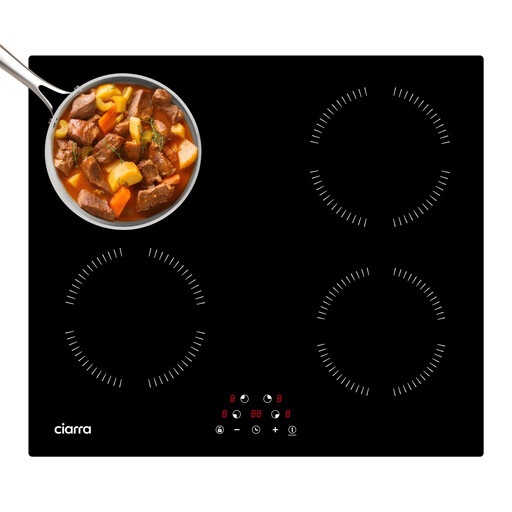
Consider this built-in induction format if your lemon-curd saucepan is compatible and you need four cooking zones. Check the model’s cut-out, electrical requirements and low-setting controls against your kitchen and cooking method.
 No image available
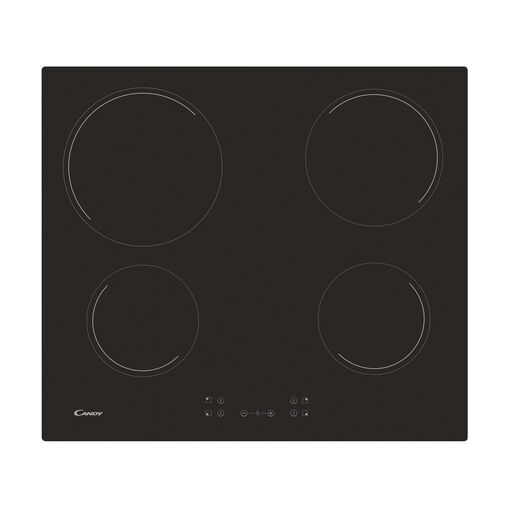
Consider this ceramic option if you want to keep a suitable non-induction saucepan. Check the cut-out and electrical requirements for this model, and whether its lower settings give you the adjustments you want while stirring.
 No image available
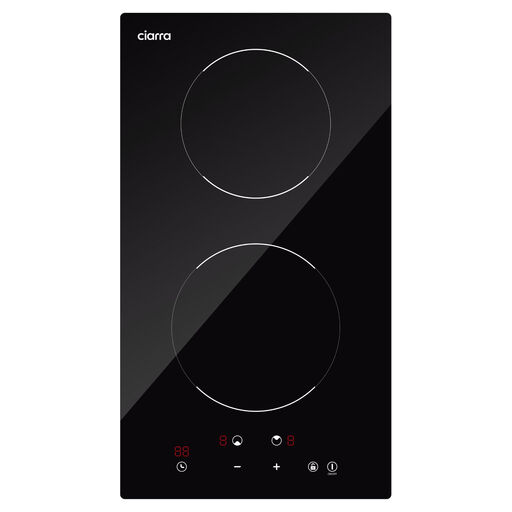
This compact built-in format is worth considering if you need two zones rather than a wider four-zone hob and have an induction-compatible saucepan. Its stated specifications include 2900W, touch control and nine power levels; confirm the cut-out, electrical requirements and suitability of its lower settings for your method.
 No image available
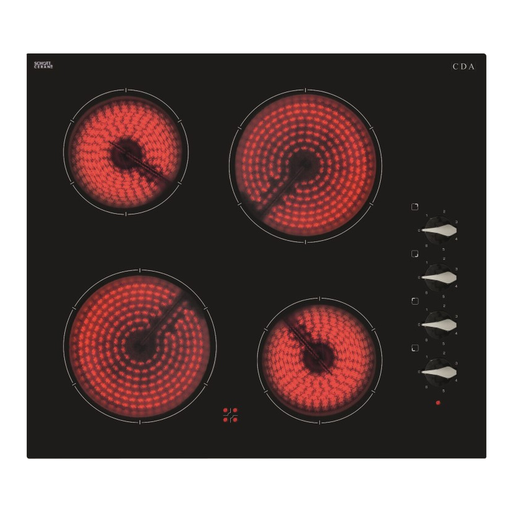
Consider this built-in ceramic hob if using suitable non-induction cookware matters more than switching to induction. Check its manual for the available control settings, then compare the required cut-out and electrical connection with your kitchen.
 No image available
Choose a portable format only if you do not need to replace a built-in hob and your saucepan works on induction. The product name specifies touch control and ten power settings; check its lower-setting behaviour against the gentle heat your recipe requires.
You need an induction-compatible saucepan. Beko recommends looking for the induction symbol or checking whether a magnet clings to the base; if your preferred pan is incompatible, consider a ceramic electric hob or a different saucepan.
No: induction may suit an induction-compatible pan and a preference for prompt heat changes, while ceramic can suit someone keeping non-magnetic cookware or choosing dial controls. All Hallows Farmhouse’s lemon-curd method still calls for low heat and continuous stirring, whichever hob you use.
Check the exact model’s appliance dimensions, worktop cut-out and electrical connection requirements against your kitchen. Confirm the appropriate installation arrangements for your location rather than assuming that a nominal 60 cm replacement will fit.
It warns that a cooking surface remains hot after use. Hotpoint and Beko list these indicators on the ceramic models discussed here; avoid touching or cleaning the zone while the warning is active.