Choose induction if your regular saucepans have flat, magnetic bases and you want responsive control when moving from sautéing vegetables to simmering lentil sauce. A ceramic electric hob is worth considering if keeping non-magnetic cookware matters more; whichever type you choose, check the exact model’s pan limits, worktop cut-out and electrical requirements before ordering.
Who this choice affects
Weeknight lentil-bolognese cooks
If you sauté onions and vegetables before lowering the heat for sauce, pay attention to how readily you can adjust the setting. Induction is particularly relevant if your existing pans are compatible: as Which? explains, it generates heat in the pan itself.
Households keeping their cookware
Check the pans you use most before committing to induction. Electrolux UK advises that induction requires a magnetic pan base; the base should also sit flat on the hob.
Batch cooks and multi-pan households
A large saucepot may need to share the hob with pasta or vegetables. Compare the zone layout and supported pan sizes; a bridge or flexible zone is worth examining if your usual cookware needs more space.
What matters when choosing
Induction electric hob
Consider it when: You want direct heating in the pan while changing from a higher sautéing setting to a lower simmer.
Trade-off: Your pans need suitable magnetic bases, and Which? notes that touch controls on some induction hobs can be fiddly when wet.
Ceramic electric hob
Consider it when: Keeping cookware that would not work on induction is more important to you than direct-pan heating.
Trade-off: The elements heat beneath the glass; compare individual models’ simmering results rather than assuming they perform alike.
| Concern |
What to check |
Who this matters to |
| Sauté-to-simmer control |
Heating method and adjustable settings; compare model-specific simmering results where available. |
If I fry vegetables before adding lentils and liquid, I want to lower the heat without struggling to settle the sauce into a simmer. Around 36% of consumers put responsive heat control first. |
| Pan and installation fit |
For induction, check magnetic pan bases and supported base diameters; for either type, check the cut-out, electrical load and connection type. |
Keeping my regular saucepans and fitting the hob into my existing kitchen come before extra cooking functions. Roughly 29% of consumers make cookware and installation fit their primary concern. |
| Large-pan capacity |
Zone layout, pan-size limits and any bridge or flexible-zone function. |
When sauce fills a large pot and pasta needs another pan, I need room for both. Around 21% of consumers prioritise large-pan or multi-pan space. |
| Everyday simplicity |
Control usability and model-specific simmering performance; look for the safety functions you would use. |
I would rather have familiar day-to-day controls than choose a heating method for its headline features alone. Approximately 14% of consumers place straightforward use first. |
Buying pitfalls
-
Ordering induction before checking the saucepans
Induction needs magnetic-based cookware, and the pan base must suit the cooking zone. A pot that looks wide enough at the rim may have a much smaller base.
Test each regularly used pan with a magnet, then compare its base diameter with the exact hob manual. Plan for different pans if your current ones are unsuitable.
-
Assuming the new hob uses the old connection
Connection methods and electrical loads differ between models; AEG lists its NIK85M30AZ as hardwired-only. Electrical Safety First advises checking appliance power requirements to avoid overloading wiring.
Give a qualified electrician the exact model number and installation instructions so they can assess the existing circuit and connection before you buy.
-
Assuming a wider hob fits every large pot
Bridge and flexible zones are model-specific. Their cookware limits and the space needed for installation still matter when choosing a hob for a large saucepot.
Compare your pot’s base with the stated zone limits, and measure the worktop cut-out before choosing a wider model.
-
Choosing by booster function alone
A booster addresses initial heating, but lentil bolognese also needs controllable heat during a longer simmer.
Compare the controls, usable zone layout and independent simmering results where available; treat a booster as one feature rather than the whole decision.
Relevant brands to consider
Beko
The 60cm HII164401QT is an example to examine if you want four induction zones in a standard-width format.
- Beko lists nine cooking levels, a timer, automatic shut-off and residual-heat indicators for this model.
- Check the HII164401QT installation requirements and your pan compatibility; its listed functions do not establish how every Beko hob will simmer.
Bosch
The PUE611BB5E is a 60cm four-zone induction model with touch controls; its specifications should not be assumed to apply to other Bosch models.
- Bosch lists TouchSelect, PowerBoost, QuickStart, Restart and ChildLock for the PUE611BB5E.
- Check the dimensions, installation instructions and supported cookware for the precise model you intend to buy.
AEG
AEG has wider induction examples worth examining when a large pan or cooking across zones matters more than a compact 60cm layout.
- AEG lists a bridge function on the 80cm TO84IB00FB and five zones with boil and fry sensors on the NIK85M30AZ.
- The NIK85M30AZ is listed as hardwired-only. Check the chosen model’s worktop and electrical requirements rather than applying either model’s features to the whole range.
NEFF
The T66FHX4L0 is a 60cm induction option to examine if flexible cookware placement interests you.
- NEFF lists four zones, two flexible induction zones and an extended frying sensor for the T66FHX4L0.
- NEFF says its flexible zones detect cookware size, shape and position; confirm the model’s cookware limits and installation specification for your own pans.
Induction hobs for this cooking task
These Joybuy induction hobs are options to compare if induction suits your cookware and kitchen. Consider their stated format alongside the pan, cut-out and electrical checks above; the ceramic route remains a separate choice.
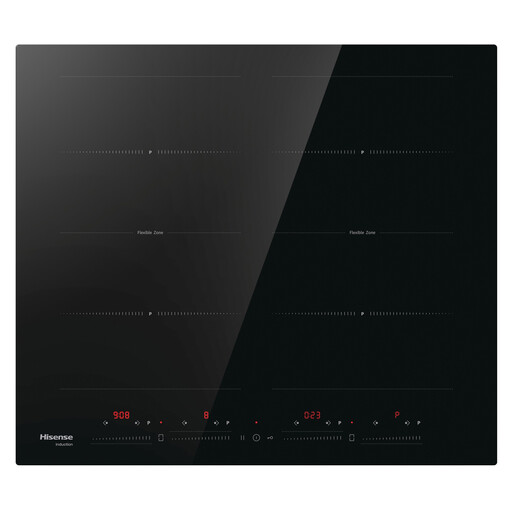 Image unavailable
Hisense HI6442BSCE 60cm Induction Hob with Area Flex
Consider this model if a flexible cooking area matters for your usual saucepot or an additional pan.
Check the Area Flex cookware limits, cut-out, connection requirements and compatibility with your magnetic-based pans before ordering.
View on Joybuy
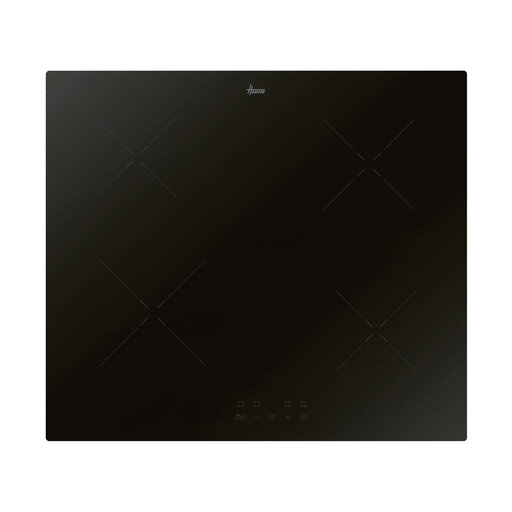 Image unavailable
Hoover HI642BCB 60cm Four-Zone Induction Hob
The four-zone layout is worth considering if sauce and a side dish regularly need separate pans.
Compare your pan bases with the supported zone sizes and have the installation requirements checked against your kitchen.
View on Joybuy
 Image unavailable
Bosch PIE631BB5E Series 4 60cm Induction Hob
Consider this built-in model if you want an induction option for moving between sautéing and simmering.
Its product title specifies a hardwired connection. Check the PIE631BB5E installation sheet and pan-size limits, and have a qualified electrician assess the circuit.
View on Joybuy
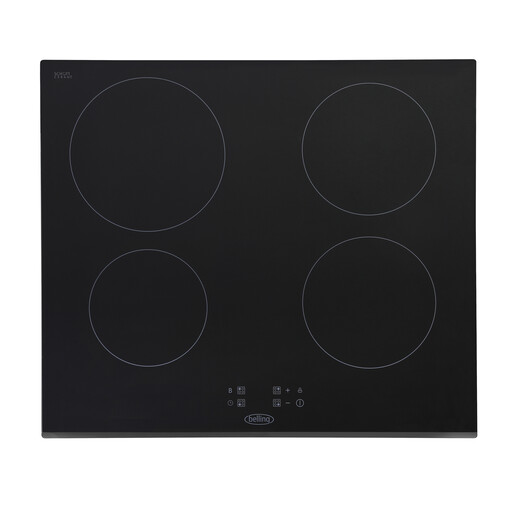 Image unavailable
Belling ComfortCook IHT603 60cm Induction Hob
This is a 60cm induction option to consider for a built-in kitchen layout.
Before ordering, compare the cut-out and supported pan bases with your kitchen and cookware, and confirm the connection requirements with a qualified electrician.
View on Joybuy
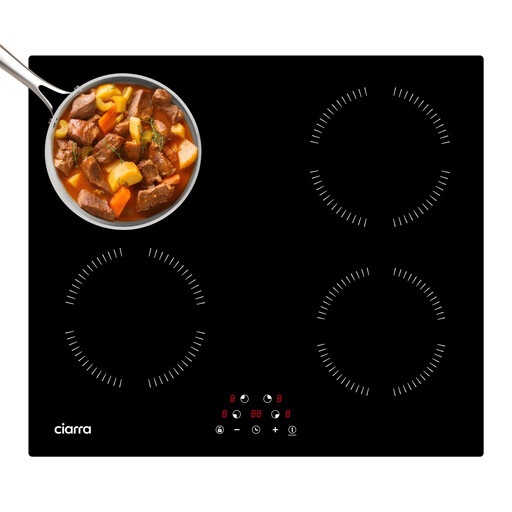 Image unavailable
Ciarra Built-In 60cm Four-Zone Induction Hob
Consider the four-zone format if you expect to cook lentil sauce alongside another pan.
Check which zones suit your usual pan-base diameters, and confirm the cut-out and electrical connection against the installation instructions.
View on Joybuy
Common questions
Is induction or ceramic better for lentil bolognese?
Induction is a sensible choice if you want responsive changes between sautéing and simmering and have magnetic-based pans. Ceramic is worth considering if keeping non-magnetic cookware takes priority; compare individual models’ simmering performance before deciding.
Will my stockpot work on an induction hob?
It needs a flat, magnetic base that suits the hob’s stated cookware sizes. Electrolux UK advises checking for a magnetic base; test yours with a magnet and compare the base diameter, rather than the rim, with the exact model manual.
Do I need an electrician for a replacement electric hob?
Have a qualified electrician assess the proposed hob’s connection and electrical load against your existing installation rather than assuming it is a direct replacement. Requirements depend on the work and the applicable UK nation; England’s Approved Document P and Scotland’s domestic building guidance cover different regulatory arrangements.
What should I measure before ordering a built-in hob?
Measure the worktop cut-out and check it against the exact model’s installation dimensions, not just its advertised width. Also compare the cooking zones with the base of your largest saucepot and check that there is room for any second pan you regularly use.


