Weeknight sauce cooks
If you usually use one pan, focus on changing heat as the mushrooms brown and the sauce begins to simmer. Check the controls and zone size on the exact hob before giving priority to space for larger cookware.


An induction hob is a sensible choice for browning mushrooms and then lowering the heat for sauce, provided your pans have magnetic bases and the hob suits your kitchen’s electrical installation. Consider a conventional ceramic hob if keeping non-magnetic cookware matters more; for sauce usually made in one pan, check low-heat controls before choosing extra bridge or flex space.
If you usually use one pan, focus on changing heat as the mushrooms brown and the sauce begins to simmer. Check the controls and zone size on the exact hob before giving priority to space for larger cookware.
Pan compatibility can decide whether induction suits your kitchen. NEFF UK advises that induction cookware needs a base attracted by a magnet; check the frying pans and saucepans you use most often, along with their base sizes.
If the sauce cooks alongside other dishes, compare the zone layout with the pans you use together. AEG describes a bridge function that joins two zones, while NEFF describes flexible zones with cookware detection on a cited model; check the dimensions and installation requirements of the hob you choose.
Start with the heat changes your sauce needs, then establish whether your pans and kitchen suit induction. Extra cooking space matters most when larger pans or several dishes are part of your usual routine.
| Concern | What to check | Who this matters to |
|---|---|---|
| Browning-to-simmer control | Check the exact model’s heat controls and low-setting guidance; a booster alone does not establish simmer control. | When mushrooms need browning before the sauce is held at lower heat, I want to adjust the zone without relying on a high-heat feature. Around 50% of consumers put this control first. |
| Cookware and installation | Test induction pans with a magnet, compare pan bases with zone guidance, and confirm the cut-out and electrical connection. | If I plan to keep my current pans or fit the hob into an existing kitchen, an incompatible pan or unsuitable installation could change my choice. Roughly 33% of consumers make compatibility their primary concern. |
| Large-pan and multi-pan space | Compare the pans used together with the zone layout and available worktop space before choosing bridge or flex functions. | When sauce is only one part of a larger meal, I need room for the other pans without assuming flexible zones will suit their shapes. About 17% of consumers prioritise cooking space. |
An unsuitable pan may not be detected, so the hob’s controls cannot make up for incompatible cookware. NEFF UK advises using pans with a base attracted by a magnet.
Test your regular frying pan and saucepan, then compare their base diameters with the hob’s zone guidance.
Keeping induction may mean replacing pans that do not have suitable bases.
A bridge-zone layout is useful only if the hob fits the available space and its electrical requirements can be met. Connection and cut-out requirements depend on the exact model.
Ask a competent installer to check the specification sheet, worktop opening and electrical supply before ordering.
Worktop or electrical alterations can add installation work.
Bridge and flex functions address cookware placement and larger cooking areas; they do not, by themselves, establish how a hob holds a gentle simmer.
Compare the pans you actually use together with the zone layout, and check low-setting controls separately.
The cited PUE611BB5E is a conventional four-zone induction example for cooks comparing everyday pan layouts.
The cited 6000 Bridge model is relevant when a larger cooking area is useful alongside sauce making.
The cited T56TT60N0 offers a flex-zone layout for cooks comparing cookware placement options.
These induction hobs cover four-zone cooking, a flex-zone option and a narrower two-zone layout. Choose by the pans you use, the space available and the exact model’s installation requirements; check its low-heat controls for sauce making.
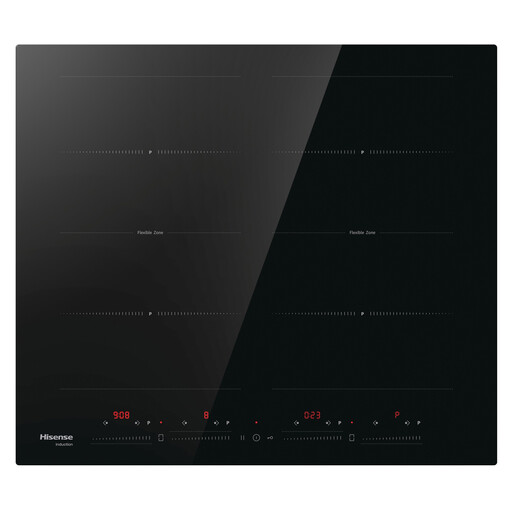 No image available
Consider this model if you use a larger pan alongside sauce cooking and want to assess its Area Flex layout.
Check the zone guidance against your magnetic pans, and confirm the cut-out and electrical requirements before ordering.
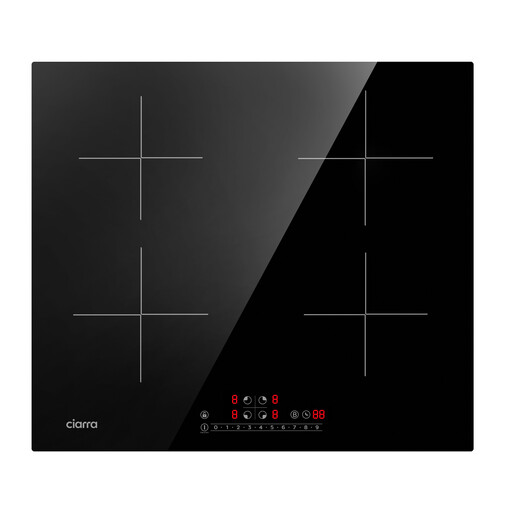 No image available
The four-zone layout is relevant if sauce cooks alongside other pans; the title specifies touch controls and nine power levels.
A booster is not a measure of gentle-simmer control. Check pan compatibility and the installation requirements for this model.
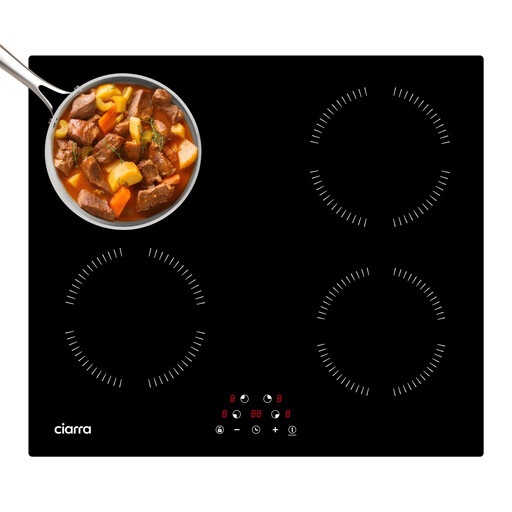 No image available
This four-zone model is an option for cooking sauce while keeping other pans on the hob.
Check how its controls handle low settings, whether your pans suit its zones and whether its installation requirements suit your kitchen.
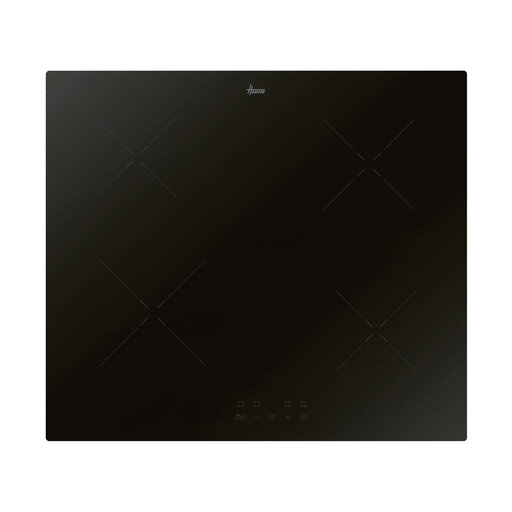 No image available
The four-zone format is relevant if you regularly make sauce while using other pans.
Compare your pan bases with the zones and confirm the fit, electrical supply and low-setting controls for this model.
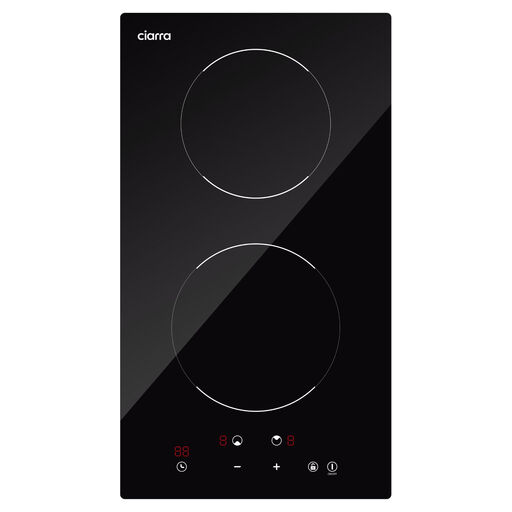 No image available
The two-zone layout is worth considering when sauce needs one zone and a second pan needs the other; the title also specifies nine power levels and a timer.
Confirm the available cut-out, electrical requirements and magnetic-pan compatibility. The number of power levels alone does not establish gentle-simmer performance.
It will work only if its base is suitable for induction. NEFF UK advises checking that a magnet is attracted to the base; also compare the base size with the cooking-zone guidance before relying on that pan for mushroom sauce.
Not for sauce usually cooked in one standard pan. A bridge or flex zone is more relevant if you regularly use larger cookware or need a different pan arrangement while cooking several dishes; check the usable layout on the exact hob.
Check the exact model’s dimensions, required worktop opening, connection type and electrical loading. Ask a competent installer whether the existing kitchen and supply suit those requirements before ordering.
No; check the requirements where the work will take place. GOV.UK’s Approved Document P covers electrical safety in dwellings in England, while GOV.WALES says electrical work during a kitchen refit may require building-regulations approval in Wales. A competent installer can help establish the applicable requirements before work starts.