Who should consider each option?

Cooks who adjust a simmer often

If you regularly move between softening onions and reducing gravy, induction’s direct heating of the pan may suit the way you cook. Ceramic glass continues to hold heat after its heating element is switched off, so changes take longer to settle.

Family-meal multitaskers

If gravy shares the hob with potatoes or vegetables, check the positions and sizes of the zones against your usual pans. A flexible zone may accommodate larger cookware, but it is a feature of particular models, not every induction hob.

Cooks keeping their existing saucepans

If you want to keep a favourite gravy pan, check its base before choosing induction. AEG UK explains that induction needs a magnetic pan base; the pan must also fit the chosen model’s zone requirements.

What matters when choosing?

Induction

Consider it when: You want to adjust heat promptly as onions soften and gravy reduces.

Trade-off: It needs magnetic-base cookware that fits the cooking zones.

Ceramic electric

Consider it when: Keeping existing non-magnetic pans matters more to you than responsive heat changes.

Trade-off: The glass surface heats up during cooking and remains hot afterwards.

Concern What to check Who this matters to
Controlling the simmer Compare how induction and ceramic heat the pan, then check whether the model’s controls let you adjust each zone clearly. If I move from softening onions to simmering and reducing gravy, I want to change the heat without waiting for the hob to catch up; around 31% of consumers would put responsive cooking first.
Space for several pans Check the zone diagram against your saucepan and the other pans used for the meal; assess a flexible zone if you use larger cookware. When gravy cooks alongside the rest of dinner, I need space for every pan I actually use. For around 25% of consumers, usable pan positions would be the main concern.
Keeping existing cookware Test pan bases with a magnet before choosing induction and compare their dimensions with the model’s zone guidance. I would rather keep my current gravy saucepan than replace it to suit a new hob; around 25% of consumers would prioritise cookware continuity.
Heat awareness and installation Look for the model’s residual-heat indication and check its installation instructions against your existing electrical arrangement. With a family meal under way, I want to recognise when the surface is still hot and avoid an installation mismatch. Those concerns would come first for around 19% of consumers.

Buying pitfalls to avoid

  • Assuming every saucepan works on induction

    Induction needs a magnetic pan base, and a pan that does not fit the zone may not heat as intended.

    Test your existing saucepans with a magnet, then compare their base dimensions with the shortlisted hob’s instructions.

  • Choosing by zone count alone

    Four zones do not necessarily mean your gravy pan and the other family-meal pans will fit in useful positions at the same time.

    Lay out your usual pans against the model’s zone diagram. Consider a flexible zone only if its stated arrangement suits cookware you use.

  • Treating ceramic glass as cool when switched off

    A ceramic hob heats its glass surface, which remains hot after cooking.

    Pay attention to the residual-heat indicator, keep children away from recently used zones and place the gravy pan securely while serving.

  • Checking the electrical connection after ordering

    Connection and power requirements differ by appliance, and the existing kitchen arrangement may affect installation.

    Read the exact model’s installation instructions and have a qualified electrician assess the arrangement where suitability or installation is uncertain.

Relevant brands for reference

AEG

AEG offers induction and ceramic electric hobs, making its ranges relevant when weighing heating behaviour against cookware compatibility.

  • AEG UK explains that induction heats cookware through a magnetic field and requires a magnetic pan base.
  • Pan-base size, flatness and thickness can affect results; check the requirements of the particular hob and pan.

Bosch

Bosch has built-in induction models with different zone layouts and controls.

  • Bosch GB lists four zones on the PUE611BB5B and a FlexInduction area for larger cookware on the PIX631HC1E.
  • Those features belong to the named models; check the zone arrangement and current specifications of any model you consider.

NEFF

NEFF is relevant when comparing ceramic surfaces with induction models that offer flexible zones.

  • NEFF Home UK describes residual-heat indicators on its ceramic range to show when the surface remains hot.
  • Flexible zones and other controls vary by model; confirm the features on the particular hob before choosing it.

Induction hobs for family cooking

These induction hobs are relevant if you are considering responsive heat changes while cooking gravy alongside other dishes. Check magnetic-pan compatibility, usable zone space and installation requirements for the model you choose.
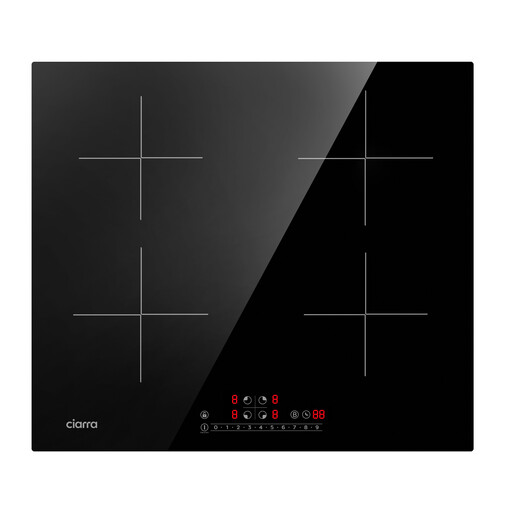
Ciarra four-zone built-in induction hob

Ciarra four-zone built-in induction hob

Consider its four zones if your gravy pan needs to share the hob with other dishes.

The title specifies touch controls, nine power levels and a booster function. Check your pans’ magnetic bases, the zone sizes and the installation instructions before ordering.

View on Joybuy
Belling IHL773 BLK induction hob

Belling IHL773 BLK 77 cm induction hob

Its four zones and flexible bridge are worth assessing if you cook gravy alongside other pans or use larger cookware.

The title specifies touch controls and boost mode. Check the 77 cm width against your worktop, and confirm pan fit and electrical installation requirements.

View on Joybuy
Bosch PIE631BB5E Series 4 induction hob

Bosch PIE631BB5E Series 4 60 cm induction hob

Consider this model if you want induction for adjusting the heat while cooking gravy.

Its title specifies a hardwired connection. Check your gravy pan against the model’s zone guidance and confirm that its installation requirements suit your kitchen.

View on Joybuy
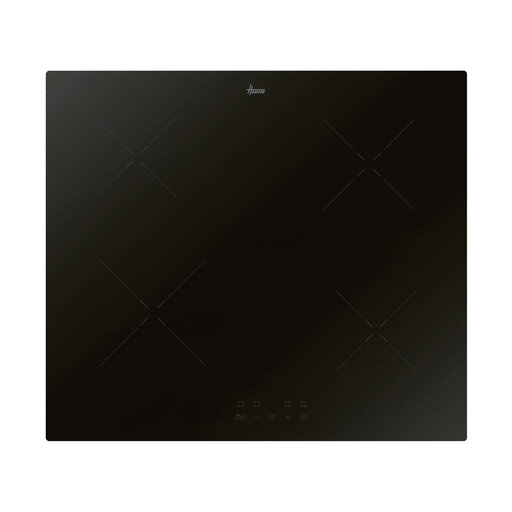
Hoover HI642BCB four-zone induction hob

Hoover HI642BCB 60 cm four-zone induction hob

Its four-zone layout is relevant when a gravy saucepan shares the hob with other family-meal pans.

Check the zone dimensions against those pans and confirm the model’s electrical connection requirements before installation.

View on Joybuy
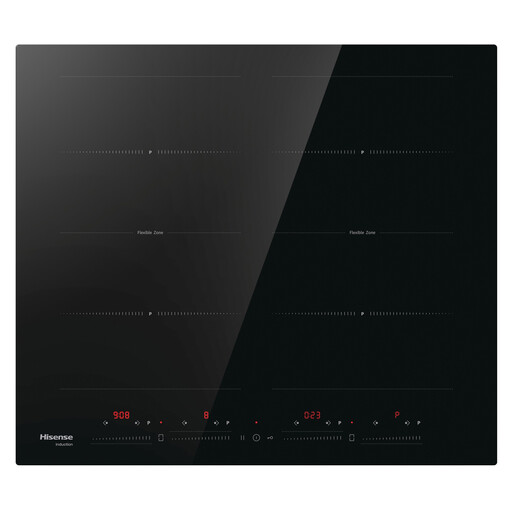
Hisense HI6442BSCE induction hob with Area Flex

Hisense HI6442BSCE 60 cm induction hob with Area Flex

Consider the Area Flex layout if cookware used for the family meal needs more flexible positioning.

Check that your pans fit the model’s cooking areas and confirm its installation dimensions and electrical requirements for your kitchen.

View on Joybuy

Frequently asked questions

Is induction or ceramic more suitable for onion gravy?

Induction suits cooks who want responsive changes between softening onions and reducing gravy, provided their saucepan has a suitable magnetic base. Ceramic remains an option when keeping non-magnetic cookware matters more; its glass surface heats up and stays hot after use.

Will my existing gravy saucepan work on an induction hob?

It may work if its base is magnetic and fits the chosen hob’s zone requirements. AEG UK recommends checking for a magnetic base; a magnet test is a useful starting point, but also check the pan’s flatness and base diameter against the model instructions.

How do I choose a zone layout for a family meal?

Compare the zone positions and permitted pan sizes with all the pans you normally use at once, rather than choosing by overall hob width alone. If you use larger cookware, check whether a particular model’s flexible or combined zone accommodates it.

Should I check the electrical installation before buying?

Yes: compare the exact hob’s installation instructions and electrical requirements with your kitchen’s existing arrangement before ordering. Ask a qualified electrician where circuit suitability or installation is uncertain. GOV.UK’s Approved Document P concerns electrical safety in dwellings in England; do not assume the same installation process applies throughout the UK.

When can I clean a glass electric hob?

Let the surface cool and follow the cleaning instructions for your particular hob. On a ceramic hob, the glass remains hot after cooking; pay attention to its residual-heat indication rather than assuming switch-off means the surface is cool.