Responsive sauce cooks
If you regularly move between a lively bubble and a gentle simmer, induction’s pan-led heating may suit your cooking. Bosch UK lists power-boost functions on particular models, but controls and features vary by hob.


Choose induction if responsive heat changes matter most and your pasta pot and saucepans have suitable magnetic bases. Choose ceramic if keeping non-induction cookware is the priority, while allowing for a cooking zone that stays hot after use. Whichever you choose, check the exact worktop cut-out and electrical connection before ordering.
If you regularly move between a lively bubble and a gentle simmer, induction’s pan-led heating may suit your cooking. Bosch UK lists power-boost functions on particular models, but controls and features vary by hob.
If you want to keep saucepans that are not suitable for induction, a ceramic hob avoids induction’s magnetic-base requirement. As Which? explains, ceramic elements heat the cooking zone beneath the glass.
If you are replacing a fitted hob, check the worktop opening, clearances and electrical connection before choosing extra features. General guidance notes that the visible hob top is wider than the section fitted into the worktop.
Choose it when: Responsive changes from boiling to simmering matter and your regular pans are induction-compatible.
Allow for: Pan-base compatibility and an electrical connection that depends on the exact model.
Choose it when: Keeping flat-based cookware without an induction-specific magnetic base matters more.
Allow for: The cooking zone itself heating up and remaining hot after the pan is removed.
| Concern | What to check | Who this matters to |
|---|---|---|
| Heat control | Try the exact model’s power controls; check whether it lists a boost function if that matters to you. | If I need to turn a bubbling sauce down while heating pasta water, easy power changes come first. Around 33% of consumers put heat control first. |
| Existing pans | For induction, test each regular pan with a magnet and compare its base with the intended zone size. | I want to keep using my pasta pot and saucepans rather than let pan compatibility dictate the hob. Around 27% of consumers prioritise keeping their cookware. |
| Kitchen fit | Compare the installation drawing with your cut-out, clearances and electrical supply; confirm the connection type. | A new hob has to fit my existing worktop and electrical setup before its cooking features matter. For around 27% of consumers, installation fit is the primary concern. |
| Pan layout | Compare zone positions with your pot and saucepan bases; consider a flexible zone if you use larger cookware. | When I use a pasta pot alongside a large or unusually shaped pan, I need space for both. Around 13% of consumers put adaptable pan layout first. |
Bosch UK identifies its PUG61RAA5B as Plug & Play, while AEG specifies a hardwired connection for its HK614000CB ceramic hob. Connection requirements depend on the model.
Check the chosen hob’s installation instructions and electrical requirements before ordering; arrange a qualified installer where required.
NEFF UK says induction cookware needs a base attracted by a magnet. A base that is poorly matched to the zone may also affect detection.
Test the pasta pot and every frequently used saucepan, then compare their bases with the hob’s zone guidance.
Pans that do not meet those requirements may need replacing for induction cooking.
The part fitted into the worktop is smaller than the visible top, as general hob measurement guidance explains. A nominal width does not establish that a replacement will fit.
Use the exact model’s installation drawing to check the cut-out, required clearances and ventilation space.
A mismatch may mean altering the worktop or installation space.
Which? explains that ceramic elements heat the cooking zone beneath the glass. AEG specifies residual-heat indicators on its HK614000CB model.
Check the indicator on your chosen hob and keep hands and flammable items away from recently used zones.
Bosch UK lists standard, Plug & Play and flexible-zone induction models relevant to different kitchen setups.
AEG’s HK614000CB is a ceramic option for buyers comparing zone sizes and residual-heat indication.
NEFF UK provides practical guidance for checking pans before choosing induction.
These induction models cover fixed four-zone layouts and flexible-zone options for cooking sauce alongside pasta. Check your pans, worktop opening and electrical setup against the model you choose; the ceramic route remains worth considering if keeping non-induction cookware decides the purchase.
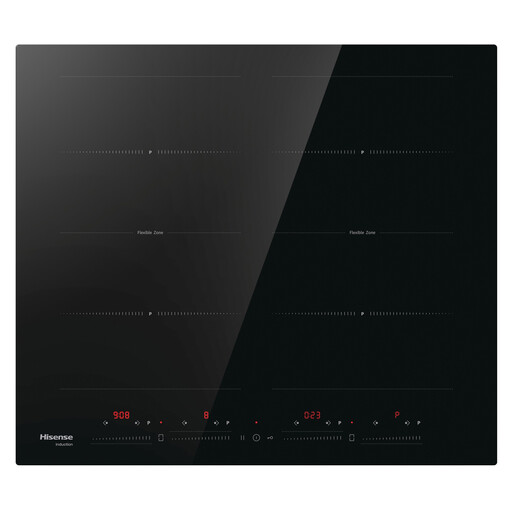 No image available
Consider this model if you use larger cookware as well as a pasta pot. Its name identifies a 60cm induction hob with Area Flex; check the installation drawing, electrical connection and pan compatibility before choosing it.
 No image available
Consider this induction model for a fitted kitchen where a hardwired hob is appropriate. Check that your pans are suitable and confirm the exact cut-out and electrical requirements before ordering.
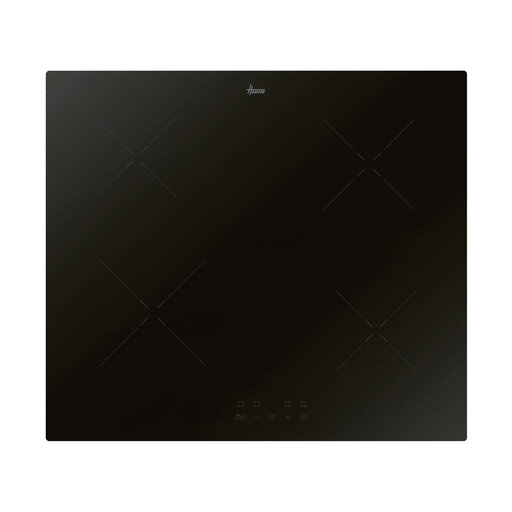 No image available
The four-zone layout is relevant if you cook pasta and sauce in separate pans. Check the zone positions against your pan bases, and confirm the cut-out and electrical connection for your kitchen.
 No image available
Consider the flexible bridge if you regularly use larger cookware alongside your pasta pot. The stated 77cm width makes the exact worktop cut-out particularly important to check; confirm the electrical requirements and pan compatibility too.
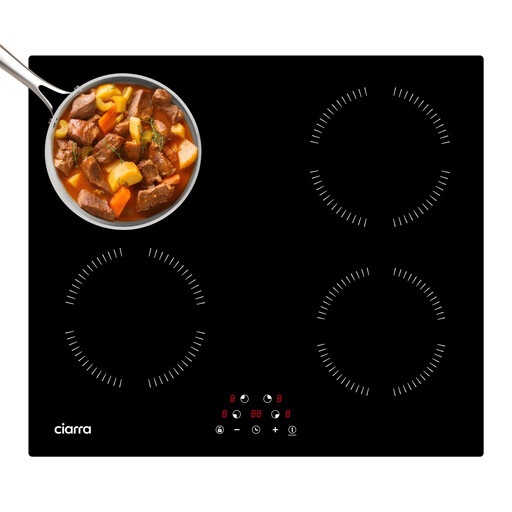 No image available
This built-in four-zone model is relevant to cooking pasta and sauce at the same time. Compare its zone layout with your pans and check the installation drawing and electrical connection before buying.
Induction suits cooks who prioritise responsive changes in heat and have compatible pans; ceramic is a practical choice when keeping non-induction cookware matters more. Which? explains that induction heats the pan itself, whereas ceramic elements heat the zone beneath the glass. Check the controls and installation requirements of the exact hob as well.
It needs a base that is attracted by a magnet. NEFF UK advises checking induction cookware against the cooking zone too, so test the pot and compare its base diameter with the guidance for the model you want.
Check the exact appliance instructions before making installation plans. AEG advises that a qualified person install built-in hobs and cookers; connection requirements differ by model, so do not assume that a built-in hob can use an ordinary socket.
Measure the existing worktop cut-out, then compare it with the new hob’s installation drawing and required clearances. General guidance points out that the visible top is wider than the part fitted into the worktop, so matching the advertised width alone is not enough.
Ceramic cooking does not impose induction’s magnetic-base requirement. Check that your existing pans have suitable flat bases and fit the zones on the ceramic model you choose.