Frequent porridge cooks
If you regularly move a pan from boiling to a low simmer, responsive heat adjustment or a documented boil-to-simmer feature may be useful. You still need to stir and check the pan.


For regular oat porridge, consider induction if your saucepan has a suitable magnetic base and the hob fits your kitchen’s electrical supply and worktop: direct heating in the pan makes a manual change from boiling to simmering responsive. A ceramic electric hob is a practical alternative if keeping non-induction cookware matters more. With either type, check the exact model’s low-heat controls, installation instructions and fit; a boil-to-simmer feature is model-specific, not a reason to leave porridge unattended.
If you regularly move a pan from boiling to a low simmer, responsive heat adjustment or a documented boil-to-simmer feature may be useful. You still need to stir and check the pan.
Before choosing controls or a finish, compare the new hob’s cut-out and clearance requirements with the existing worktop and check its electrical connection and loading.
Check the base of the pan you use for porridge before choosing induction. If it is not induction-compatible, a suitable ceramic electric hob lets you avoid induction’s magnetic-base requirement.
Start with the saucepan and whether a built-in hob can be installed, then compare how the models let you reduce heat and manage the pan during everyday cooking.
| Concern | What to check | Who this matters to |
|---|---|---|
| Boil-to-simmer control | Compare low-power settings, timers and any boil-to-simmer function documented for the exact model. | If I cook porridge often, I want to lower the heat promptly rather than keep watching for a boil-over; around 27% of consumers put simmer control first. |
| Cookware compatibility | Check the actual saucepan’s induction marking or magnetic base and its fit on the intended zone. | Keeping the saucepan I already use matters more to me than changing hob type; roughly 20% of consumers prioritise cookware compatibility. |
| Worktop and electrical fit | Match the installation drawing’s cut-out and clearance requirements to your kitchen; check connection type and electrical loading. | When replacing a built-in hob, I need to know it can be fitted and connected before comparing cooking features. About 33% of consumers put installation fit first. |
| Everyday controls | Check whether the controls suit you and whether the model lists a timer, control lock and residual-heat indication. | For a breakfast task I repeat, I want controls I can use easily while stirring and a clear warning about a hot surface; around 20% of consumers prioritise everyday controls. |
Induction needs a suitable ferromagnetic base; a pan made from another material will not work unless it has an appropriate induction base.
Check the pan’s induction marking or test its base with a magnet, then check that its flat base suits the cooking zone.
You may need a different saucepan if the current one is incompatible.
The appliance’s overall dimensions and the opening it needs are different measurements. AEG specifies a 590 × 520 mm overall size but a 560 × 490 mm cut-out for its IAX64411CB.
Measure the existing opening and compare it with the exact model’s installation drawing, including the space beneath the worktop.
A mismatched opening may require worktop alterations.
Connection arrangements differ. AEG says most induction hobs need hardwiring, while some models are specifically designated Plug & Play.
Check the selected model’s connection instructions and total electrical loading; arrange a qualified electrician’s assessment where required.
Electrical work or changes to the kitchen supply may be necessary.
Electrolux explains that, on some induction hobs, two zones on the same side share power, which can affect cooking when both are set high.
If you cook porridge alongside another dish, check the model manual’s zone-pairing and power-management instructions.
Its induction range includes models with boil-to-simmer assistance relevant to frequent porridge cooking.
Its induction range includes the PUG61RAA5B, for buyers considering manual heat control and a model designated Plug & Play.
Its ceramic hob information offers a reference for radiant electric controls when induction cookware compatibility is a concern.
Its induction models are relevant when flexible cooking zones matter alongside porridge preparation.
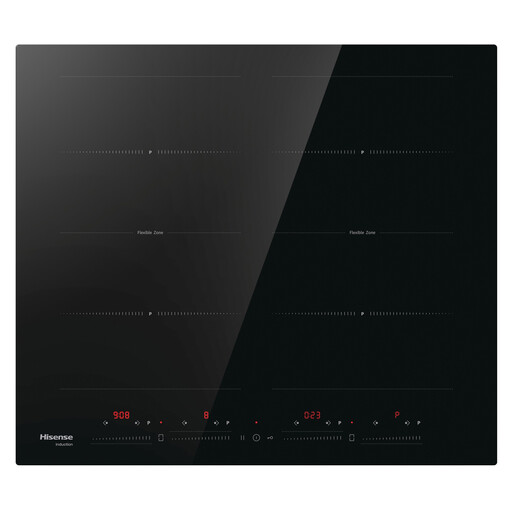
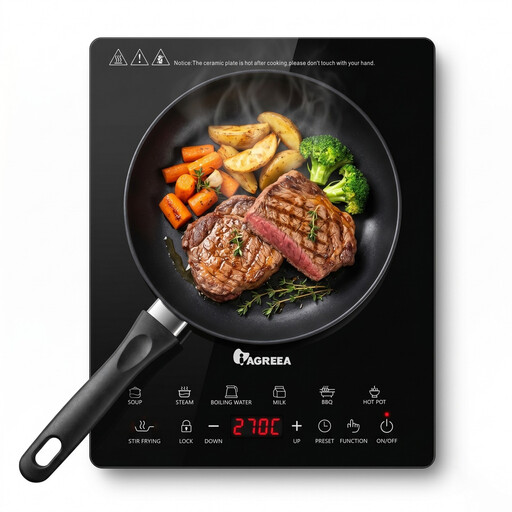
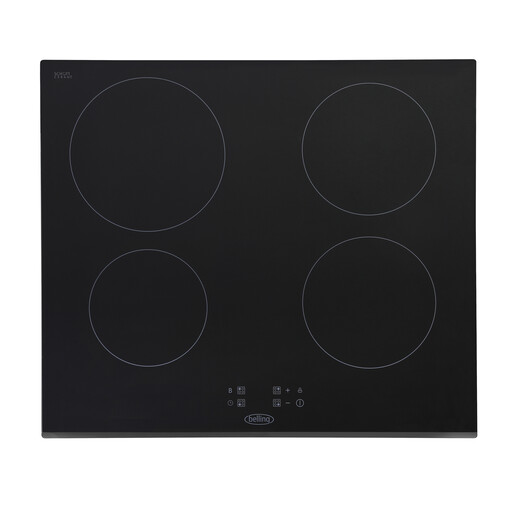
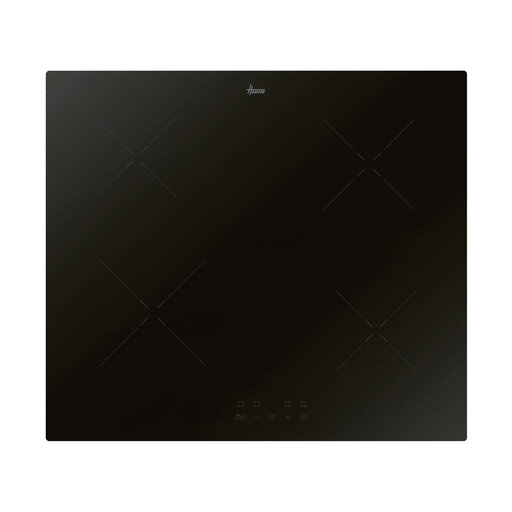
These induction options cover built-in hobs and one portable cooker for making porridge. Check saucepan compatibility for every option; for built-in models, establish worktop fit and electrical requirements before choosing.
 No image available
Consider this built-in option if you want to compare induction controls for regularly reducing the heat under porridge. Check that your saucepan is induction-compatible and confirm the required cut-out, connection and electrical loading against your kitchen.
 No image available
A portable option to consider if you do not need to replace a built-in hob. Its title specifies eight power levels, a 60–270°C temperature range and cookware sizes of 12–26 cm; check your pan and confirm that the plug and electrical supply suit your intended setup.
 No image available
Consider this built-in induction model if you are prepared to adjust the heat under porridge manually. The product title specifies a hardwired connection; check the cut-out, electrical supply and compatibility of your saucepan before ordering.
 No image available
A built-in induction option for a kitchen replacement where you plan to control the porridge simmer manually. Check its installation drawing and electrical requirements against your kitchen, as well as your saucepan’s induction compatibility.
 No image available
Consider this built-in model if you want an induction surface for porridge and other pans. Confirm that the porridge saucepan works with induction and compare the installation drawing and electrical requirements with your kitchen.
Induction is worth considering when your saucepan is compatible and you want responsive manual heat changes or a documented simmer feature on the exact model. Ceramic is a practical alternative when keeping a non-induction saucepan is the priority; compare low-power controls and timers either way.
It will need a suitable ferromagnetic base. Bosch identifies cast iron, enamelled steel and some specialist stainless steel cookware as examples; check the actual pan’s marking or magnetic base rather than judging it by appearance.
Only if the selected model’s instructions specify a suitable plug-in connection. AEG says most induction hobs need hardwiring; its IAX64411CB is hardwired only, while Bosch designates the PUG61RAA5B Plug & Play. Follow the instructions for the model you choose.
Some models share available power between paired zones. Electrolux explains that two zones on the same side of certain hobs use a common supply; consult your model’s manual if a second pan affects the setting you use for porridge.
Compare the exact model’s cut-out, depth, clearances, ventilation instructions, connection type and electrical loading with your kitchen. Arrange a qualified installer’s assessment where the installation instructions require one; do not rely on the hob’s advertised width to establish worktop fit.