Who is choosing the hob?

Holiday-let owners replacing a built-in hob

The replacement needs to fit the worktop and electrical arrangement and be straightforward for short-stay guests to use. For self-catering holiday homes in England, GOV.UK directs operators to electrical-safety guidance; the Home Office’s fire-safety guidance addresses small paying-guest accommodation.

Soup and one-pot cooks

A large saucepan or stockpot needs a suitable cooking zone and controls that make it practical to bring soup to the boil, then reduce the heat. Check the pan base against the zone layout; induction also requires a magnetic base.

Cottage hosts keeping existing cookware

If guests use a mixture of pans, check them before choosing induction. Bosch describes ceramic electric hobs as accommodating a broader range of cookware, while induction requires a pan with a magnetised base.

What matters when choosing?

Plug-in induction

Consider it when: A compact built-in hob suits the worktop and the exact model is specified for a suitable plug-in connection; Bosch describes its PUE611BB5B as Plug & Play.

Trade-off: Plug-in capability does not apply to induction hobs generally, and the soup pot still needs a magnetic base.

Hardwired induction with linked zones

Consider it when: A large pot or several pans regularly need more flexible cooking space.

Trade-off: Check the worktop and supply before committing: AEG specifies its TO84IB00FB bridge-zone hob as hardwired only, with a 750 × 490 mm cut-out and 7,200 W total loading.

Ceramic electric

Consider it when: Keeping existing pans, including non-magnetic ones, is the deciding factor.

Trade-off: The glass surface heats during cooking and retains heat afterwards, so guests need to heed residual-heat indications and the hob’s instructions.

Concern What to check Who this matters to
Electrical supply and fit Measure the cut-out and check the exact model’s connection method and total loading against the property’s installation. If the replacement cannot fit the worktop or use the available supply, cooking features are beside the point. Around 36% of consumers put installation and safe supply first.
Cookware and heat control Test the soup pot’s base for induction compatibility and check its size against the zone and the model’s heat controls. When I bring a stockpot to the boil and then lower it to a simmer, I need the pot and hob to work together. Around 29% of consumers make cookware and control their primary concern.
Guest use and cleaning Check the exact model for a control lock, shut-off behaviour and residual-heat indication; follow its cleaning instructions. Guests unfamiliar with the kitchen need clear controls, while the hob must be practical to clean between stays. Roughly 21% of consumers put guest use and upkeep first.
Large or multiple pans Measure the largest pan base and check whether the zone layout suits it and any pans used alongside it. If soup is often made in a large stockpot while another pan is in use, cramped pan placement becomes the deciding issue. Around 14% of consumers prioritise cooking space for larger or multiple pans.

Buying pitfalls

  • Assuming every induction hob is a plug-in replacement

    Connection and worktop requirements differ by model. Bosch describes the PUE611BB5B as Plug & Play, whereas AEG specifies the TO84IB00FB as hardwired only, with a 750 × 490 mm cut-out and 7,200 W total loading.

    Measure the existing opening and check the intended hob’s installation instructions and electrical requirements before ordering.

    A mismatch may mean electrical work or a worktop alteration.

  • Choosing induction before checking the soup pot

    Induction needs a pan with a magnetised base. A non-magnetic stockpot will not become suitable simply because the hob has a large cooking zone.

    Check the cookware intended for guests, particularly the largest soup pot. If keeping non-magnetic pans is essential, consider ceramic electric instead.

    Choosing induction may also mean replacing pans that guests would otherwise keep using.

  • Using an extension lead to solve a connection problem

    Electrical Safety First warns that overloaded extension leads and adaptors can overheat and cause fire.

    Do not use an extension lead as a workaround for a hob connection. Follow the exact model’s installation method and arrange suitable electrical work if the required supply is unavailable.

  • Choosing linked zones for a single ordinary saucepan

    Bridge and flex layouts can accommodate different pan arrangements, but they do not remove a wider hob’s worktop and connection requirements.

    Measure the stockpot base and consider how often another pan is used at the same time before choosing a linked-zone model.

Brands to consider

Bosch

A reference point for comparing induction with ceramic electric and for checking a specific compact plug-in model.

  • Bosch describes induction as heating a pan with a magnetised base directly and ceramic electric as accommodating a broader range of pans.
  • Bosch’s Plug & Play description applies to the PUE611BB5B; check the connection method of any other Bosch model separately.

NEFF

Relevant when pan placement and flexible induction zones matter in a cottage kitchen.

  • NEFF describes Flex Induction layouts for cookware of differing sizes.
  • Zone arrangements and cooking-assistance features vary by model; check the layout and controls of the hob under consideration.

AEG

A reference for wider built-in induction hobs with linked cooking zones.

  • AEG’s TO84IB00FB and NIK85M00AZ are examples with bridge functions for alternative pan arrangements.
  • Both cited models are hardwired-only examples with 7,200 W total loading and a 750 × 490 mm cut-out, making worktop and electrical fit important checks.

Joybuy hob options

These built-in induction and ceramic hobs offer choices for a cottage kitchen. Start with the cookware guests will use, then check each model’s dimensions and electrical installation requirements; none of the induction listings here should be treated as plug-in solely because a different model is.
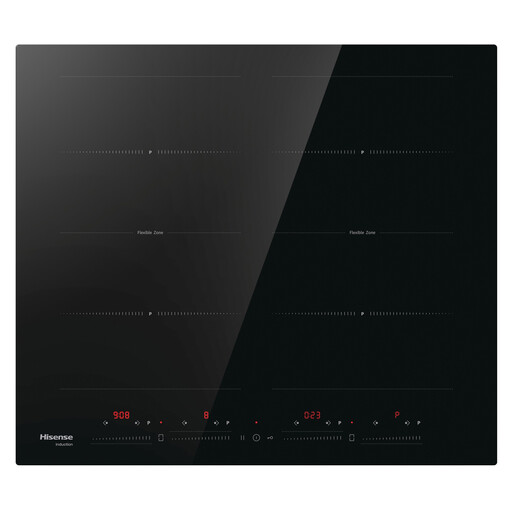
Hisense HI6442BSCE 60 cm induction hob with Area Flex

Hisense HI6442BSCE 60 cm induction hob with Area Flex

Consider this built-in induction hob if a 60 cm format suits the kitchen and the soup pot has a magnetic base.

Check whether the Area Flex layout accommodates the intended pan, and confirm the cut-out, connection method and electrical loading in the installation instructions.

View on Joybuy
Belling IHL773 BLK 77 cm four-zone induction hob

Belling IHL773 BLK 77 cm four-zone induction hob

Consider its flexible bridge if a large soup pot or several pans make zone layout a priority.

The title specifies touch controls and boost mode. Check the bridge layout against the pan bases, confirm that the cookware is magnetic, and check worktop and electrical fit before buying.

View on Joybuy
Bosch PIE631BB5E Series 4 60 cm hardwired induction hob

Bosch PIE631BB5E Series 4 60 cm hardwired induction hob

This is a 60 cm induction option for a cottage where a hardwired hob is appropriate and the soup pans have magnetic bases.

Confirm the required cut-out and electrical suitability for this exact model; do not apply the plug-in specification of Bosch’s different PUE611BB5B model to it.

View on Joybuy
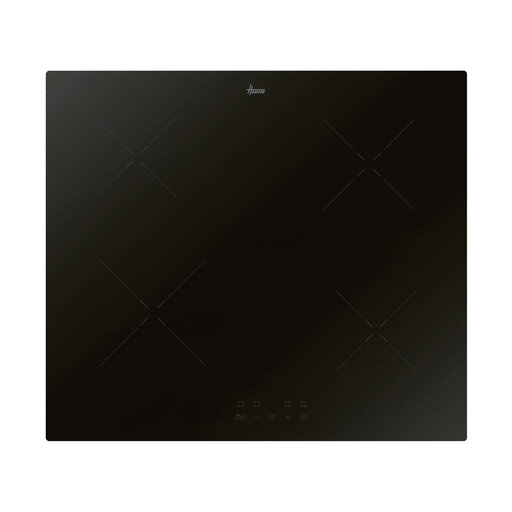
Hoover HI642BCB 60 cm four-zone induction hob

Hoover HI642BCB 60 cm four-zone induction hob

Consider this four-zone induction hob for a built-in kitchen using magnetic-base soup pans.

Check the cooking-zone sizes against the largest pot and confirm the model’s cut-out, connection method and electrical loading before replacing an existing hob.

View on Joybuy
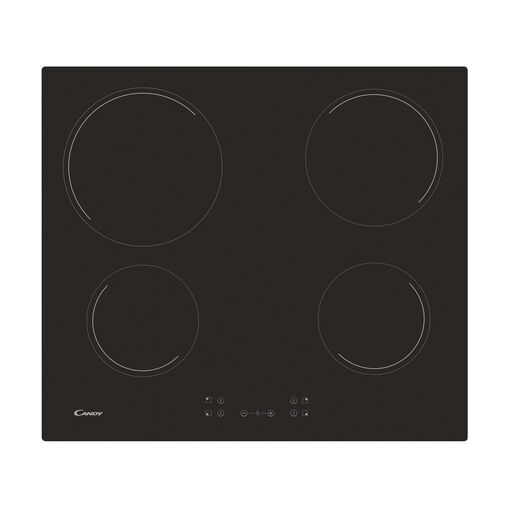
CANDY CH64CCB 59 cm ceramic hob

CANDY CH64CCB 59 cm ceramic hob

Consider ceramic electric when keeping existing pans, including non-magnetic soup pots, is the priority.

The product title describes a 59 cm hob. Confirm its exact dimensions, cut-out and electrical connection in the model documentation, and allow for the cooking surface to retain heat after use.

View on Joybuy

Frequently asked questions

Is induction or ceramic electric more suitable for pumpkin soup?

Choose induction if the soup pot has a magnetic base and the exact hob suits the cottage’s installation: it heats the pan directly when bringing soup to the boil and adjusting the heat. Choose ceramic electric if keeping non-magnetic pans is more important; its cooking surface heats up and retains heat afterwards.

Do all induction hobs plug into a socket?

No. Bosch describes its PUE611BB5B as Plug & Play, while AEG specifies the TO84IB00FB as hardwired only with 7,200 W total loading. Check the installation instructions for the exact model rather than judging by its width or by induction technology.

Can an extension lead solve a hob connection problem?

No: use the connection arrangement specified for the hob instead. Electrical Safety First warns that overloaded extension leads and adaptors can overheat and cause fire; arrange suitable electrical work if the required supply is unavailable.

What safety guidance applies to an England holiday let?

GOV.UK’s guidance for self-catering holiday homes in England directs operators to HSE electrical-safety guidance and applicable fire-safety guidance. The Home Office provides a guide for small paying-guest accommodation; the property’s size and layout affect which guidance is appropriate. For a cottage outside England, check the guidance applicable where that property is located.

How should guests clean a glass hob after making soup?

Let the surface cool and follow the installed model’s cleaning instructions. Induction heats a compatible pan directly, but the glass can still receive residual heat from it; spills on either type of hob need cleaning in the manner specified by its manufacturer.