Batch-soup cooks
If you use a medium or large saucepan, you may want to bring ingredients to the boil and then turn the heat down for a gentle simmer. Induction is an option if that saucepan is compatible.


Choose induction if quick heating and adjusting the heat for a gentle simmer matter most, provided your soup pan is induction-compatible. A radiant ceramic hob is worth considering if you want to keep a non-induction pan or need a particular expandable-zone layout. Either way, check the cooking zone against your largest pot and the exact hob’s installation requirements against your kitchen.
If you use a medium or large saucepan, you may want to bring ingredients to the boil and then turn the heat down for a gentle simmer. Induction is an option if that saucepan is compatible.
If you are replacing a built-in hob, the worktop opening, space beneath it, ventilation and electrical connection may decide which model you can install. Bosch UK advises checking the installation measurements for the exact model.
If your usual soup pan is not induction-compatible, a radiant ceramic hob lets you consider an electric hob without making induction compatibility the deciding factor. Check that the chosen zone suits the pan’s base.
Consider it when: You want direct heating of a compatible soup pan and readily adjustable heat for the move from boiling to simmering.
Trade-off: Your pan must work with induction, and the hob’s connection and ventilation requirements must suit the installation.
Consider it when: Keeping a non-induction soup pan or using a particular expandable radiant zone matters more.
Trade-off: Elements heat through the glass rather than heating the pan directly; the cooking surface itself heats and cools.
| Concern | What to check | Who this matters to |
|---|---|---|
| Boiling and simmering | Check the exact model’s heat settings and whether it has a boost function; plan to lower the setting once the pan reaches a boil. | I want to heat my soup pan and then keep its contents at a gentle simmer. Around 33% of consumers put that change in heat first. |
| Installation fit | Compare the model’s cut-out, clearances, ventilation and electrical connection requirements with your kitchen. | Replacing a built-in hob only makes sense for me if it fits the worktop and the planned connection. That is the main concern for around 27% of consumers. |
| Pot and zone size | Match your largest pot’s base to a cooking zone; consider bridge or expandable zones if your cookware needs them. | My largest soup pot needs a usable zone, and I may cook with other wide pans too. Around 20% of consumers prioritise that fit. |
| Cookware compatibility | Check your saucepan’s induction marking or its manufacturer’s guidance before choosing induction. | I would rather keep the saucepan I already use than choose a hob it cannot work on. Keeping existing cookware comes first for around 20% of consumers. |
An induction zone needs suitable cookware; the Beko UK induction-hob manual says the zone will not work without it.
Check the pan you use for soup before ordering. If it is unsuitable and you want to keep it, compare radiant ceramic models.
Choosing induction could mean replacing a pan you intended to keep.
A 60 cm label does not establish that the hob fits your worktop opening or the space and connection available beneath it. Bosch UK says installation measurements vary by model.
Use the exact installation drawing to check the cut-out, clearances, ventilation and connection before ordering.
A mismatch could require worktop or cabinet alterations.
A bridge or expandable zone addresses a cookware-layout need; it is not automatically useful for an ordinary soup saucepan. AEG UK describes a bridge function on its TO64IB00FB, while Bosch UK lists two-ring and roaster zones on its PKH811BB1D radiant hob.
Measure your largest pot’s base and think about whether you regularly use unusually wide or long cookware.
Boosters and safety functions vary by model. A feature list alone does not show that two hobs boil or simmer in the same way.
Check the specification of each exact model and use comparable independent tests if cooking-performance differences will decide your purchase.
Bosch UK lists both induction and radiant electric models relevant to this choice.
AEG UK’s 6000 Bridge induction model is relevant if you use cookware that needs a larger active cooking area.
Beko UK’s HII64401QT is an example of a 60 cm induction hob with touch controls.
NEFF Home UK describes selected induction models with flexible-zone and temperature-assistance features.
These Joybuy listings are induction hobs to consider if your soup saucepan is compatible. Compare their stated format with your pot and check each model’s installation instructions before ordering.
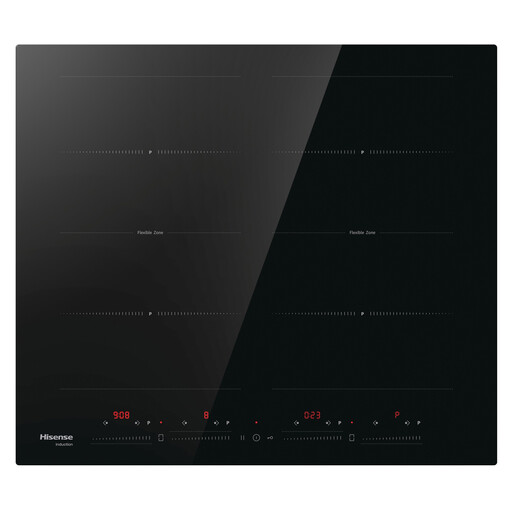 No image available
Consider this model if a flexible cooking area matters for your soup pot. Check the pot’s base against the zone layout, and confirm the cut-out, ventilation and electrical requirements in the model’s installation instructions.
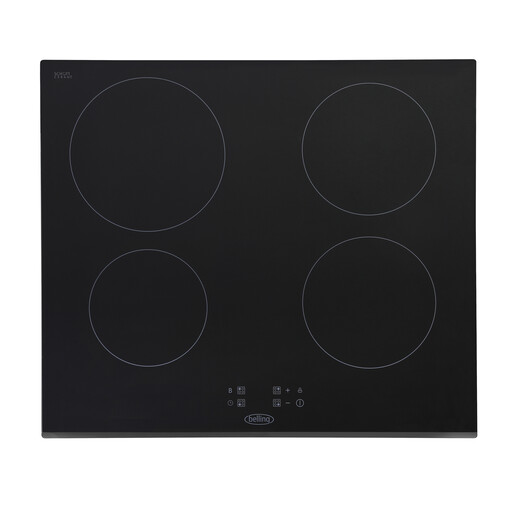 No image available
This is a 60 cm induction option for a compatible soup pan. Check the cooking-zone sizes and compare the exact installation instructions with your worktop and electrical provision.
 No image available
Consider this built-in model if its cooking zones fit your soup pan. The listing identifies it as hardwired; confirm the connection, cut-out and ventilation requirements for this exact model before ordering.
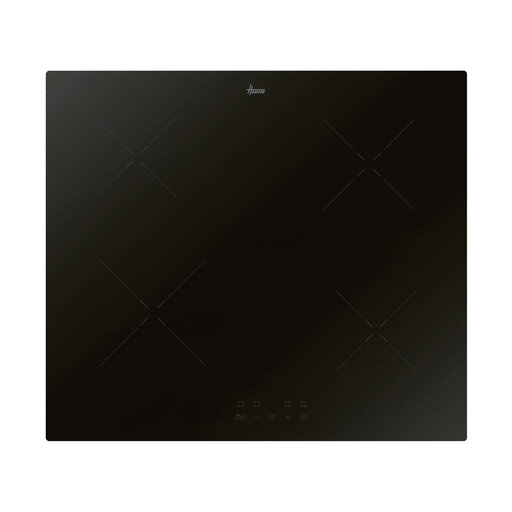 No image available
This four-zone model is an option if you also use other pans while making soup. Check that a zone suits your soup pot and confirm the model-specific worktop, ventilation and electrical requirements.
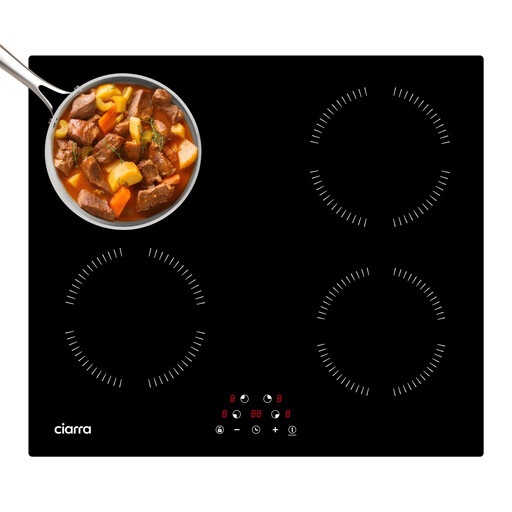 No image available
Consider this built-in hob if its zones accommodate your soup pan. Check the zone layout against the pan base and confirm the connection and ventilation requirements in the exact installation instructions.
Induction is worth considering if you want direct heating of a compatible saucepan and readily adjustable heat as you move from boiling to simmering. Radiant ceramic is a practical alternative if keeping a non-induction pan or choosing an expandable radiant zone matters more; check the fit and installation of either model.
It will work only if it is suitable for induction. The Beko UK induction-hob manual says an induction zone will not work without suitable cookware, so check the pan’s label or manufacturer guidance before choosing a hob.
Not necessarily: compare the pot’s base with the usable cooking zones rather than judging by overall hob width. A bridge, flexible or expandable zone becomes more relevant if your cookware needs that layout.
Check the exact model’s cut-out, space beneath the hob, ventilation and electrical connection requirements against your kitchen. Bosch UK says installation measurements vary by model, so nominal width alone is not enough to establish a fit.
Do not rely on a hob feature to manage the simmer for you: lower the heat when the pan reaches a boil. Beko UK lists an overflow safety system for its HII64401QT, but that is a feature of the specified model, not of every induction hob.