For a family meal that involves a stockpot of pumpkin soup and other dishes, a four-zone induction hob is a useful starting point if the pot is induction-compatible and the kitchen can accommodate the model's electrical connection. Consider a bridge zone for routinely oversized cookware; choose a ceramic hob if keeping non-magnetic pans matters more to you. In either case, check the pan fit, worktop opening and installation requirements before ordering.
Who needs which hob features?
Families cooking with a stockpot
If you make a large batch of soup while preparing accompaniments, look at the space your pot leaves for other pans, not just the advertised zone count. A bridge zone is worth considering when oversized cookware is a regular part of your cooking.
Cooks who want control from boil to simmer
Induction heats a compatible pan directly, whereas a ceramic hob heats through elements beneath its glass surface. If managing the change from heating to a gentle simmer matters to you, compare how the exact models perform rather than relying on the hob type alone.
Households keeping their existing cookware
Check whether your main soup pot has an induction-compatible magnetic base before choosing a hob. For a built-in replacement, the worktop opening and electrical arrangement also need to suit the exact model.
What should you check before buying?
Choose between induction and ceramic around the stockpot you intend to use; then check whether the hob leaves room for the rest of the meal and fits the kitchen.
Four-zone induction
Consider it when: Your magnetic stockpot fits a zone and you want separate space for other pans.
Allow for: Induction-compatible cookware and the connection requirements of the exact hob.
Bridge-zone induction
Consider it when: Wide cookware regularly needs a larger combined cooking area.
Allow for: The model's cut-out and electrical requirements; AEG specifies hardwired installation for its TO64IB00FB bridge hob.
Ceramic electric
Consider it when: Keeping a non-magnetic soup pot is more important than induction's direct pan heating.
Allow for: Model-to-model differences in heating and simmering; check the cookware and installation instructions.
| Concern |
What to check |
Who this matters to |
| Heating and simmer control |
Compare heating and simmering performance for the exact models; for induction, check that the stockpot is compatible. |
If I bring a full pot up to temperature and then need to keep thick soup at a gentle simmer, I want controls that suit both stages. Around 29% of consumers put heating and simmer control first. |
| Space for more than one pan |
Compare the stockpot base with the usable zone layout, including any bridge area, and check what space remains for other pans. |
When soup occupies my largest zone, I still need room to cook the rest of the family meal. For around 24% of consumers, usable pan space is the primary concern. |
| Existing cookware |
Test the stockpot base with a magnet before choosing induction; for ceramic, follow the hob maker's cookware guidance. |
I would rather keep using my soup pot than discover after delivery that it cannot work with the new hob. Keeping existing cookware usable comes first for around 24% of consumers. |
| Fit and electrical connection |
Match the worktop cut-out and the model's connection type and electrical loading to the kitchen. |
If I am replacing a built-in hob, the opening and available electrical arrangement determine which models I can install. Around 23% of consumers place installation fit first. |
Mistakes that can complicate the choice
-
Choosing induction before checking the stockpot
A non-magnetic pot will not work as intended on induction, even if the hob otherwise suits the meal you cook.
Test the base with a magnet and consult the cookware maker's guidance, particularly if the base has several layers.
Replacing the stockpot may become necessary if you want to use induction and the existing one is incompatible.
-
Measuring only the visible hob width
The opening required beneath a built-in hob is a separate measurement. AEG specifies a 560 × 490 mm cut-out for its 60 cm TO64IB00FB bridge model and an 880 × 490 mm opening for its 90 cm KIK95I00FB.
Measure the existing opening and check the exact installation drawing, including clearance below the worktop, before ordering.
An unsuitable opening can mean worktop alteration or prevent the planned installation.
-
Assuming every electric hob uses the same connection
Bosch describes its PUE611BB5B as Plug & Play, while AEG specifies hardwired installation and 7,200 W loading for its TO64IB00FB. The Bosch connection description does not establish that a particular socket or circuit is suitable.
Check the exact model's instructions and electrical loading against the kitchen's arrangement. Electrical Safety First advises reviewing appliance power requirements to avoid overloading wiring.
-
Expecting a portable single-zone hob to replace four zones
A single portable induction cooker can provide an additional cooking position, but it cannot cook soup and several other hob dishes simultaneously on separate zones.
Choose one for this meal only if a single zone is enough or another appliance will handle the remaining cooking.
Relevant brands to consider
These examples show how zone layout and installation requirements differ by model; a brand name alone does not establish that a hob will suit your stockpot or kitchen.
Bosch
A reference point for a conventional four-zone induction layout for family cooking.
- Bosch lists four zones and a 592 mm width for the PUE611BB5B and describes that model as Plug & Play.
- Check cookware and the existing electrical arrangement; the PUE611BB5B's features and connection description do not apply to every Bosch hob.
AEG
Relevant when a bridge area for larger cookware is part of the decision.
- AEG describes a bridge function on the four-zone TO64IB00FB that combines two cooking zones.
- That 60 cm model is hardwired and specifies 7,200 W loading; AEG's wider KIK95I00FB also needs a substantially wider worktop opening.
Siemens
Relevant when comparing induction hob widths and layouts for cookware of different sizes.
- Siemens describes induction models in 60 cm, 80 cm and 90 cm widths and a flexInduction arrangement that can link zones on applicable models.
- Zone arrangements vary by model. Siemens also cautions that rough pan bases and abrasive cleaners can leave fine scratches on its standard ceramic glass surface.
Joybuy induction hob options
These built-in induction hobs cover flexible-area and standard four-zone choices for cooking soup alongside other dishes. Check your stockpot and the installation instructions for the specific model; these products are not ceramic-hob alternatives.
 No image available
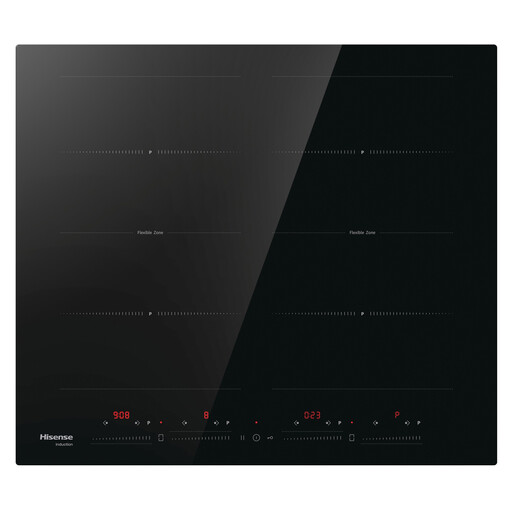
Hisense HI6442BSCE 60 cm induction hob with Area Flex
Consider this Area Flex model if you regularly use larger cookware while preparing a family meal.
Check that your stockpot is induction-compatible and compare the installation drawing and electrical requirements with your kitchen before buying.
Joybuy
 No image available
Belling IHL773 BLK 77 cm four-zone induction hob with flexible bridge
The flexible bridge makes this a model to assess if a wide stockpot is a regular part of your cooking.
Its stated width is 77 cm, so check the required worktop opening, the pot's fit on the bridge area and the electrical installation.
Joybuy
 No image available
Bosch PIE631BB5E Series 4 60 cm induction hob, hardwired
Consider this built-in induction model if a conventional layout suits your stockpot and accompanying pans.
Its product name specifies hardwired connection. Check the worktop opening, electrical requirements and induction compatibility of your cookware; do not confuse this PIE631BB5E with the differently specified Bosch PUE611BB5B.
Joybuy
 No image available
Hoover HI642BCB 60 cm four-zone induction hob
Four cooking zones make this a model to consider when the soup pot and other pans need separate positions.
Check the zone layout against your pans, as well as the installation instructions and your stockpot's induction compatibility.
Joybuy
 No image available
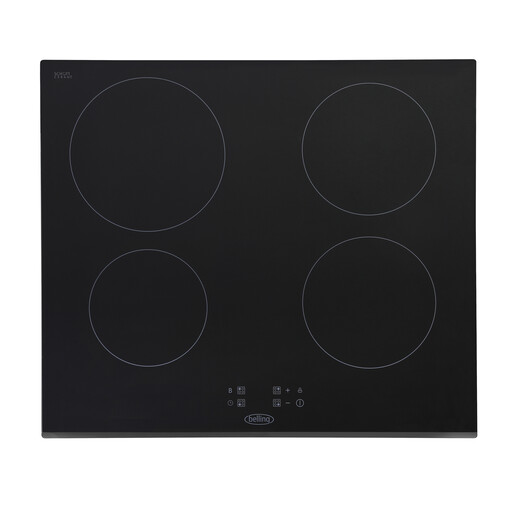
Belling ComfortCook IHT603 60 cm induction hob
Consider this built-in induction hob if its pan layout gives your soup pot and side dishes the space they need.
Confirm the cut-out and electrical requirements for the IHT603, and use an induction-compatible stockpot.
Joybuy
Common questions
Can I use my existing soup pot on an induction hob?
You can use it if its base is induction-compatible. Test the base with a magnet and check the cookware maker's guidance, especially for a layered base; appearance alone does not establish compatibility.
Is induction or ceramic more suitable for pumpkin soup?
Induction is worth considering when you have a compatible stockpot and want direct pan heating as you move from heating the soup to simmering it. Ceramic may be more practical if keeping non-magnetic cookware is the priority. Compare the heating and simmering performance of the exact models rather than assuming every hob of one type behaves alike.
Will a new electric hob plug into my existing socket?
Not necessarily: connection requirements depend on the model and the kitchen's electrical arrangement. Bosch describes the PUE611BB5B as Plug & Play, while AEG specifies hardwired installation and 7,200 W loading for the TO64IB00FB. Check the instructions for the model you are buying and have the circuit assessed where necessary.
Does a child lock make a hob safe to leave unattended?
No. A child lock can help prevent accidental changes to the controls but does not replace supervision while cooking. Bosch and AEG list child-lock functions for the PUE611BB5B and TO64IB00FB respectively; check the feature on the exact model you choose.


