Choose induction if your tagine is explicitly approved for it and you want responsive heat control when cooking the ingredients. Choose a radiant ceramic electric hob if your tagine is approved for electric heat but not induction. Whichever route you take, check the tagine base against the cooking zone, make sure the controls suit a gentle simmer, and confirm that the hob fits your worktop and electrical setup.
Who should check what?
Tagine owners checking induction compatibility
If you already own a tagine, its exact model is the starting point. Le Creuset describes a cast-iron-base tagine suitable for induction, while Emile Henry says its conventional Flame ceramic tagine is not.
Cooks balancing preparation and a gentle simmer
If you prepare onion, garlic and spices before a long, covered cook, look beyond a hob’s boost feature to its lower power settings. Follow the vessel maker’s heat guidance: Le Creuset advises starting its tagine on low heat and keeping the temperature gentle.
Kitchen upgraders replacing a built-in hob
If the worktop opening and electrical connection are already in place, compare them with the exact model’s installation drawing before choosing a zone layout. A plug-in induction model and a hardwired hob need different installation checks.
What matters when choosing a hob?
Decide which heat source your tagine can use before comparing cooking zones or controls. Then check whether the chosen hob will fit and connect in your kitchen.
Induction
Choose it when: Your exact tagine is approved for induction and you want to adjust heat promptly while preparing ingredients.
Trade-off: A tagine approved for conventional electric heat is not necessarily induction-compatible; wider bases also need a suitable zone layout.
Radiant ceramic electric
Choose it when: Your tagine is approved for electric heat but not induction, as Emile Henry states for its Flame ceramic model.
Trade-off: The cooking zone heats the glass rather than generating heat in the pan as induction does. Check the controls and follow your tagine’s guidance when moving to a low simmer.
| Concern |
What to check |
Who this matters to |
| Tagine compatibility |
Check the exact vessel maker’s approved heat sources; do not infer induction compatibility from ceramic construction. |
I want to keep using my tagine without finding that it cannot heat on the new hob. Around 31% of consumers put cookware compatibility first. |
| Gentle-simmer control |
Check the model’s power controls and manual for lower settings; do not treat boost as a measure of simmer control. |
After preparing the ingredients, I need to hold a gentle, covered cook rather than choose a hob for its initial heating feature alone. Controllable heat is the primary concern for around 31% of consumers. |
| Worktop and electrics |
Compare the cut-out and installation drawing with your worktop, then check the connection type and electrical load. |
A replacement needs to fit my existing kitchen and have a suitable electrical connection. Around 23% of consumers prioritise installation and fit. |
| Base and pan space |
Measure the tagine base against the stated zones or bridge layout, allowing room for another pan if needed. |
When I cook a larger batch or prepare a side dish, I need the tagine and other pan to sit where they can be used. Space for a larger vessel or multiple pans comes first for around 15% of consumers. |
Buying pitfalls
-
Assuming every ceramic tagine works on induction
Ceramic describes the vessel, not its hob compatibility. Emile Henry says its Flame ceramic tagine is unsuitable for induction but describes its separate Delight range as induction-compatible.
Check the exact tagine model before choosing induction. If it is approved for electric heat but not induction, consider a radiant ceramic hob or an induction-compatible vessel.
Changing to induction may mean replacing a tagine you already own.
-
Choosing boost power instead of low-heat control
A boost feature does not establish how a hob handles a long, gentle cook. Le Creuset advises beginning its tagine on low heat and maintaining a gentle temperature.
Read the exact hob’s control guidance and the vessel maker’s heat instructions. Use any faster heating setting only where the cookware instructions permit it.
-
Ordering before checking the electrical connection
Connection requirements differ by model: AEG specifies the OIO64B00IB as hardwired with a 7,200 W total load, while the Joybuy listing for Bosch PUG61RAA5B identifies a supplied 13 A plug and a 3.0 kW maximum connected load.
Compare the installation sheet with your worktop and existing circuit. Ask a qualified installer to assess a hardwired connection or any uncertainty about electrical capacity.
A worktop alteration or electrical work can add time before the hob can be used.
-
Counting zones without measuring the tagine base
Four zones do not tell you whether a wide tagine base fits a usable cooking area. A bridge or flexible zone helps only when its layout suits the vessel.
Measure the base rather than the lid, compare it with the exact model’s zone diagram, and check the space left for any side pan.
Brands to consider for these hob types
Bosch
Bosch has model-specific examples across standard induction, plug-in induction and radiant ceramic electric hobs.
- Bosch identifies PowerBoost and TouchSelect on the PIE631BB5E induction model and describes the PKE61RAA8B as a four-zone radiant cooktop.
- Check the connection for the exact model: the plug-in arrangement listed for PUG61RAA5B does not apply to every Bosch induction hob.
AEG
The OIO64B00IB is a reference point for cooks considering a bridge layout for a wider induction-compatible vessel.
- AEG states that its Bridge function combines two zones and specifies two 210 mm zones on the left of this model.
- The OIO64B00IB is specified as hardwired. Its bridge layout still needs to match the tagine base, and the vessel must be induction-compatible.
NEFF
NEFF’s Flex Induction range is relevant if pan placement and cookware size are important to your layout choice.
- NEFF describes flexible areas intended to accommodate cookware of different sizes; check the zone diagram for the particular hob.
- Flexible-zone features vary by model and do not remove the need for induction-compatible cookware or a suitable electrical connection.
Joybuy products for these hob routes
These models include induction hobs for confirmed induction-compatible tagines and a ceramic electric option for a vessel approved for that heat source. Compare the tagine base, controls and installation requirements for each model before choosing.
 No image available
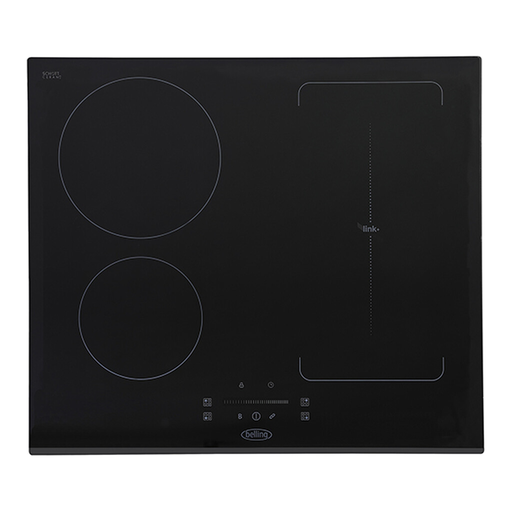
Belling IHL773 BLK 77 cm induction hob
Consider this model if your tagine is induction-compatible and you are looking for a flexible bridge layout. Its name specifies four cooking zones, touch controls and boost mode; compare the tagine base with the bridge-zone diagram, and check that the worktop and electrical connection suit the hob.
View on Joybuy
 No image available
Belling ComfortCook IHL603 60 cm induction hob
This is an induction option for a tagine whose maker confirms induction compatibility. If you need room for a wide base, compare its cooking-zone layout with the vessel; also confirm the worktop fit and electrical connection before ordering.
View on Joybuy
 No image available
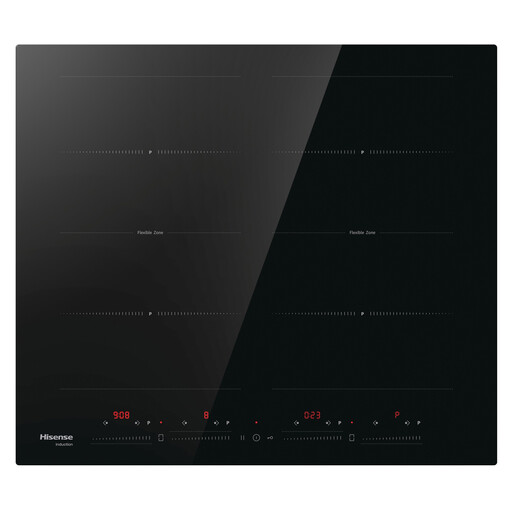
Hisense HI6442BSCE 60 cm induction hob with Area Flex
Consider its Area Flex layout if your induction-compatible tagine has a wider base. Check that base against the exact zone diagram, and use the model’s installation instructions to confirm the cut-out and electrical requirements.
View on Joybuy
 No image available
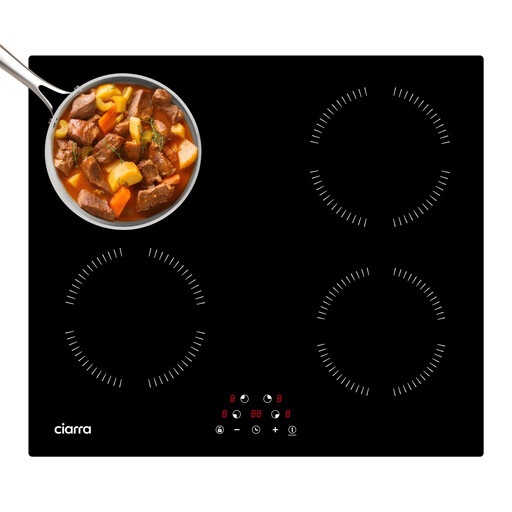
Ciarra 60 cm four-zone built-in induction hob
This four-zone option is worth checking if your tagine is induction-compatible and fits a standard cooking zone. Match the vessel’s base to the model’s zone diagram, then confirm the cut-out and electrical connection for your kitchen.
View on Joybuy
 No image available
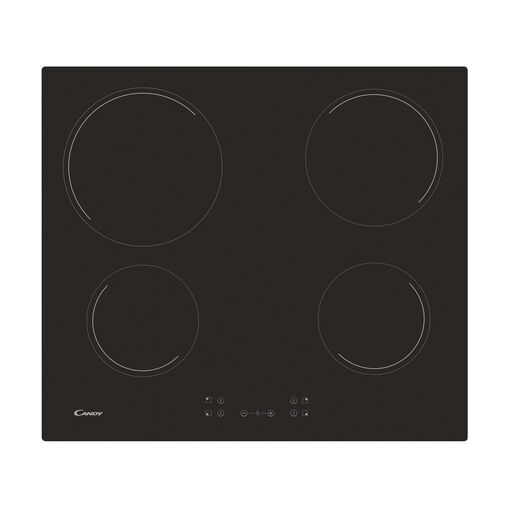
CANDY CH64CCB 59 cm ceramic hob
Consider this ceramic electric route if your exact tagine is approved for electric heat but not induction. Check the controls for the low settings you need, and confirm the model’s dimensions and electrical requirements against your kitchen.
View on Joybuy
Frequently asked questions
Can I use any tagine on an induction hob?
No: check the exact tagine model before choosing induction. Le Creuset describes its cast-iron-base tagine as suitable for induction, whereas Emile Henry says its conventional Flame ceramic tagine is not; Emile Henry describes its separate Delight range as induction-compatible.
Is a ceramic electric hob suitable for a chickpea tagine?
It can be if the tagine maker approves the vessel for electric heat, even when it is not suitable for induction. Emile Henry gives those conditions for its Flame ceramic tagine. Check the hob’s lower power controls and follow the vessel’s instructions for a gentle cook.
Do I need a bridge zone for a tagine?
Not if the tagine base fits a standard cooking zone. For a wider base, compare its measured diameter with the exact hob’s zone diagram; AEG states that the Bridge function on its OIO64B00IB combines two zones, but that does not establish a fit for every vessel.
Can I replace a built-in electric hob myself?
Check the new hob’s connection requirements and your existing installation before deciding who should fit it. Electrical Safety First advises checking appliance power requirements and consulting a qualified electrician if unsure. Requirements for electrical installation work differ across UK nations, so ask a competent local installer about the work needed for your kitchen.


