What matters when choosing?
Start with the pans and cooking space you need, then check heat controls and installation against the exact model. A four-zone label alone will not tell you whether your preserving pan leaves room for dinner.
Standard four-zone induction
Consider it when: Your chutney pan fits one zone and you want separate zones for ordinary family-meal pans.
Allow for: Induction-compatible cookware; a standard layout may crowd an unusually wide pan.
Bridge or flexible-zone induction
Consider it when: A wide or oval preserving pan needs a cooking area that can combine or adapt zones.
Allow for: The stated flexible-zone function does not, by itself, confirm that your particular pan fits.
Four-zone ceramic
Consider it when: Keeping cookware that may not work on induction takes priority.
Allow for: The glass is heated by elements beneath it and can remain hot after cooking; Which? also reports lower energy efficiency than induction in its hob testing.
| Concern |
What to check |
Who this matters to |
| Controlled simmering |
Try the model’s power-selection layout and check for a timer if you want a reminder during a long reduction. |
If I am stirring a thickening chutney while dinner cooks, I need to lower the heat promptly and keep track of the pan; around 40% of consumers put controlled simmering first. |
| Room for other pans |
Compare your preserving pan’s base with the zone diagram and the space left for other pans. Check any claimed bridge or flexible-zone function. |
I need space for chutney and the rest of the meal at the same time, without a wide pan crowding the next zone; roughly 30% of consumers prioritise usable multi-pan space. |
| Keeping cookware |
Check the pans you intend to keep for induction compatibility; on ceramic models, compare zone sizes and residual-heat features. |
My existing pans are staying, so their fit with the new hob matters more to me than changing cooking technology; around 20% of consumers make cookware continuity their primary concern. |
| Installation fit |
Check the exact cut-out, connection method and rated load against the kitchen and electrical supply. |
Before choosing cooking features, I need to know the hob can be fitted and connected in my kitchen; approximately 10% of consumers put installation suitability first. |
Joybuy induction hob options
These induction hobs cover both flexible-zone and standard four-zone layouts for making chutney alongside a family meal. Compare each one with your preserving pan, compatible cookware and installation plans; the ceramic route discussed above remains a separate choice.
 No image available
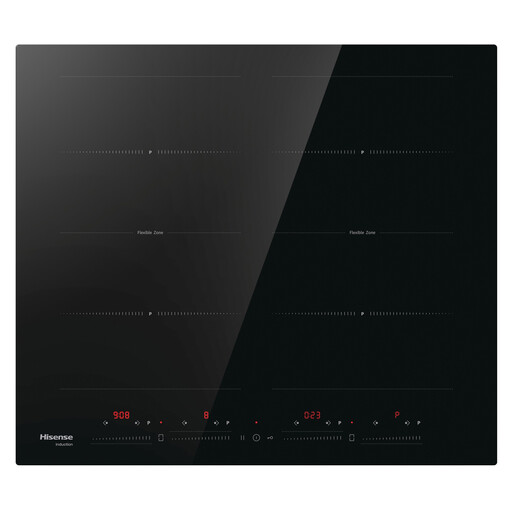
Hisense HI6442BSCE 60 cm induction hob with Area Flex
Consider the Area Flex layout if your preserving pan needs a flexible cooking area while other dishes are on the hob.
Check the usable Area Flex dimensions against your pan, and confirm the cut-out and electrical connection before ordering. Induction-compatible cookware is required.
View on Joybuy
 No image available
Belling IHL773 BLK 77 cm induction hob with flexible bridge
The flexible bridge is relevant if you want to assess a larger cooking area for your chutney pan alongside family-meal cooking.
The title specifies four zones, touch controls and boost mode. Check the bridge’s usable pan dimensions and the installation requirements for this 77 cm model; use induction-compatible cookware.
View on Joybuy
 No image available
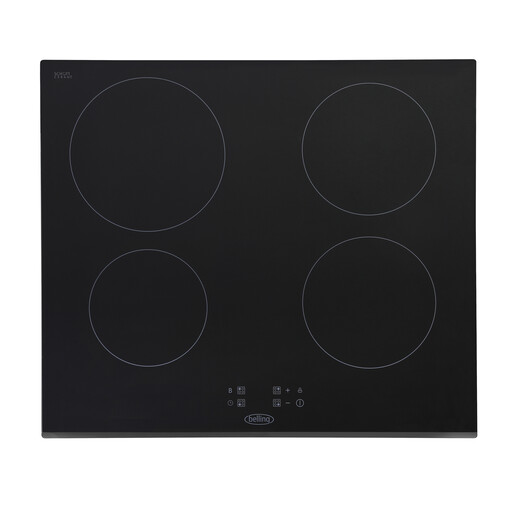
Belling ComfortCook IHT603 60 cm induction hob
Consider this standard-size induction option if your chutney pan fits a conventional zone and you want to assess space for other dishes.
Compare your largest pan with the cooking-zone dimensions, and check the cut-out and electrical supply requirements. Use induction-compatible cookware.
View on Joybuy
 No image available
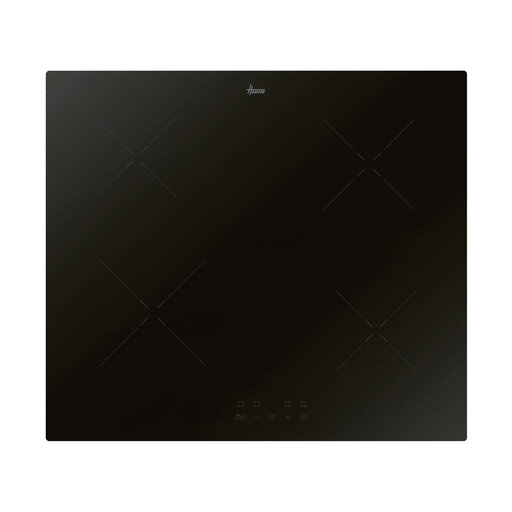
Hoover HI642BCB 60 cm four-zone induction hob
Its four-zone layout is a route to consider when the chutney pan can occupy one zone while the other dishes use separate pans.
Check the individual zone dimensions against your cookware and confirm the rated load and installation fit before ordering. Use induction-compatible pans.
View on Joybuy
 No image available
Bosch PIE631BB5E Series 4 60 cm induction hob
Consider this standard-size induction model if your preserving pan fits one zone and separate cooking space for the family meal is the priority.
The product title specifies a hardwired connection. Check the worktop cut-out, electrical supply and pan-to-zone fit before ordering; induction-compatible cookware is required.
View on Joybuy
Frequently asked questions
Should I choose induction or ceramic for tomato chutney?
Choose induction if responsive adjustment from boiling to simmering matters most and your cookware is suitable; induction generates heat in the pan itself, as Which? explains. Ceramic is a route to compare when keeping existing pans is the priority, but its glass surface is heated by elements beneath it and remains hot after use.
Will a bridge zone help with my preserving pan?
A bridge zone is worth considering if your pan is too wide or long for one conventional zone. A standard four-zone hob may be sufficient when the pan base fits and leaves room for other dishes; compare your pan with the exact zone diagram rather than choosing by hob width alone.
What should I check before ordering a built-in hob?
Check the manufacturer’s worktop cut-out, connection method and rated load for the exact model, as well as the space its zones provide for your pans. The advertised hob width alone does not establish that it will fit the existing opening or electrical supply.
Can I install an electric hob myself?
Whether you can carry out the work depends on the hob, the existing electrical installation and the rules applicable where you live, so check before planning a self-installation. GOV.UK’s Approved Document P concerns electrical safety in dwellings in England; seek qualified advice about the work your kitchen requires rather than applying that guidance unchanged across the UK.
When can I clean the glass after making chutney?
Let the hob cool and follow its appliance manual before cleaning spilled chutney. On a ceramic hob, a switched-off zone can remain hot; pay attention to any residual-heat indicator provided on the model.


