Family batch-soup cooks
If a large soup pan shares the hob with side dishes, usable zone space matters alongside the ability to bring the soup to a boil and then control its simmer.


Choose a four-zone induction hob if your soup pan has a magnetic base and you value responsive heat when moving from boiling to simmering. A radiant ceramic electric hob is worth considering if keeping non-magnetic pans matters more. With either type, check the exact cut-out, zone layout, electrical load and connection requirements before ordering.
If a large soup pan shares the hob with side dishes, usable zone space matters alongside the ability to bring the soup to a boil and then control its simmer.
The deciding question is whether the pans you want to keep have magnetic bases for induction. A radiant ceramic electric hob accepts a wider range of pan types.
When replacing a hob or updating a worktop, the cut-out, appliance dimensions and electrical connection can determine which model will fit, even if its cooking features suit the meal.
Choose it when: Your soup pan is magnetic and you want heat that responds promptly as you turn a boil down to a simmer.
Bear in mind: Non-magnetic pans will not work; connection requirements vary by model.
Choose it when: Keeping existing non-magnetic pans is the stronger priority.
Bear in mind: The cooking surface can remain hot after switch-off, so take care around children and before cleaning.
| Concern | What to check | Who this matters to |
|---|---|---|
| Boiling and simmer control | Check the controls and the size of the zone you would use for your soup pan; check whether the particular model has a boost function. | If I often make a large batch, I want to bring it to a boil and then lower the heat without an aggressive simmer. Around 31% of consumers would put heat control first. |
| Existing cookware | For induction, check the pan base for an induction symbol or test whether a magnet adheres to it. | Keeping a trusted soup pot matters if its base is not magnetic. Roughly 23% of consumers would make cookware compatibility their main concern. |
| Fit and electrical connection | Compare the exact appliance and worktop cut-out dimensions, then check the electrical load and whether the model is plug-in or hardwired. | When I am replacing a built-in hob, it needs to fit the worktop and suit the kitchen's electrical installation. Around 31% of consumers would prioritise installation feasibility. |
| Large pans and extra dishes | Check your pan bases against the zone layout; consider a bridge or flexible zone if standard round zones restrict the cookware you regularly use. | For meals involving an oversized pot or several large pans, I need enough usable cooking space. Approximately 15% of consumers would put pan-layout flexibility first. |
Induction needs a magnetic pan base. A non-magnetic soup pot will not work on an induction hob, whereas radiant ceramic electric hobs accept different pan types.
Check your actual soup pot for an induction symbol or test its base with a magnet before choosing induction.
Choosing induction may also mean replacing pans you intended to keep.
Similar width descriptions do not establish that two hobs need the same worktop opening or electrical connection. AEG specifies its IKX84443CB as hardwired-only, with a 7,200 W total electrical load.
Use the exact model's installation drawing to compare the cut-out and appliance dimensions, then check its connection requirements against the kitchen installation.
A mismatch may require worktop alteration or electrical installation work.
A conventional round zone may be sufficient for the soup saucepan. Bridge and flexible zones become relevant when larger or unusually shaped cookware does not sit comfortably on standard zones.
Measure the pans you use for family meals and compare them with the model's zone layout.
Bosch cautions that its ceramic electric surfaces remain hot after cooking, which matters when children can reach the hob or you are ready to clean it.
Pay attention to residual heat and allow the surface to cool before cleaning it.
These model examples help illustrate features to compare; a brand name alone cannot establish which hob will fit your kitchen.
Bosch offers examples of both induction and radiant ceramic electric hobs in a 60 cm, four-zone format.
The IKX84443CB illustrates a bridge-zone induction layout for people whose cookware calls for a larger combined cooking area.
The T56TT60N0 illustrates flexible induction-zone placement with a removable TwistPad control.
These induction models are relevant if your soup pan has a magnetic base. Most have a conventional four-zone layout; consider the flexible-zone option if larger cookware makes that layout restrictive. A radiant ceramic hob remains a separate route if keeping non-magnetic pans is your priority.
 No image available
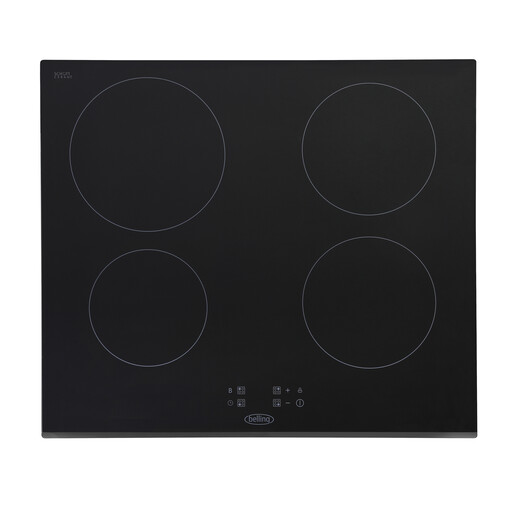
Consider this built-in induction model if you have a magnetic soup pan and want to compare a 60 cm hob with your available space.
Check the exact worktop cut-out and electrical connection requirements before ordering.
 No image available
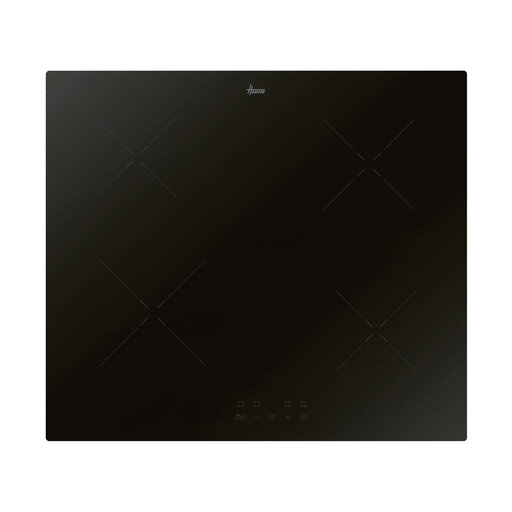
Four zones give you a layout to assess if soup is often cooked alongside another pan or side dish.
Confirm that your soup pot is magnetic and check the model's installation instructions and electrical requirements.
 No image available
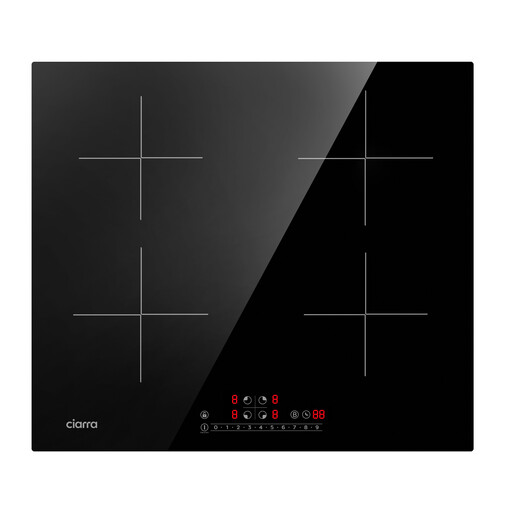
This four-zone option is relevant when the soup shares the hob with another dish and your pans are induction-compatible.
The product name specifies touch controls, nine power levels and a booster function. Check the cut-out and connection requirements for your kitchen.
 No image available
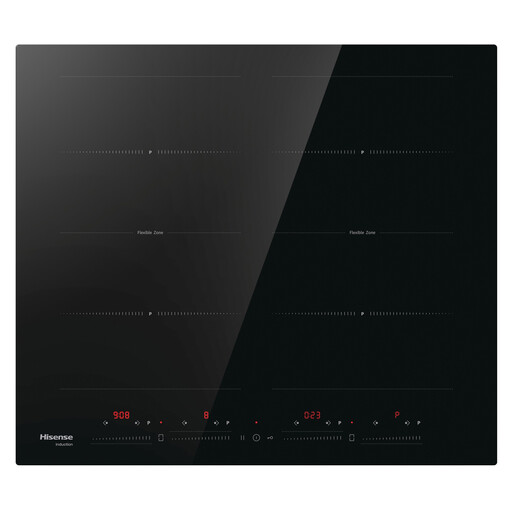
Consider the Area Flex layout if the pans you regularly use make a fixed round-zone arrangement awkward; measure those pans before deciding.
Induction requires a magnetic soup pot. Check the exact appliance and cut-out dimensions, electrical load and connection requirements.
 No image available
This induction model is an option to assess if your soup pan is magnetic and a 60 cm hob suits the planned worktop space.
Its product name specifies a hardwired connection. Confirm the required cut-out and electrical supply before ordering.
Induction suits a magnetic soup pan when responsive heat is a priority as you move from boiling to simmering. Radiant ceramic electric is worth considering if keeping non-magnetic pans matters more; allow for residual surface heat after switch-off.
Only if the pans you want to use lack a magnetic base. Check the soup pot itself for an induction symbol or test its base with a magnet; do not assume every stainless steel pan will work.
Not necessarily: a conventional zone may accommodate your usual soup pan. A bridge or flexible zone is more relevant if you regularly use oversized or unusually shaped cookware that does not sit comfortably on standard round zones.
Do not decide from the hob's nominal width or cooking features alone. Check whether the exact model is plug-in or hardwired and whether the existing electrical installation suits its load; ask a qualified electrician to assess it where needed. Requirements for fixed electrical work also depend on the work and where you live.
Compare both the worktop cut-out and the space for the complete appliance with the exact model's installation dimensions. For instance, AEG specifies its IKX84443CB as 780 × 520 mm overall with a 750 × 490 mm cut-out, illustrating why a nominal width alone is not enough.