Dinner-party batch cooks
If a large pot of chilli shares the hob with rice, tortillas or other sides, lay out the pans you use together. Their combined footprint matters as much as the number of cooking zones.


A 60 cm four-zone induction hob is a sensible starting point if your bean chilli uses one compatible pot alongside a few standard side pans. Consider a bridge or flex layout, or a wider hob, when your actual pan set needs a joined cooking area or more room; before choosing, match the pot base to a zone and check the exact worktop cut-out and electrical requirements.
If a large pot of chilli shares the hob with rice, tortillas or other sides, lay out the pans you use together. Their combined footprint matters as much as the number of cooking zones.
If you are replacing a built-in hob, the new appliance must suit the existing opening and electrical arrangement, or you must plan for changes. Its advertised width alone cannot establish that fit.
When several dishes need attention, consider how you will adjust heat and keep track of cooking times. Check the controls you prefer and the care instructions for the hob's particular glass finish.
Start with the pans you will use at the same time, then establish whether the hob fits your worktop and electrical arrangement. A bridge or flex feature is useful only if its layout suits those pans.
| Concern | What to check | Who this matters to |
|---|---|---|
| Space for several pans | Set out the chilli pot and side-dish pans together. Compare their base sizes and shapes with the exact zone layout, including any bridge or flex area. | If I cook chilli and its accompaniments simultaneously, I need room to position every pan without assuming that joined zones create more physical width. Around 29% of consumers put simultaneous cooking space first. |
| Worktop and electrical fit | Check the installation instructions for the cut-out, cabinet clearances, connection type and electrical loading. Arrange an assessment of the proposed installation before ordering. | Replacing a built-in hob means I need the chosen model to work with my kitchen, or I must plan for alterations. For around 36% of consumers, installation fit is the primary concern. |
| Heat control and timing | Check how heat is adjusted and whether timers work for individual zones. Decide whether a movable control or cookware-position feature would help your routine. | While chilli simmers and other pans need attention, I want controls and timers I can manage without losing track of a dish. Around 21% of consumers prioritise multi-dish control. |
| Cookware and surface care | Check that your most-used pans have ferromagnetic bases sized for the intended zones, and read the care guidance for the exact glass finish. | Keeping my existing chilli pot matters if it will heat on induction, and I want to know how to deal with cooking spills. Cookware compatibility and care come first for around 14% of consumers. |
Bosch GB lists the PWP611BB5B as a four-zone hob with CombiZone and Plug & Play, while AEG UK lists its wider TO84IB00FB bridge model as hardwired only. Those model-specific differences make installation and pan layout more useful starting points than width or a feature name alone.
The hob's outer width is not its required worktop opening. AEG UK lists its 780 mm-wide TO84IB00FB with a 750 × 490 mm built-in opening and a hardwired connection, so it should not be treated as a direct replacement for every 60 cm hob.
Measure the existing opening and cabinet space, then ask your installer to assess the exact model's installation instructions and electrical rating.
A different cut-out or electrical arrangement may require worktop alteration or electrical work.
Bosch GB says induction cookware needs a ferromagnetic base. A pot that is not induction-compatible, or whose base is poorly matched to the intended zone, may not suit your planned cooking arrangement.
Check your regular chilli pot and side pans for an induction marking or test their bases with a magnet, then compare base sizes with the hob's zone dimensions.
You may need to replace cookware that cannot be used on the chosen hob.
A joined area can accommodate suitably shaped cookware, but it does not add space around several large pans. A round chilli pot may fit an ordinary zone without needing a bridge feature.
List the pots and pans used for a typical hosted meal. Choose fixed, bridge or flex zones according to where those particular pans will sit together.
AEG UK Support warns that abrasive materials and scouring pads can scratch the hob surface. Care instructions can also differ by glass finish.
Follow the exact model's guidance for spills. For routine cleaning, let the zones cool and use suitable hob-cleaning tools rather than abrasive pads.
These examples illustrate different hob layouts and controls, not features shared by every model from a brand. Compare the exact appliance and its installation instructions before choosing.
Bosch GB lists the 60 cm PWP611BB5B with four zones, CombiZone and Plug & Play. It is a reference point for cooks considering a conventional footprint with a combinable area.
NEFF UK describes flexible cooking zones and automatic cookware detection on the T56TT60N0. Its TwistPad and Power Move controls are worth examining if you often reposition pans while cooking.
AEG UK lists an 80 cm TO84IB00FB that joins two zones with its Bridge function and a 90 cm KIK95I00FB whose FlexiBridge can connect up to four cooking segments.
Miele Great Britain lists the 800 mm KM 8585-2 FL with six cooking zones, including three PowerFlex cooking areas. That layout is relevant when several substantial pans need cooking positions at once.
These built-in hobs cover 60 cm formats and a wider 77 cm option for cooking chilli alongside side dishes. Compare each model's stated layout with your pan set, then confirm its installation requirements before choosing.
 Image unavailable
Consider its flexible bridge if your large cookware needs a joined area while other pans occupy the hob. The product title specifies four cooking zones, touch controls and boost mode. Check the worktop opening, electrical connection and your pot's base size against the installation and zone details.
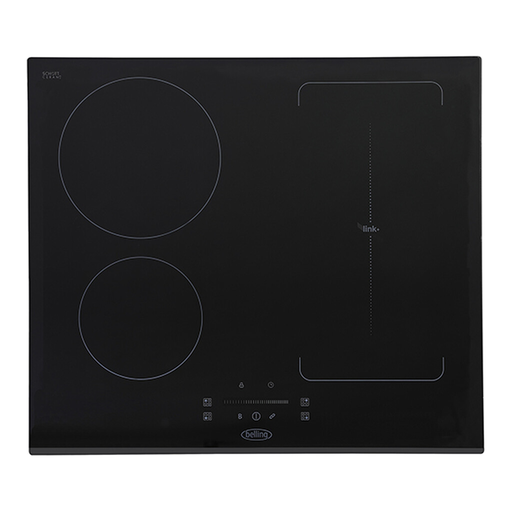 Image unavailable
A 60 cm format to assess if you want a chilli pot and side pans within a conventional built-in footprint. Check how your pans fit its cooking zones, and confirm the opening and electrical connection required for your kitchen.
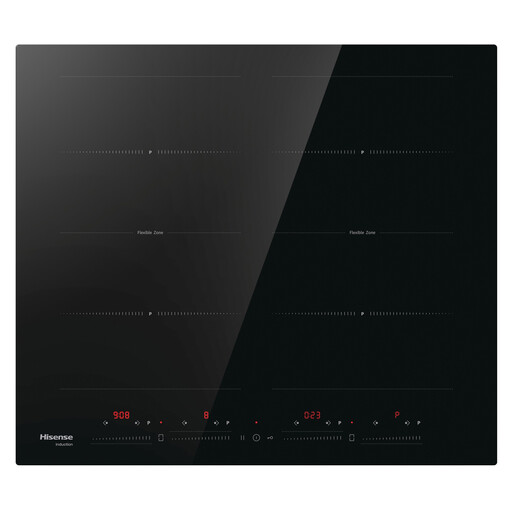 Image unavailable
Consider this model if you want to assess an Area Flex layout while retaining a 60 cm format. Compare the position and size of its cooking areas with your chilli pot and side pans, and confirm the cut-out and electrical requirements before ordering.
 Image unavailable
Consider this 60 cm model for a chilli pot alongside standard side-dish pans, subject to checking that the zones accommodate them. Its product title specifies a hardwired connection; have the exact cut-out and electrical installation assessed before purchase.
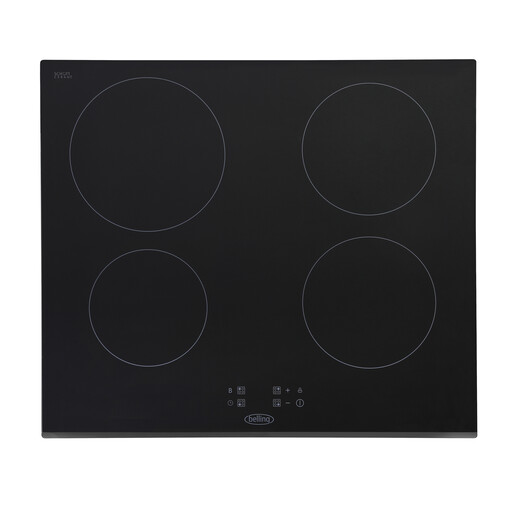 Image unavailable
A 60 cm option to compare against the space your chilli pot and accompanying pans need. Before choosing it, check the cooking-zone sizes against your cookware and confirm the opening and electrical requirements for your kitchen.
It will need an induction-compatible ferromagnetic base that suits the intended cooking zone. Bosch GB gives cast iron, enamelled steel and suitable stainless steel as examples; a pot made from another material may still work if it has a compatible ferromagnetic base. Check the pot's marking or base with a magnet, then compare its base size with the hob's zone guidance.
Not necessarily: a 60 cm four-zone layout may suit one compatible chilli pot and a few standard side pans. Consider a wider or joined-zone layout if the pans you regularly use together need more room or an appropriately shaped larger cooking area. AEG UK lists a 750 × 490 mm cut-out for its 80 cm TO84IB00FB, illustrating why the exact installation dimensions matter.
No universal connection type applies to induction hobs. Bosch GB lists Plug & Play for the PWP611BB5B, whereas AEG UK lists its TO84IB00FB and KIK95I00FB as hardwired only. Follow the installation instructions for the exact model and have its suitability for your electrical arrangement assessed.
Check how the proposed work will meet the electrical-safety requirements for a dwelling in England before it starts. GOV.UK's Approved Document P covers those requirements; Bath & North East Somerset Council Building Control Services advises that adding a new circuit requires Building Control notification or work through a registered competent-person route. Requirements elsewhere in the UK may differ, so confirm the applicable local process for your property and planned work.
Follow the care instructions for the hob's glass finish and let the zones cool before routine cleaning. AEG UK Support recommends a suitable hob scraper and warns against abrasive materials that may scratch the surface; it gives separate prompt-removal advice for substances such as plastic or sugary spills. Check your model's instructions for those spills rather than treating every residue the same way.