Family cooks using several pans
If soup simmers while you prepare vegetables or side dishes, look at how many pans the hob can accommodate at the same time and whether its controls suit that routine.


For a family meal with carrot soup, start with a four-zone induction hob if your soup pot and accompanying pans fit on separate zones. Consider a combined cooking zone for regularly used wide cookware, or a wider hob when several large pans need space at once; check cookware, worktop fit and electrical requirements before choosing either.
If soup simmers while you prepare vegetables or side dishes, look at how many pans the hob can accommodate at the same time and whether its controls suit that routine.
If a wide or oval pan is part of your usual cooking, compare its base with the cooking areas. Combined zones, such as those described by Bosch and Beko for specific models, may be relevant.
Check the worktop opening, installation instructions and electrical connection before settling on cooking features. NEFF also advises using induction cookware with a ferromagnetic base that suits the zone size.
For soup alongside family side dishes, work out which pans need to be on the hob together, then check whether that layout fits your kitchen and cookware.
| Concern | What to check | Who this matters to |
|---|---|---|
| Cooking several dishes | Compare the positions and sizes of the cooking zones with the pans you use together. | I want the soup to simmer while the side dishes cook, without moving pans on and off the hob. Around 33% of consumers put simultaneous cooking space first. |
| Space for a wide pan | Measure the pan base and check whether a combined zone or wider layout accommodates it. | My large soup pot or oval pan needs a cooking area that suits its base. For around 25% of consumers, accommodating wide cookware is the main concern. |
| Kitchen and cookware fit | Check the model’s cut-out and electrical instructions, plus whether your pans have suitable magnetic bases. | I am replacing a hob and need the new appliance and my existing pans to work in this kitchen. Around 25% of consumers focus primarily on compatibility and installation. |
| Everyday controls | Check the exact model for a timer, control lock and residual-heat indication. | With a busy family meal under way, I want controls I can manage without accidental changes. Convenient controls are the leading need for around 17% of consumers. |
Four zones do not establish whether your widest pot or an oval pan suits their layout.
Measure your largest pan’s base and compare it with the zone diagram. Consider a combined zone or wider hob if your usual pans call for one.
NEFF advises that induction cookware needs a ferromagnetic base suited to the cooking-zone size.
Check the base of each frequently used pan with a magnet, then compare its size with the intended zone.
You may need different cookware if a pan you rely on lacks a suitable magnetic base.
Bosch and NEFF use plug-in wording for particular models; it does not establish whether a different model or your kitchen connection is suitable.
Read the exact model’s installation instructions and confirm the cut-out and electrical requirements before ordering. Seek a qualified installer where the work calls for one.
A replacement may involve delivery, fitting, old-hob removal or changes to the worktop or electrical connection.
Confirm which services are included and what work your kitchen needs before committing to a model.
Its referenced four-zone models illustrate the choice between separate cooking zones and a combined area for wider cookware.
The HII85700UFT is an option to examine when several large pans call for a wider layout.
Its T36CA50X1U is a four-zone model to examine if separate cooking positions suit your pans.
The TB 7960C BF is relevant when a flexible cooking area is part of the decision.
These induction hobs offer four-zone layouts for cooking soup alongside other dishes; the Belling and Hisense models also name a combined cooking area for wider cookware. Compare each model’s dimensions and installation instructions with your kitchen before choosing.
 No image available
Consider its flexible bridge when a wide pan is part of your family cooking. The title specifies four cooking zones, touch controls and a boost mode; confirm the required cut-out and electrical connection before ordering.
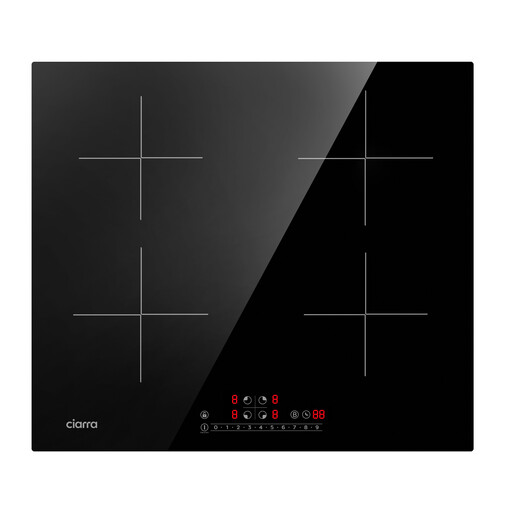 No image available
For a soup pot and side dishes on separate zones, this model offers four cooking zones. Its title also specifies touch controls, nine power levels and a booster function; check the cut-out and electrical instructions for your installation.
 No image available
A 60 cm option to assess when your soup pot and other pans fit on separate zones. The product title identifies a hardwired model, so check the cut-out and arrange installation appropriate to its instructions.
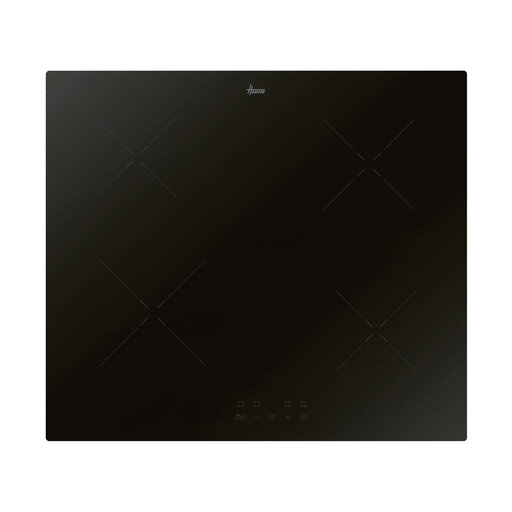 No image available
Consider this separate-zone layout if your soup pot and side-dish pans fit without a combined cooking area. Check the model’s cut-out and electrical instructions against your kitchen.
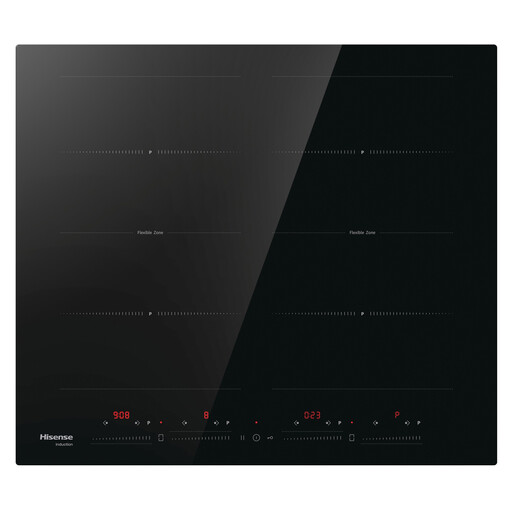 No image available
Consider Area Flex if you regularly use a wide pan alongside other cookware. Check the active-area dimensions against your pan, and confirm the cut-out and electrical requirements in the model instructions.
It needs a ferromagnetic base that suits the cooking-zone size. NEFF advises checking both, so test the base with a magnet and compare its dimensions with the hob manual before relying on the pot.
It can be enough when your soup pot and accompanying pans fit on separate zones at the same time. If you routinely use a wide or oval pan, compare a combined zone or wider layout with that pan’s base and your available worktop space.
No. A manufacturer’s plug-in description applies to a specific model, and you still need to follow its instructions and check your kitchen connection. GOV.UK’s Approved Document P addresses electrical safety in dwellings in England; check the requirements applicable to your installation rather than assuming the same rules apply throughout the UK.
Clear spillages promptly and clean the hob regularly in line with its instructions. Electrical Safety First warns that food debris and fat build-up can create a fire risk.
Yes. Electrical Safety First says registration makes it easier for the manufacturer to contact you if the product is faulty or dangerous.