A four-zone induction hob is a sensible starting point if you usually boil pasta in one pot and simmer sauce in another. Look for independent assessments of both boiling and simmering rather than relying on a boost feature alone; consider bridge or flex zones if larger pans or varied pan placement are part of your routine. Check your cookware, worktop cut-out and electrical connection before choosing a model.
Who is this for?
Home cooks making pasta and sauce together
You want to bring a pasta pot to the boil while keeping sauce under control in a separate pan. Which? assesses hob speed and simmering separately, so both are worth considering if gentle heat matters to you.
People replacing a built-in hob
Your choice has to fit the existing worktop opening and electrical setup. Compare the exact model’s cut-out dimensions, load and connection instructions before treating an advertised hob width as a match.
Cooks using larger or unusually shaped pans
A wide sauté pan or other non-standard cookware may make linked or flexible cooking zones useful. Check how the zones work on the particular hob rather than assuming that every flexible layout accommodates the same pans.
What matters when choosing?
Start with the pans you use and the space and electrical connection available; then weigh boiling, simmering and zone layout against your usual meal.
| Concern |
What to check |
Who this matters to |
| Boiling and simmering |
Look for independent assessments of both, alongside usable heat controls and a timer. Which? assesses speed and simmering as separate aspects of hob performance. |
I want pasta water boiling promptly without losing control of the sauce beside it. Around 27% of consumers put boiling and simmer control first. |
| Installation and fit |
Compare the built-in cut-out with your worktop opening, then check the model’s electrical load and connection instructions. |
When replacing a built-in hob, I need it to fit the worktop and suit the planned electrical installation. For around 33% of consumers, installation and fit come first. |
| Cookware compatibility |
Confirm that your regular pasta pot and sauce pan are induction-compatible, using their markings or the cookware maker’s guidance. |
I want to keep using my familiar pans rather than discover that they will not work on induction. Cookware compatibility is the main concern for around 27% of consumers. |
| Room for larger pans |
Check whether the exact hob joins zones or offers flexible pan placement, and compare that layout with your cookware. |
A wide pan is part of my regular cooking, so fixed circular zones may not give me the placement I need. Around 13% of consumers prioritise a more flexible pan layout. |
Mistakes to avoid
-
Assuming your existing pans will work
Induction requires compatible magnetic cookware; Bosch’s induction guidance makes this a basic consideration before choosing a hob.
Check the induction marking or manufacturer guidance for each pot and saucepan you rely on.
Replacing incompatible everyday pans adds another purchase to the changeover.
-
Using the visible hob width as the cut-out size
AEG lists its SO64IB00FB at 590 × 520 mm externally, but specifies a 560 × 490 mm built-in cut-out. Those measurements answer different fit questions.
Measure the worktop opening and compare it with the installation instructions for the exact model.
A mismatched opening may require worktop alteration.
-
Treating plug-in and hardwired models alike
Bosch describes its PUE611BB5B and PWP611BB5B as Plug & Play, while AEG specifies a hardwired-only connection and a 7,200 W load for its SO64IB00FB. Connection requirements are model-specific.
Read the exact hob’s installation instructions and have the circuit assessed by a qualified electrician where needed.
Depending on the hob and existing installation, electrical or worktop work may be needed before use.
-
Choosing on boost power alone
Faster heating for pasta water does not establish how comfortably a hob maintains a gentle sauce simmer. Which? assesses speed and simmering separately.
If low-heat control is important to you, look for independent simmering assessments as well as the model’s boost and timer features.
Brands to consider
These brands offer relevant hob layouts, but their features and installation requirements need checking model by model.
Bosch
Bosch has standard induction and CombiZone models relevant to separate pasta-and-sauce pans or larger cookware.
- Bosch lists PowerBoost on cited models and describes CombiZone on the PWP611BB5B as combining two cooking zones.
- Check the exact model’s connection method and zone layout; boost capability alone does not establish simmering performance.
AEG
AEG’s cited bridge and FlexiBridge models are relevant when larger cookware needs a linked cooking area.
- The SO64IB00FB is a 60 cm bridge model; AEG also lists a 90 cm FlexiBridge model.
- The SO64IB00FB is hardwired only and specifies a 7,200 W load. Do not assume those installation details apply to every AEG hob.
Neff
Neff is relevant to cooks considering flexible pan placement rather than only fixed circular zones.
- Neff lists two flex-induction zones and automatic cookware detection for the T56TT60N0.
- Check that model’s zone layout, controls and installation requirements against your pans and kitchen.
Joybuy induction hobs for this cooking setup
These models include standard four-zone hobs and options with flexible or bridge cooking areas. Match their stated size and features to your pans, then check installation requirements and independent simmering assessments where those details matter to your choice.
 No image available
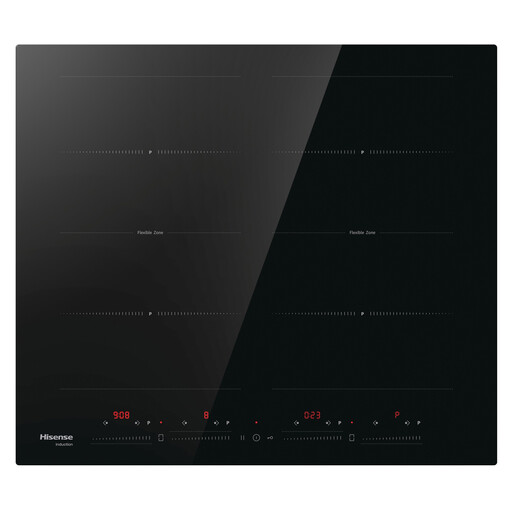
Hisense HI6442BSCE 60 cm induction hob with Area Flex, black
Consider the Area Flex layout if you regularly use a larger pan alongside a pasta pot. Compare your cookware with the zone arrangement, and confirm the cut-out, electrical load and connection requirements before ordering.
View on Joybuy
 No image available
Belling IHL773 BLK 77 cm induction hob with flexible bridge
The flexible bridge is relevant if a wide pan is a regular part of your sauce cooking. Its stated four zones, touch controls and boost mode give you features to compare, but check that the 77 cm hob, worktop opening and electrical connection suit your kitchen.
View on Joybuy
 No image available
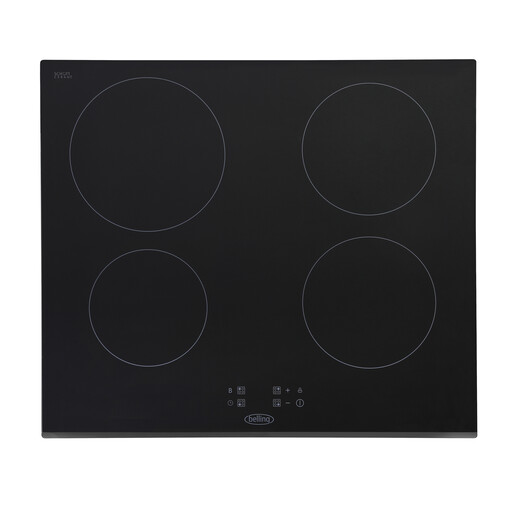
Belling ComfortCook IHT603 60 cm induction hob, black
This 60 cm model is worth considering when separate pasta and sauce pans are your main requirement. Check its installation instructions and whether independently assessed low-heat control meets your expectations.
View on Joybuy
 No image available
Bosch PIE631BB5E Series 4 60 cm induction hob, hardwired
Consider this model for a conventional pasta-pot-and-saucepan setup if a hardwired hob fits your installation plans. Confirm the required worktop cut-out and have the electrical requirements checked before purchase; assess simmering separately from any high-heat features.
View on Joybuy
 No image available
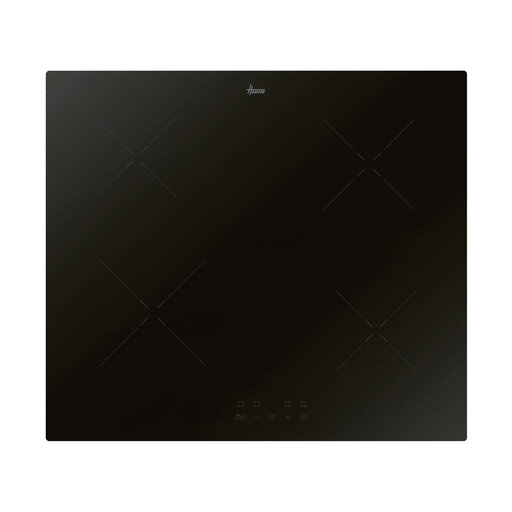
Hoover HI642BCB 60 cm four-zone induction hob
The four-zone layout suits cooks who want separate positions for pasta and sauce pans. Compare the zone sizes with your cookware and confirm the worktop and electrical requirements for your installation.
View on Joybuy
Common questions
Will I need new pans for an induction hob?
Only if the pans you want to use are not induction-compatible. Check your regular pasta pot and saucepan for an induction marking or confirmation from their manufacturer; induction needs compatible magnetic cookware.
Is a boost feature enough for cooking pasta and sauce?
No: boost concerns high-heat cooking, while sauce also calls for controllable lower heat. Which? assesses hob speed and simmering separately, so consider both when comparing models.
Can I plug a replacement induction hob into my existing socket?
Do not assume so; the connection depends on the exact model and your installation. Bosch describes its PUE611BB5B and PWP611BB5B as Plug & Play, whereas AEG specifies a hardwired-only connection and a 7,200 W load for the SO64IB00FB. Check the installation instructions and seek a qualified electrician’s assessment where needed.
What should I do about sauce splashes on an induction hob?
Let the hob reach a safe condition for cleaning and follow its manufacturer’s instructions for the cooking surface. Keep electrical controls dry; Electrical Safety First advises against touching electrical equipment with wet hands.


