Slow-cook control seekers
If you caramelise onions regularly, you may value controls that let you adjust the heat as they soften and colour. Check the controls on the particular model rather than choosing by its maximum power alone.


For onions cooked in one conventional frying pan, prioritise adjustable heat controls and an induction-compatible pan whose base suits the cooking zone; a standard hob can meet that need. Consider bridge or flex zones if you regularly use a larger or longer pan, and confirm the exact model’s electrical connection and worktop fit before ordering.
If you caramelise onions regularly, you may value controls that let you adjust the heat as they soften and colour. Check the controls on the particular model rather than choosing by its maximum power alone.
If you use a wide or elongated pan, compare its base with the available cooking area. A bridge or flex zone may matter more to you than the hob’s total number of zones.
If you are replacing a built-in hob, the connection method and worktop opening may determine which models fit your kitchen. Plug-in and hardwired models need different checks.
Start with the pan you use for onions and the controls you want during a long cook, then check the electrical connection and worktop opening.
| Concern | What to check | Who this matters to |
|---|---|---|
| Adjustable heat | Compare the selectable power levels and how you change them during cooking; check model-specific frying assistance only if you would use it. | When onions begin to colour, I want to adjust the heat without relying on a simple high-or-low choice. Around 42% of consumers put that control first. |
| Installation fit | Confirm whether the exact model is plug-in or hardwired, then check its electrical requirements and required worktop opening. | Replacing an existing hob should not mean choosing a connection or cut-out my kitchen cannot accommodate. For around 33% of consumers, installation fit is the primary concern. |
| Usable pan area | Check the pan’s magnetic base against the zone size; consider bridge or flex capability for larger or longer cookware. | I cook bigger batches in a wide pan and need enough usable cooking area beneath it. That pan fit comes first for around 25% of consumers. |
Induction needs a ferromagnetic pan base. Bosch UK also advises matching the cookware base to the cooking zone for even heating.
Check your intended onion pan for induction compatibility and compare its magnetic base diameter with the hob’s zone guidance.
A non-magnetic pan may need replacing before you can use the hob.
Connection requirements differ by model: the Bosch PUG61RAA5B is supplied with a 13A plug, while AEG UK specifies its TO64IB00FB as hardwired only.
Check the exact model’s installation instructions, connected load and worktop opening. Have a competent installer assess electrical work.
A hardwired replacement may also involve electrical or worktop alterations.
Bridge and flex areas address larger pans or more flexible placement. They do not, by themselves, improve the result when your usual pan already fits one zone.
Compare your pan with the zone layout first; for a conventional pan, give the controls and installation fit greater attention.
Electrical Safety First warns that accumulated food debris and fat can pose a fire risk.
Clear spillages promptly, following the hob manufacturer’s instructions for cleaning its glass surface safely.
Bosch is relevant if you are considering a conventional-pan layout and need to distinguish a plug-in model from other installation routes.
AEG’s TO64IB00FB is a 60 cm option to examine if you frequently use a larger pan for onions.
NEFF’s T69YYV4C0 is relevant where the kitchen can accommodate a larger hob and flexible pan placement matters.
These Joybuy choices include a compact two-zone hob, conventional four-zone layouts and a wider bridge-equipped model. Match your onion pan to a suitable zone and check the installation requirements for the model you choose.
 No image available
Consider this wider built-in layout if you use a larger pan for batches of onions. It has four cooking zones, a flexible bridge area and touch controls; check your pan fit, worktop opening and electrical provision before buying.
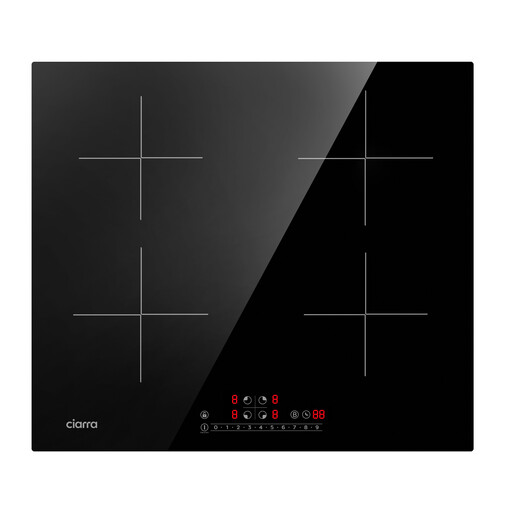 No image available
For a conventional onion pan, this built-in four-zone model offers nine selectable power levels and touch controls. Compare your pan’s magnetic base with the intended zone, and confirm the worktop and electrical fit.
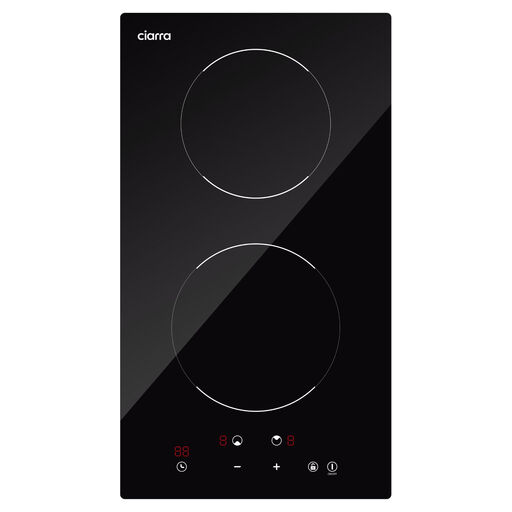 No image available
This compact built-in model is worth considering where two zones suit your cooking setup. Its title specifies 2,900 W, nine power levels and a timer; check that your pan fits a zone and that the opening and electrical provision suit the hob.
 No image available
Consider this model if you want several selectable heat settings while cooking onions. Its Joybuy listing describes 17 power levels, and the product title specifies a hardwired connection; confirm the pan, electrical provision and worktop fit.
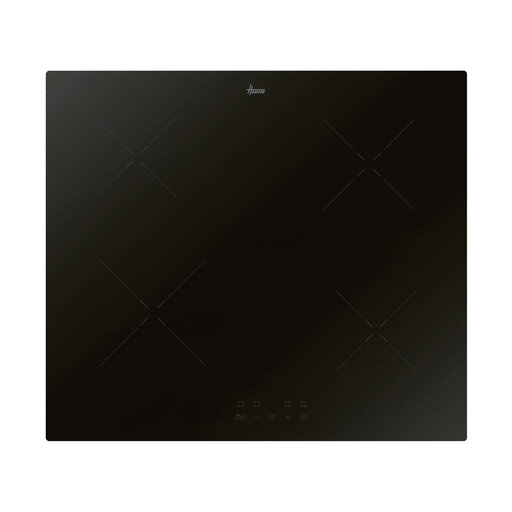 No image available
This built-in four-zone layout is a conventional-pan option for onion cooking. Check your pan’s magnetic base against a suitable zone, and confirm the required worktop opening and electrical connection before ordering.
You will need a different pan if your current one lacks an induction-compatible magnetic base. Bosch UK advises using ferromagnetic cookware and matching the base to the cooking zone; check the pan you intend to use for onions before choosing a hob.
Yes, if the particular plug-in model suits your kitchen’s electrical provision and installation requirements. The Bosch PUG61RAA5B listing specifies a supplied 13A plug and a 3.0 kW maximum connected load, whereas AEG UK specifies the TO64IB00FB as hardwired only; check the instructions for the model you intend to buy.
A bridge zone helps accommodate a larger or longer pan; it does not by itself change how onions caramelise. AEG UK says the TO64IB00FB joins two zones, but if your induction-compatible frying pan already fits one zone, focus on its fit and the hob’s heat controls.
Clear spillages promptly and follow your hob manufacturer’s instructions for the glass surface. Electrical Safety First warns that a build-up of food debris and fat can pose a fire risk.