Who is this for?

Shared-kitchen stock makers

If a stock pot occupies the hob while housemates cook, consider whether separate zones remain usable. AEG’s bridge design and NEFF’s flex-zone designs offer different placement options when pot size creates a space conflict.

Safety-conscious renters and households

Check controls that could be changed accidentally and establish whether a fitted hob suits the kitchen before making alterations. London Fire Brigade advises against leaving hob cooking unattended, regardless of the controls fitted.

People keeping their existing stock pot

Check the base before choosing an induction hob: Beko says induction cookware needs magnetic material. The pot’s base must also suit the cooking area on the model you select.

What matters when choosing?

Four separate zones

Choose when: A conventional stock pot can occupy one zone while other pans use the remaining zones.

Trade-off: Fixed zones do not join to accommodate a long or unusually wide vessel.

Bridge zones

Choose when: A larger vessel needs two zones joined into one cooking area, as on the AEG SO64IB00FB.

Trade-off: AEG says the linked zones share temperature and time settings rather than operating independently.

Flex zones

Choose when: Pan sizes and positions change frequently; NEFF describes flexible placement within its flex zones.

Trade-off: You still need to check the exact vessel fit and installation requirements of the chosen model.

ConcernWhat to checkWho this matters to
Stock-pot fit Test the pot base with a magnet, then compare its base size with the chosen hob’s cooking-zone guidance. I want to keep using my stock pot, so I need to know it will work on the hob and fit the cooking area. Around 36% of consumers put cookware compatibility and fit first.
Supervision and controls Compare timers, control locks and residual-heat indicators on the exact model; plan to turn off the heat if leaving the kitchen. During a long simmer, I need a reminder to check the pot and want to avoid unintended control changes. Roughly 29% of consumers make supervision and controls their main concern.
Space for other cooks Count the zones available with the stock pot in place; compare bridge or flex layouts if larger pans regularly compete for room. Others may need to cook while the stock simmers, so I want usable space for their pans. Around 21% of consumers prioritise shared access to the hob.
Installation fit Check the model’s cut-out, connection and electrical loading; in rented accommodation, ask before altering a fitted kitchen. I cannot choose a built-in hob until I know it suits the worktop, electrical supply and any tenancy requirements. About 14% of consumers put installation and permission first.

Mistakes to avoid

  • Assuming every stock pot works on induction

    Beko explains that induction requires cookware with a magnetic base; a pot that fails that requirement will not work as intended.

    Test your pot with a magnet and check its base size against the hob’s guidance before choosing a zone layout.

  • Treating a built-in hob as a plug-in replacement

    Installation requirements vary by model. The AEG SO64IB00FB, for example, is hardwired only and specifies a 560 × 490 mm cut-out and 7,200 W loading.

    Read the chosen model’s installation instructions and have the existing connection assessed where necessary.

    A different cut-out or electrical connection may require work on the kitchen before the hob can be fitted.

  • Letting a timer stand in for supervision

    A reminder does not make an extended simmer safe to leave unattended. London Fire Brigade advises turning off the heat if you need to step away from the kitchen.

    Use the timer to prompt a check on the stock, and turn off the hob when leaving.

  • Choosing joined zones without checking control

    On the AEG SO64IB00FB, bridged zones share temperature and time settings. That matters if two cooks need separate settings at the same time.

    Choose a joined area for a genuine cookware-placement need; otherwise, compare how four separate zones would work during a simmer.

Relevant brands to consider

Beko

A reference point for a conventional four-zone layout with shared-kitchen controls.

  • Beko lists a child lock, automatic shut-off and residual-heat indicators on the 59 cm HII64400MT.
  • These are features of that model, not every Beko hob; check pot fit and installation requirements separately.

AEG

A reference point when a larger vessel makes a bridge area useful.

  • AEG says the SO64IB00FB joins two zones into a larger cooking area.
  • Its joined zones share settings, and the model is hardwired only, with a 560 × 490 mm cut-out and 7,200 W loading.

NEFF

A reference point for changing pan placement within flex zones.

  • NEFF describes flexible placement for different pan sizes; its T66FHX4L0 has two flex induction zones.
  • Check the exact model’s dimensions and whether your stock pot fits the designated flex area.

Bosch

A reference point for induction cookware requirements and fixed- or flex-zone layouts.

  • Bosch explains that induction heats magnetic cookware, making the pot base an essential early check.
  • Bosch labels its flex-zone PXE675DC1E no longer available; do not treat that model as a current purchase option.

Joybuy product choices

These induction hobs include standard-width four-zone layouts and models with a joined cooking area. Compare each one against your stock pot and the shared kitchen’s installation requirements rather than choosing by width alone.

Belling IHL773 BLK induction hob

Belling IHL773 BLK 77 cm induction hob

Consider its flexible bridge when a wide vessel needs more placement room while other cooking continues.

The title specifies four zones, touch controls and boost mode. At 77 cm wide, it needs a different space check from a 60 cm layout; confirm the pot fit and electrical connection before purchase.

View on Joybuy
Bosch PIE631BB5E Series 4 induction hob

Bosch PIE631BB5E Series 4 60 cm induction hob

A standard-width layout to consider when a conventional stock pot can use one cooking area and other pans need separate space.

The product title specifies a hardwired connection. Check the installation cut-out, electrical supply and stock-pot fit before ordering.

View on Joybuy

Ciarra built-in 60 cm induction hob

Ciarra built-in 60 cm four-zone induction hob

Its four-zone layout is relevant when the stock pot can stay on one zone while housemates use others.

Compare your pot base with the hob’s pan-size guidance, and confirm the cut-out and electrical requirements for installation.

View on Joybuy

Hoover HI642BCB induction hob

Hoover HI642BCB 60 cm four-zone induction hob

Consider the separate-zone layout if one pot will simmer while other residents use ordinary pans.

Check that the stock-pot base suits a zone and that the kitchen accommodates the specified 560 × 490 mm cut-out and hardwired installation.

View on Joybuy
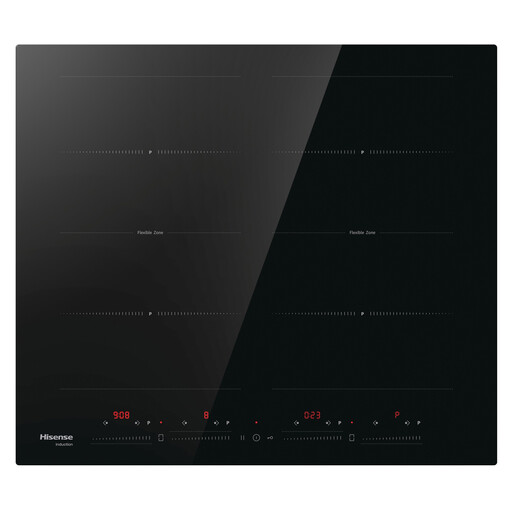
Hisense HI6442BSCE induction hob with Area Flex

Hisense HI6442BSCE 60 cm induction hob with Area Flex

Area Flex is worth examining if a larger stock vessel competes with other pans for cooking space.

Check how your pot fits the flexible area, then confirm the model’s cut-out and electrical connection against the kitchen.

View on Joybuy

Common questions

Will my existing stock pot work on an induction hob?

It needs an induction-compatible, magnetic base. Beko recommends magnetic cookware for induction; try a magnet on the pot base, then check the chosen hob’s guidance for the pot’s base size.

Can a timer supervise stock while I leave the kitchen?

No. Use it as a reminder to check the pot, not permission to leave cooking unattended. London Fire Brigade advises turning off the heat if you need to step away from the kitchen.

What should I check before replacing a fitted hob?

Check the exact model’s connection, worktop cut-out and electrical loading against the existing kitchen. For instance, AEG specifies that its SO64IB00FB is hardwired only, needs a 560 × 490 mm cut-out and has 7,200 W loading; another model may differ.

Can I change a fitted hob in a rented home in England?

Check your tenancy agreement and ask the landlord or property manager before altering the kitchen. England’s electrical-safety guidance from the Ministry of Housing, Communities and Local Government requires landlords within its scope to arrange inspection and testing of electrical installations by a qualified person at least every five years; that requirement does not itself grant permission for a tenant to replace a hob.

Does a hob’s rated electrical loading tell me what a stock simmer will use?

No. Rated loading is relevant to checking the installation, not a prediction of consumption throughout a simmer. For a practical comparison, consider the chosen hob, cooking duration, cookware and your electricity tariff together.