Multi-pan curry cooks
If curry, rice and sides often cook together, look beyond the number of zones: your pans also need room to sit comfortably. Bridge, combi or flexible zones may help with wider cookware, depending on the exact hob.


Choose induction if your curry pans have magnetic bases and you want direct pan heating and responsive adjustments; check the zone layout if you also cook rice or sides. A ceramic electric hob lets you keep a wider range of cookware, while a portable single-zone induction cooker suits cooking one dish at a time. For any built-in hob, check the worktop opening and the exact model’s electrical connection before ordering.
If curry, rice and sides often cook together, look beyond the number of zones: your pans also need room to sit comfortably. Bridge, combi or flexible zones may help with wider cookware, depending on the exact hob.
Induction heats compatible pans directly, making it worth considering if you want to adjust the heat while frying spices, cooking vegetables and simmering curry. Check the bases of the pans you use most often before choosing it.
Keeping the existing worktop opening and electrical arrangement matters if you want a straightforward replacement. Compare the new model’s cut-out dimensions and connection instructions with your kitchen, not just its advertised width.
Start with the pans and dishes you cook at the same time, then check whether the hob can fit and be connected in your kitchen. Ceramic electric remains an option when keeping non-magnetic cookware is the priority.
| Concern | What to check | Who this matters to |
|---|---|---|
| Space for several pans | Compare zone positions and pan sizes; check whether the exact hob has a bridge, combi or flexible zone. | When curry simmers alongside rice and a side, I need each pan to sit comfortably without crowding. Around 40% of consumers put multi-pan space first. |
| Heat control and cookware | Check the bases of your existing pans for induction compatibility, then compare controls and any model-specific boost function. | If I adjust the heat while frying spices and simmering, I want responsive controls without replacing pans unexpectedly. Around 30% of consumers prioritise heat control and cookware fit. |
| Replacement fit | Measure the worktop opening and read the exact model’s installation guide for its electrical connection. | Replacing an existing hob should not commit me to worktop or electrical changes I cannot accommodate. For around 20% of consumers, installation fit is the primary concern. |
| Compact cooking | For a portable induction cooker, check pan compatibility and the required placement and ventilation. | If a built-in hob is unsuitable, I can accept cooking one dish at a time in exchange for a portable setup. Around 10% of consumers place that need first. |
Induction needs magnetic cookware. A curry pot that works on a ceramic electric hob may not work on an induction hob.
Check the induction marking or magnetic base of each pot, kadai and saucepan you rely on before choosing a hob.
Incompatible pans would need replacing if you choose induction.
The hob’s overall width is not its required worktop opening. Which? advises that changing a hob’s size or position can complicate installation.
Compare the exact model’s cut-out dimensions and required clearances with the space available before ordering.
A different opening may mean worktop alterations or replacement.
AEG says most induction hobs require hardwiring; specifically designated Plug & Play models, such as Beko HIIP64530UFT, are exceptions.
Check the connection instructions for the exact model. Arrange a qualified installer where the built-in hob requires a hardwired connection.
A single-zone cooker cannot heat a curry and several sides in separate pans at the same time. It also needs induction-compatible cookware and a suitable place to stand.
Choose the portable format when cooking one dish at a time is acceptable; check its placement and ventilation instructions before use.
These examples show features to check on particular built-in models, rather than features shared by every hob from each brand.
Bosch offers induction and ceramic electric hobs, including 60 cm induction models with different zone layouts.
AEG has wider built-in induction options for kitchens with room for larger cooking layouts.
Beko offers built-in induction models around the standard 60 cm format, including a specifically designated Plug & Play option.
NEFF offers wider induction formats with flexible zones for varied cookware placement.
These built-in induction hobs are options for cooking curry with other dishes in separate pans. They require induction-compatible cookware; check the zone layout, worktop opening and model-specific connection before choosing one. A ceramic hob or portable single-zone cooker serves a different setup.
 Image unavailable
Consider this built-in hob if curry and sides need separate zones and you use a larger pan that may suit a flexible bridge.
Four cooking zones, flexible bridge, touch controls and boost mode are specified in the product name. Check your pans for induction compatibility and confirm the worktop opening and electrical connection in the installation guide.
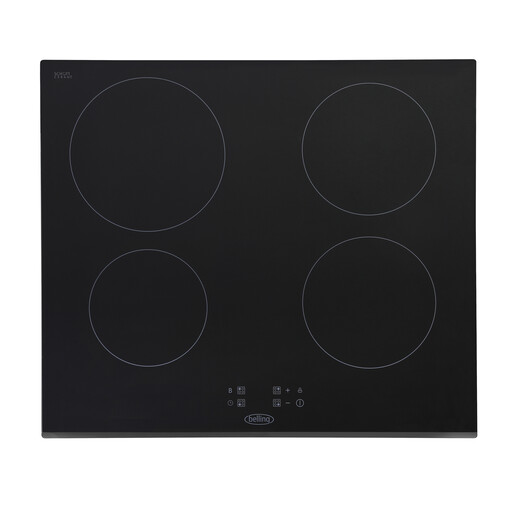 Image unavailable
The 60 cm built-in format is worth checking if you want to cook curry and accompanying dishes on a hob of that nominal width.
Confirm that the zone layout fits your pans, that the worktop opening matches the installation guide and that your electrical supply meets this model’s requirements. Induction-compatible pans are needed.
 Image unavailable
Four zones give you separate cooking positions to assess for curry, rice and sides.
Check the spacing against your usual pans and confirm the required worktop opening and electrical connection before installation. Your cookware must be induction-compatible.
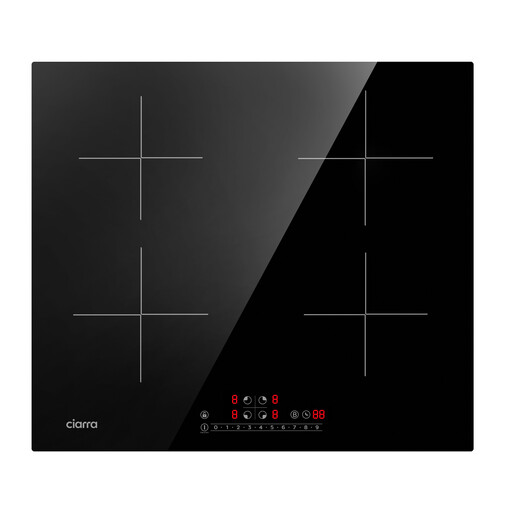 Image unavailable
This model is relevant if you want separate zones for several curry components and touch control over the heat.
The product name specifies four zones, nine power levels and a booster function. Check pan compatibility, the worktop cut-out and the exact electrical installation instructions.
 Image unavailable
Consider this built-in model for a multi-pan curry setup if your kitchen can accommodate a hardwired induction hob.
Its product name specifies a hardwired connection. Check the required cut-out in the installation guide, arrange suitable installation and confirm that your pans work with induction.
They will work if their bases are induction-compatible and magnetic. Bosch states that induction requires magnetic cookware; check each frequently used pot or pan for an induction marking or a base to which a magnet adheres before you buy.
Only if the exact model is specified for that connection. AEG says most induction hobs require hardwiring, while Beko specifies its HIIP64530UFT Plug & Play model for a standard 13 A socket; follow the installation instructions for the hob you choose.
Not necessarily: start by checking whether your usual pans fit comfortably on the available zones. If a large kadai or several pans crowd the layout, consider a suitable bridge or flexible zone, or a wider hob; measure the worktop opening before changing size.
Check the exact hob’s installation instructions and the requirements that apply where it will be installed. GOV.UK’s Approved Document P addresses electrical safety in dwellings in England; it does not establish the requirements for Scotland, Wales or Northern Ireland. Use a qualified installer for built-in electrical work where required.
Follow the hob manufacturer’s cooling and surface-cleaning instructions before wiping away splashes. Do not attempt electrical repairs while the appliance is connected to power; Electrical Safety First advises seeking help if you notice burn marks, arcing sounds or repeated tripping.