For traditional polenta, choose a hob whose low settings are easy to adjust while stirring, with a cooking zone that fits your pan. Induction is an option if the pan has a magnetic base; a ceramic electric hob lets you keep suitable non-induction cookware, but its glass surface heats through elements beneath it. Check the exact model’s worktop cut-out and electrical connection before ordering.
Who this choice affects
Traditional-polenta cooks
If you make polenta that needs sustained cooking, low-heat adjustment and a pan that sits securely on its zone matter more than boost speed. Good Food’s creamy polenta recipe calls for frequent stirring after the heat is reduced.
Large-pan batch cooks
If your polenta pan is wide or long, compare its base with the usable cooking area. A bridge or flexible zone may help when the exact hob model accommodates that pan shape, as the AEG and NEFF model specifications illustrate.
Kitchen-upgrade buyers
If you are replacing a built-in hob, your existing pans, worktop opening and electrical connection all affect the choice. Check the installation instructions for the particular model rather than relying on its nominal width.
What matters when buying
Induction
Consider it when: Your polenta pan has a magnetic base and you want heat generated directly in the cookware.
Trade-off: Existing non-magnetic pans will not work on induction, according to NEFF’s cookware guidance.
Induction with a bridge or flex zone
Consider it when: A large or long pan needs more usable cooking area than one circular zone offers; check the pan fit against the exact model’s zone layout.
Trade-off: AEG’s Bridge and NEFF’s flex zones are model-specific features, not a reason to choose them for a standard round pan.
Ceramic electric
Consider it when: Keeping a suitable non-magnetic pan is more important than switching to induction.
Trade-off: As Which? explains, elements beneath a ceramic hob heat the glass surface, so pay attention to residual heat after cooking.
Good Food’s traditional polenta recipe reduces the heat and calls for frequent stirring for about 25–30 minutes. Use that cooking routine, your pan and the available installation space to decide which checks matter most.
| Concern |
What to check |
Who this matters to |
| Low-heat control |
Look for clearly selectable low settings and controls you can adjust while stirring; do not treat a boost function as a substitute. |
If I stir traditional polenta over reduced heat, I need to change the setting without losing track of the pan. Around 36% of consumers put low-heat control first. |
| Pan and zone fit |
Check for a magnetic pan base if choosing induction, then compare the pan base with the active zone or model-specific bridge area. |
A batch-cooking pan needs a zone that accommodates its base, and I may want to keep using that pan. Pan and zone fit comes first for around 29% of consumers. |
| Installation fit |
Compare the model’s cut-out drawing, electrical loading and connection instructions with your kitchen. |
When replacing a built-in hob, I need the new appliance to fit the opening and electrical setup. Around 21% of consumers make installation fit their primary concern. |
| Surface and clean-up |
Check the control layout and residual-heat indicator, and follow the model’s glass-cleaning instructions. |
After stirring and serving, I want a surface I can manage safely and clean without awkward controls in the way. Surface behaviour and clean-up matter most to around 14% of consumers. |
Mistakes to avoid
-
Choosing induction without checking the polenta pan
Induction requires a magnetic cookware base, so a pan that works on your current hob may not heat on an induction model.
Test the intended pan with a magnet or check its manufacturer’s specification before deciding whether to keep it or change pans.
-
Assuming hobs of similar width install the same way
Connection and cut-out requirements differ by model. AEG specifies a hardwired connection for OIO64B00IB, while Bosch describes PWP611BB5B as Plug & Play.
Compare the exact installation drawing and connection instructions with your worktop opening and electrical setup before ordering.
Depending on the model and kitchen, fitting may also involve an electrician or worktop alterations.
-
Choosing by boil speed alone
Good Food’s traditional polenta recipe calls for reduced heat and frequent stirring for about 25–30 minutes, so boost speed addresses only the earlier heating stage.
Check how the low settings are selected and adjusted, and whether the cooking zone fits the pan you will stir in.
Hob brands to consider
AEG
AEG’s 6000 Bridge OIO64B00IB is relevant if you are considering a built-in induction hob for larger cookware.
- AEG specifies four induction zones and a Bridge function that links two zones.
- For this model, AEG specifies a 560 × 490 mm cut-out, 7,200 W total loading and hardwired installation; check whether those requirements suit your kitchen.
Bosch
Bosch’s PWP611BB5B is a four-zone induction model to consider if a CombiZone and touch controls suit your pan layout.
- Bosch lists a CombiZone, TouchControl and PowerBoost for this model.
- Bosch describes this model as Plug & Play; check its own installation instructions rather than assuming another Bosch hob connects the same way.
NEFF
NEFF’s T69YYV4C0 is relevant when flexible pan placement is a priority, rather than simply cooking polenta in a standard round pan.
- NEFF lists five cooking zones and two flex induction zones for this model.
- Check whether your own cookware would use those flexible areas before making them a deciding feature.
Joybuy hob options
These options include ceramic hobs for cooks keeping suitable non-induction pans and a bridge-zone induction hob for a larger compatible pan. For any model, check low-setting control and installation fit before choosing it for polenta.
 No image available
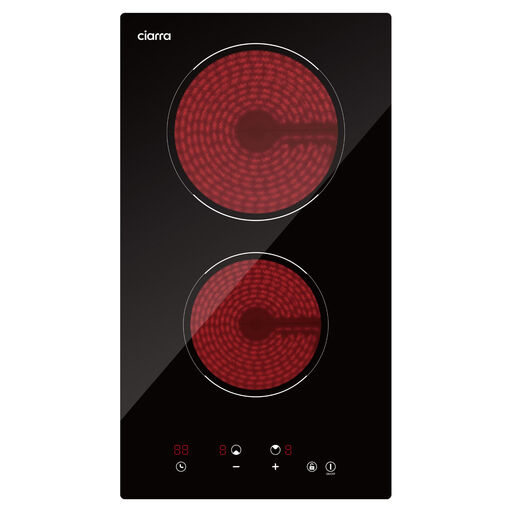
CIARRA CBBCH292T two-zone ceramic hob
Consider this ceramic model if you want a two-zone hob and plan to keep a suitable non-induction polenta pan.
Its stated features include 2,900 W, touch controls, nine power levels, a timer and a child lock. Confirm that the low settings suit sustained cooking, and check the pan fit and installation instructions.
View on Joybuy
 No image available
Belling IHL773 BLK 77 cm induction hob
Consider its flexible bridge if your larger polenta pan has a magnetic base and fits the cooking area.
The title specifies four cooking zones, touch controls and boost mode. Check low-setting control, the pan’s placement and the model’s electrical connection requirements.
View on Joybuy
 No image available
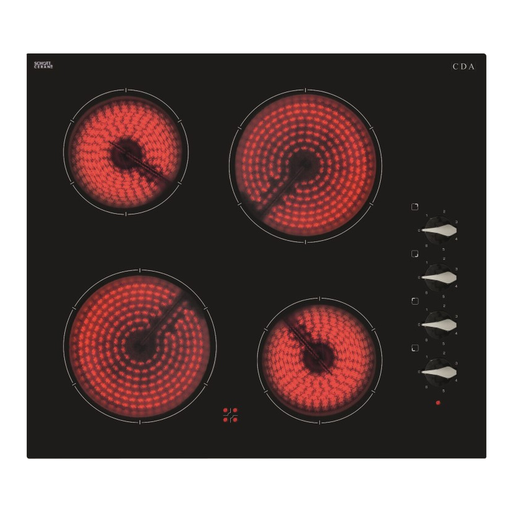
CDA HC6212FR 60 cm four-zone ceramic hob
This ceramic model is an option if you want four cooking zones while keeping suitable non-induction cookware.
It has a frameless black-glass design. Check how its controls handle low heat and confirm the pan-zone fit, cut-out and electrical connection for your kitchen.
View on Joybuy
 No image available
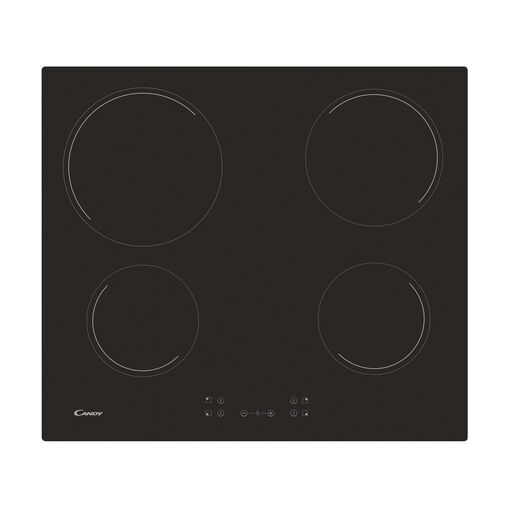
CANDY CH64CCB 59 cm ceramic hob
Consider this ceramic model if retaining suitable non-induction pans is important and its layout fits your kitchen.
Before choosing it for polenta, check the available low settings, the zone size against your pan and the exact cut-out and electrical instructions.
View on Joybuy
Questions about choosing a hob
Can I use my existing polenta pan on an induction hob?
You can use it if its base is suitable for induction; NEFF’s cookware guidance says induction requires a magnetic base. Test the pan or check its manufacturer’s specification before choosing a hob.
Is a boost function useful for traditional polenta?
Boost may be useful when heating water, but low-heat adjustment matters during the longer stirring stage. Good Food’s recipe reduces the heat and calls for frequent stirring for about 25–30 minutes.
Will a hob fit if its stated width matches my old one?
Not necessarily: compare the exact model’s installation drawing with your worktop opening. AEG specifies a 560 × 490 mm cut-out for its OIO64B00IB bridge hob, which is a separate measurement from the hob’s overall width.
Can I assume a new electric hob uses my existing connection?
No; check the chosen model’s connection instructions against your kitchen’s electrical setup. AEG specifies hardwired installation for OIO64B00IB, while Bosch describes PWP611BB5B as Plug & Play, so the requirements should not be inferred from hob size alone.


