Who needs to consider what?

Recipe-card makers using heavier or coated stock

Check the card’s size, weight and coating against the exact printer’s supported media and feed route. Canon’s and Epson’s media guidance shows why a stated maximum weight should not be taken as approval for every card stock.

Shared-studio teams using different devices

Confirm how each phone or computer will connect, then assign responsibility for loading card stock and choosing print settings. Wireless or mobile printing alone does not settle the studio’s access routine.

Studios printing colour cards regularly

Plan who will check supplies and replace cartridges or refill a tank. Manufacturer page and photo yields are useful only on their stated test basis, not as a promised recipe-card count.

What matters when choosing?

Settle media compatibility first; a convenient connection or ink routine cannot make unsupported card stock suitable for a printer.

Concern What to check Who this matters to
Card-stock fit and appearance Match the intended size, coating, weight and feed tray to the exact model’s guidance. Check borderless support at your card size if the design needs it. If the design depends on heavier or coated cards, I need to know they will feed and print as intended before ordering a batch. Around 38% of consumers would make card-media fit their primary concern.
Shared access Confirm studio-network access and printing from the devices members use; decide who controls media loading and paper settings. When several people send jobs from different devices, I want a repeatable process that does not leave the next person with the wrong stock loaded. For around 31% of consumers, shared workflow would come first.
Ink and upkeep Compare ink yields only on like-for-like test bases, and decide who will monitor supplies, change cartridges or refill a tank. With recurring colour batches, I need a supply routine the studio can keep up without mistaking a published page yield for a recipe-card yield. Managing ink and interruptions would be the main concern for around 31% of consumers.

Mistakes to avoid

  • Buying card stock from a maximum-weight figure alone

    The maximum may apply only to a manufacturer’s own media or a particular feed route. Canon lists up to 300 g/m² for Canon photo paper in the PIXMA TS5350i rear tray; that does not establish support for another brand’s recipe-card stock.

    Check the exact card dimensions, coating and feed requirements against the model guidance, then try a small pack with your actual design.

    An unsuitable pack can also mean time spent resolving feeding or print-finish problems.

  • Equating plain-paper speed with card-batch speed

    A standard paper tray’s capacity and a published print speed may not describe the tray, loading quantity or settings needed for recipe cards.

    Confirm the supported card feed, then time a representative batch using the intended media and settings.

  • Treating ink yield as a recipe-card count

    Manufacturer yields are tied to specified pages or photos. Card size, image coverage and print settings can differ from those tests.

    Use the stated test basis when comparing supplies, and plan who will handle cartridge changes or tank refills.

  • Using a PAT label as the whole safety routine

    For a shared UK studio, the Health and Safety Executive says electrical-equipment rules do not prescribe a universal testing method or frequency; inspection needs depend on the equipment and its environment.

    Include visual condition checks, suitable placement and cable management in the studio routine, with further inspection or testing guided by the risks.

Relevant brands to consider

Canon

Selected PIXMA cartridge models offer borderless printing and support for specified creative media, which may suit smaller recipe-card batches.

  • Canon lists borderless printing and Canon specialty paper up to approximately 265 g/m² for the PIXMA TS6550i, subject to its media conditions.
  • The PIXMA TS5350i’s separate 300 g/m² figure applies to Canon photo paper in its rear tray; do not transfer that limit to the TS6550i or to third-party card.

Epson

The EcoTank ET-2870 illustrates a refillable-tank route for studios planning recurring colour printing and an assigned refill routine.

  • Epson rates one ET-2870 ink set for up to 4,500 black and 7,500 colour pages; these are manufacturer page yields, not recipe-card yields.
  • Epson’s general media guidance does not recommend or support third-party media above 90 g/m² for the referenced printers. Check the exact model guidance before choosing card stock.

Brother

The DCP-J1200W is a cartridge option for a studio considering wireless and mobile printing alongside its card-media requirements.

  • Brother lists wireless and mobile connectivity and a 150-sheet input tray for the DCP-J1200W; its Mobile Connect app can monitor supplies.
  • Brother lists media weights from 64 to 220 g/m² for the DCP-J1200W. Confirm that the intended card’s size and finish are supported, and decide who will manage shared app access.

Joybuy product choices

The Canon PIXMA TS6550i is a cartridge inkjet to consider for shared wireless printing and recipe-card designs using media supported by this exact model. Confirm your intended card stock and feed route before choosing it.
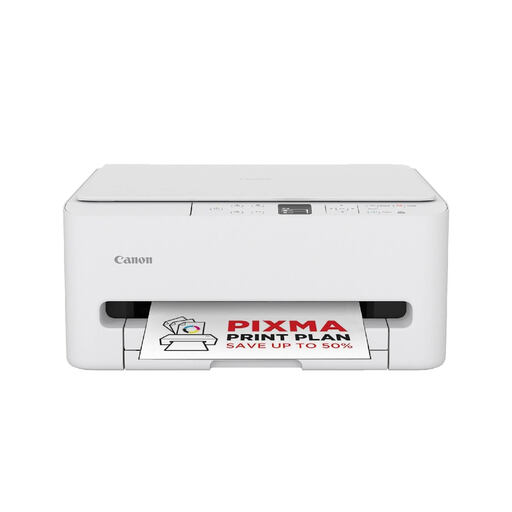
Canon PIXMA TS6550i inkjet printer

Canon PIXMA TS6550i

Consider it if studio members need wireless access and your recipe-card size and stock meet this model’s media conditions.

Canon lists Wi-Fi, borderless printing and support for Canon specialty paper up to approximately 265 g/m². That weight figure does not establish compatibility with third-party card.

Canon states a standard colour-cartridge yield of 69 borderless 10 × 15 cm photos; the number of recipe cards will depend on the design and print settings.

View on Joybuy

Common questions

Can I use any 250–300 g/m² stock for recipe cards?

No: a weight figure alone does not establish that a particular card will work. Canon’s PIXMA TS5350i specification allows Canon photo paper up to 300 g/m² in its rear tray, while Epson’s general guidance cautions against third-party media above 90 g/m² for the referenced printers. Check your exact model’s media, size and feed conditions, including the card’s coating.

How should several people share a recipe-card printer?

Confirm that the chosen printer, studio network and members’ devices can use the same print method, then assign someone to manage setup, card loading and paper settings. Mobile printing can make sending jobs convenient, but it does not prevent a job being sent with the wrong media selected.

Will an ink-yield figure tell me how many cards I can print?

No: published yields describe particular test pages or photos, not your recipe-card layout. Compare figures on their stated basis, then test a representative design to plan the studio’s supply routine.

Does a shared UK studio need annual PAT testing for its printer?

The Health and Safety Executive does not prescribe a universal annual testing frequency for electrical equipment. Keep the printer safely maintained, include visual checks, and determine whether further inspection or testing is appropriate for the equipment and studio environment.