Teachers making frequent class sets
Repeated A4 runs make paper reloading and hand-turning more consequential. A larger tray and automatic duplex for compatible sheets are worth considering alongside a refillable-ink system.


For frequent class sets, start with a refillable-ink A4 printer and prioritise paper capacity and automatic double-sided printing for compatible sheets; a simpler model with manual duplex may be sufficient for occasional runs. Decide whether you will cut cards from A4 sheets or print directly onto card before choosing: the intended card size, weight, finish and feed path need checking against the exact model.
Repeated A4 runs make paper reloading and hand-turning more consequential. A larger tray and automatic duplex for compatible sheets are worth considering alongside a refillable-ink system.
Whether cards are cut from A4 or printed directly changes the media checks. Direct printing calls for confirmation of the intended card size, weight, finish and feed path.
A wireless printer with print, copy and scan functions may cover intermittent preparation. Manual two-sided printing may be manageable when class sets are infrequent.
Decide how the finished cards will be made, then match paper handling and two-sided printing to the frequency of your class sets.
| Concern | Buying checks | Who this matters to |
|---|---|---|
| Frequent class sets | Compare tray capacity and the refillable-ink arrangement; treat stated bottle yields as estimates for the manufacturer’s specified conditions, not card-output promises. | When I prepare repeated batches, stopping to reload paper or replace ink interrupts the work. Around 36% of consumers put fewer such interruptions first. |
| Card-media fit | Check the intended size, weight in g/m², finish and feed path in the exact model’s current manual. | If I print onto pre-cut or heavier cards, I need the printer to accept that particular stock. Around 29% of consumers make media fit their primary concern. |
| Two-sided preparation | Check whether duplex is automatic or manual and which sizes and paper types qualify; test front-to-back alignment. | Turning every sheet by hand would slow my two-sided class sets and make orientation harder to manage. For around 21% of consumers, reducing that work comes first. |
| Occasional-use simplicity | Confirm wireless compatibility with school devices and whether print, copy and scan are needed. | With only intermittent card-making, I want a manageable setup and can accept manual duplex. Straightforward occasional use is the main need for around 14% of consumers. |
Pre-cut cards, heavier stock and A4 sheets cut after printing can call for different sizes or feed paths. Plain-A4 support does not establish suitability for the intended card.
Choose the card-making method first, check the stock against the exact model’s media guidance, and test a small batch before preparing a class set.
Brother specifies automatic duplex on plain and recycled paper for the DCP-T780DW, while Canon specifies manual two-sided printing for the PIXMA G3570. Neither description makes every card stock eligible for automatic duplex.
For frequent two-sided work, establish whether compatible A4 sheets can be printed and cut into cards. If turning sheets manually, check orientation and alignment with a short run.
Manual turning adds preparation time and can mean reprinting sheets if the sides do not align.
Refillable-ink printers still differ in paper capacity, duplex method and feed arrangements. Those differences affect how often a teacher needs to intervene during a batch.
For frequent class sets, assess the tray and two-sided workflow as well as the ink system; for occasional runs, decide which handling features you will actually use.
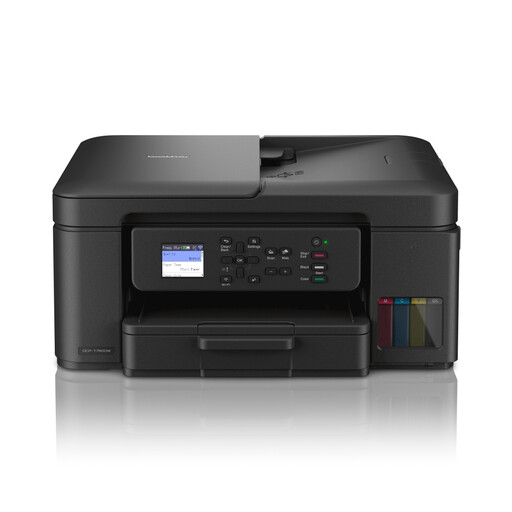
Brother’s DCP-T780DW is a refillable-ink option to examine when repeated A4 batches and paper handling are priorities.
The EcoTank ET-2950 is an A4 multifunction option for buyers considering refillable ink and double-sided sheet printing.
The PIXMA G3570 series is relevant where a listed card format and wireless print, copy and scan functions matter.
HP’s Smart Tank ranges offer refillable-ink alternatives with different approaches to two-sided printing.
These inkjet choices include refillable-tank models and a wireless alternative for preparing revision-card sheets. Check the intended stock and two-sided workflow for the exact printer before ordering.
 No image available
Consider this model for frequent class sets printed on A4 sheets. Brother UK specifies a 150-sheet tray, automatic duplex for plain and recycled paper, and a manual feed slot; confirm the intended card stock and feed path separately.
 No image available
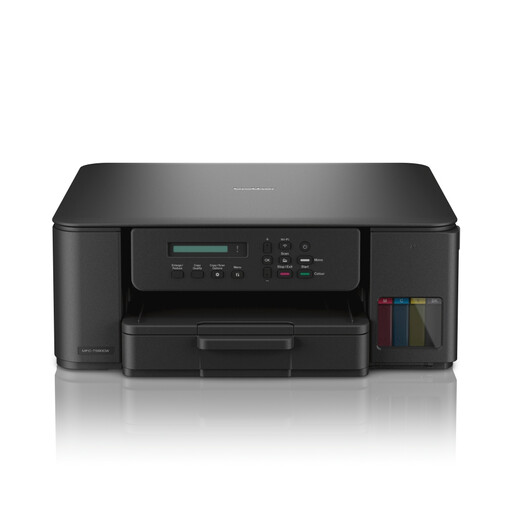
This wireless ink-tank model is another option to assess for repeated A4 revision-card layouts. Check its current manual for the intended card size, weight and feed path, and for the paper types eligible for two-sided printing.
 No image available
For repeated A4 class-set runs, assess its paper-loading and two-sided printing arrangements against the batch size you expect. Confirm direct-card compatibility and duplex media limits for the stock you intend to use.
 No image available
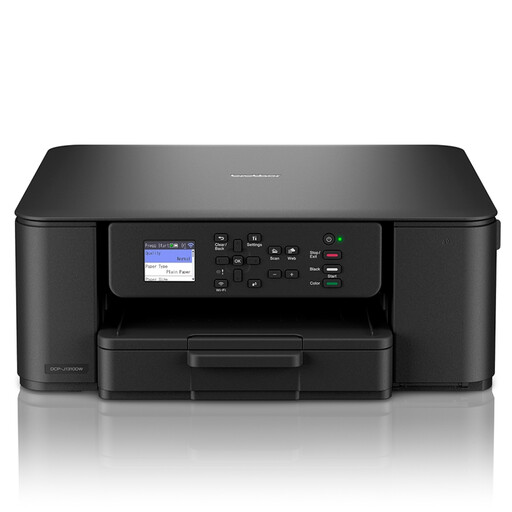
This wireless inkjet is worth considering for occasional A4 revision sheets. If frequent class sets are planned, compare its replacement-ink arrangements with refillable-tank options, and check card-stock and duplex media support.
Automatic duplex is useful when you regularly print double-sided A4 sheets to cut into cards. It does not necessarily cover card stock: Brother specifies plain and recycled paper for automatic duplex on the DCP-T780DW, whereas Canon specifies manual two-sided printing on the PIXMA G3570.
You can consider direct printing if the exact stock is supported by the printer’s size, weight and feed specifications. Canon UK lists a 91 mm × 55 mm card size and specified cardstock for the PIXMA G3570 series; that does not establish compatibility with every coated or pre-cut card. Check the model manual and try a small batch.
In Great Britain, annual portable appliance testing is not automatically a legal requirement for a classroom printer. The Health and Safety Executive says the Electricity at Work Regulations 1989 require relevant electrical equipment to be maintained to prevent danger, but do not prescribe annual testing or make testing itself a legal requirement. Inspection and testing arrangements should reflect the equipment and its environment.
Include the printer in the school’s electrical-equipment maintenance arrangements, check for transit damage and follow the manufacturer’s setup instructions. The Health and Safety Executive says visual examination is an essential part of electrical maintenance, with measures chosen for the equipment and environment.