What matters when choosing?
Start with the usual A4 letter batch, then assess ink replenishment and any shared scanning or copying. Treat confidential-output handling as a separate decision: printer features do not replace a collection routine.
| Concern | What to check | Who this matters to |
|---|
| Uninterrupted letter batches |
Compare A4 paper capacity with your usual batch and confirm automatic two-sided printing for the paper you use. |
If letters go out in recurring batches, I want to avoid stopping to reload paper or turn sheets. Around 33% of consumers put batch-printing continuity first. |
| Recurring ink use |
Compare the ink system, replacement-ink options and published yield conditions against your expected black and colour pages. |
When I print letters regularly, I need an ink arrangement that makes sense for my volume, not just an attractive yield figure. About 27% of consumers prioritise recurring ink use. |
| Shared paperwork workflow |
Confirm the connection allowed on the school network and the document feeder’s capacity if staff scan or copy multi-page originals. |
If several staff members use one device, I need a workable way to connect and handle accompanying paperwork. Roughly 20% of consumers make shared workflow their primary concern. |
| Confidential letters |
Check who can reach the output area and how staff will collect and store letters containing personal data. |
When a letter contains personal details, I do not want it left where others can pick it up. Around 20% of consumers put confidential handling first. |
Joybuy printer options
These printers are options to assess for appointment-letter printing, from recurring batches to shared classroom paperwork. Compare each model’s paper handling and consumables with your own workload.
 No image available
Canon MAXIFY GX6150
Consider this option for recurring letter batches and shared paperwork tasks. Check its paper handling against a typical run and compare replacement ink with your expected volume.
View on Joybuy
 No image available
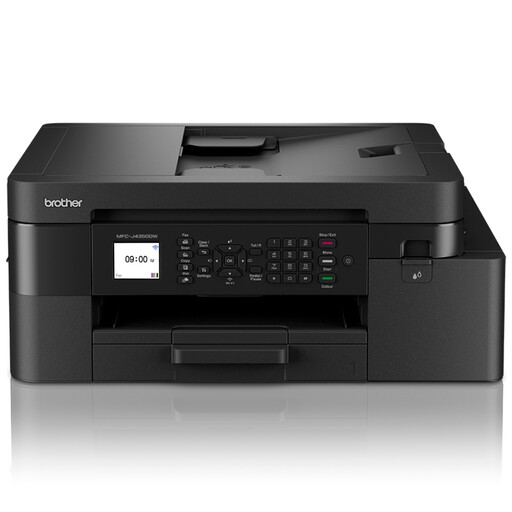
Brother MFC-J4350DW All-in-One Inkjet Printer
For A4 letters alongside occasional copying or scanning, this all-in-one inkjet is an option to compare. Check whether its paper capacity accommodates a normal batch without reloading.
View on Joybuy
 No image available
Brother MFC-J6760DW All-in-One Inkjet Printer
For a shared printer handling letter batches and other office paperwork, assess this all-in-one inkjet against the available space. Confirm its ink consumables and whether any additional paper tray is included.
View on Joybuy
 No image available
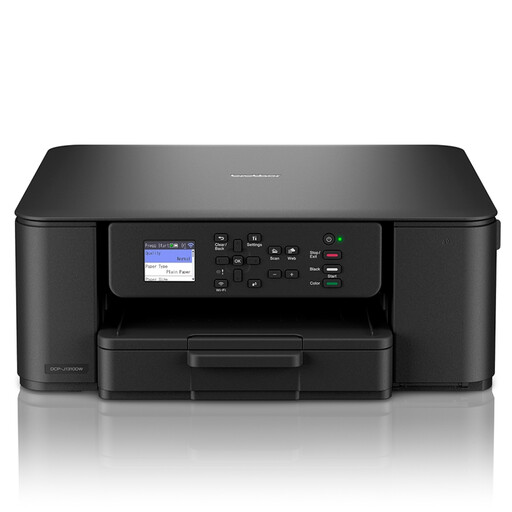
Brother DCP-J1310DW Wireless Inkjet Printer
For letter printing where a wireless connection and a smaller workspace matter, compare this inkjet with your normal batch size. If staff scan multi-page originals, confirm whether a document feeder is included.
View on Joybuy
Common questions
Do school appointment letters require a particular type of printer?
Choose a printer that fits the school’s arrangements for handling personal data, rather than relying on a printer category as a safeguard. The Department for Education’s school data-protection guidance addresses the wider handling of personal data; check how staff will access the device, collect output and store letters.
What should staff do after printing confidential letters?
Collect the letters promptly and check the shared printer for pages or originals left behind. The Information Commissioner’s Office specifically advises users of shared printers and photocopiers to make that check.
When is automatic two-sided printing useful for appointment letters?
It is useful when letters or accompanying documents are printed on both sides, because staff need not turn the sheets manually. Confirm automatic two-sided support for the A4 paper you intend to use; Brother UK specifies it for the MFC-J4540DW, and HP specifies automatic duplex printing for the OfficeJet Pro 9120 series.
What should a school check before disposing of an old printer?
Check the school’s electrical-equipment collection route before the printer is removed. UK government guidance covers waste electrical and electronic equipment; for Scottish organisations, the Scottish Environment Protection Agency’s business guidance also addresses carriers, transfer records and suitable receiving sites.


