What should you check before buying?
For knitting-pattern printing in a UK home office, start with your print volume, then decide whether automatic duplexing and additional document-handling features will be useful. Check PDF settings separately: printer features alone cannot preserve the intended scale of a chart.
| Concern |
What to check |
Who this matters to |
| Frequent printing |
Compare the exact model’s ink system, stated yield conditions and A4 tray capacity. |
If I print working copies regularly, I want fewer interruptions to replace ink or reload paper. Around 36% of consumers put frequent printing first. |
| Automatic duplexing |
Look for explicit automatic two-sided printing support for your intended paper size and type. |
For long patterns I keep double-sided, reinserting sheets interrupts the job. Automatic duplexing is the main priority for around 29% of consumers. |
| Page scale and charts |
Confirm A4 support; preview the PDF sizing and print a page with a scale reference or small symbols. |
I need chart symbols and any scale reference to remain usable when I print a PDF; around 21% of consumers put accurate page setup first. |
| Other office tasks |
Check scan and copy functions, ADF and tray capacity, and compatibility with your devices. |
When patterns share a desk with scanning and copying, I want the extra document-handling features to earn their space. Broader home-office tasks come first for around 14% of consumers. |
Joybuy product choices
These inkjet choices cover pattern printing alongside different levels of home-office use. Compare each model’s paper handling and ink system with the tasks you will actually do.
 No image available
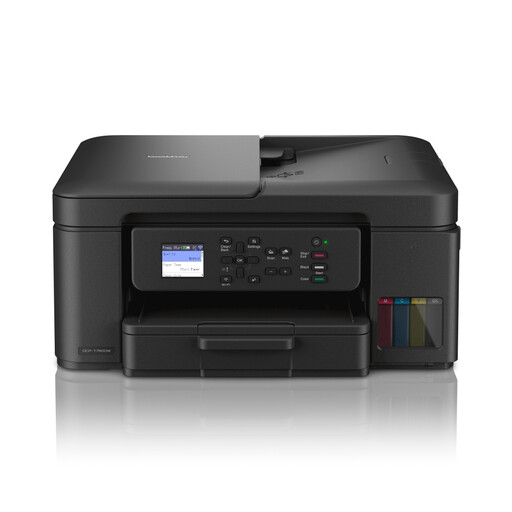
Brother DCP-T780DW 3-in-1 wireless ink-tank printer
Consider this model if you print patterns alongside multi-page scanning or copying. Brother specifies A4 printing, automatic duplexing, a 150-sheet tray and a 20-sheet ADF for the DCP-T780DW. Check duplex support for your intended paper and compatibility with your device.
View on Joybuy
 No image available
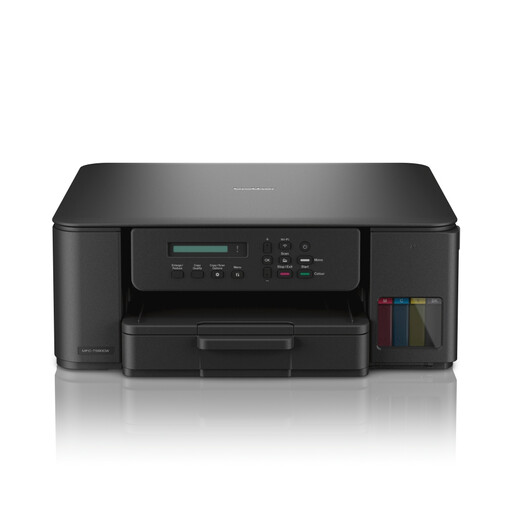
Brother DCP-T580DW 3-in-1 wireless ink-tank printer
For pattern printing alongside other household documents, consider whether this wireless ink-tank model suits your workload. Confirm its A4 and automatic-duplex specifications for the paper you intend to use, and check its document-feeding features if you scan multi-page originals.
View on Joybuy
 No image available
Canon MAXIFY GX6150
If patterns are part of a larger home-office workload, check whether the GX6150’s paper handling and document functions meet your needs. Confirm A4 and duplex support for your paper, plus compatibility with the computer or mobile device you will print from.
View on Joybuy
 No image available
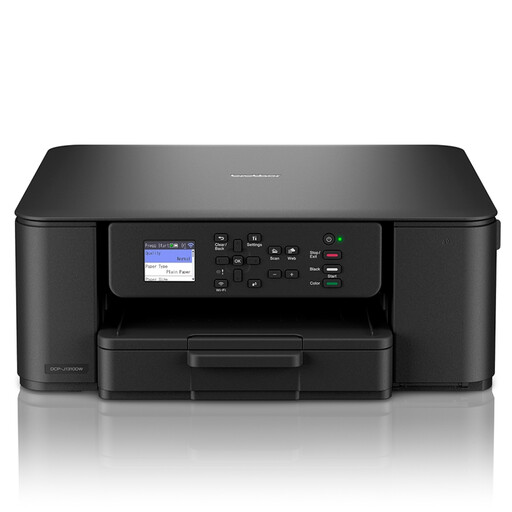
Brother DCP-J1310DW wireless inkjet printer
Consider this wireless inkjet if you need to print patterns alongside other documents. Check its ink system and replacement supplies against your expected print volume, and confirm its duplex and document-feeding features for the exact model before relying on them.
View on Joybuy
Common questions
Do I need automatic duplexing for knitting patterns?
No, but it is useful if you regularly print long patterns on both sides and do not want to reinsert sheets. Canon specifies manual two-sided printing for the PIXMA G3570, while Brother lists automatic duplexing for the DCP-T780DW; check the specification of the exact printer you are considering.
How can I avoid printing a chart at the wrong size?
Check the PDF preview, A4 setting and page-sizing option before printing. Adobe explains that PDF pages can be fitted to paper or scaled by a chosen percentage; if your pattern has a test square or scale reference, print and measure one page first.
Can I rely on a stated ink yield for my patterns?
Treat a stated yield as a comparison figure under the manufacturer’s test conditions, not as your guaranteed page count. Text-heavy instructions and colour charts may use different amounts of ink, so check the yield basis for the exact model against the pages you expect to print.
What should I do with an old printer in the UK?
Check your local council’s electrical-waste collection instructions before disposing of an old printer. Oxfordshire County Council classifies equipment with electrical components as waste electrical and electronic equipment; GOV.UK identifies the UK’s Waste Electrical and Electronic Equipment Regulations 2013, as amended, as the underpinning legislation.


