What matters when choosing?
Start with the ticket stock you will actually print on, then consider batch size and whether a larger sheet changes your layout.
| Concern |
What to check |
Who this matters to |
| Ticket-stock feeding and legibility |
Check the exact model’s supported paper weight, finish and feed path; print a numbered test sheet on your intended stock. |
I need numbers and draw details to remain readable on the card or perforated sheets I plan to use; around 36% of consumers put ticket-stock compatibility first. |
| Recurring-batch capacity |
Compare paper-input capacity and ink arrangements with your usual batch size; do not treat a stated page yield as a ticket count. |
When I prepare tickets for recurring fundraisers, I want fewer paper and ink interruptions; roughly 29% of consumers prioritise keeping batches moving. |
| A3 or A3+ layout |
Confirm the printable size and media feed, then test ticket dimensions, margins and cut lines on a full sheet. |
For larger tickets or more artwork, I need space for the layout without crowding the cut lines; about 21% of consumers put larger-sheet flexibility first. |
| Occasional-use simplicity |
Check device connectivity and whether the printer’s supported media covers your small ticket run. |
If I print for a single event, I want a straightforward way to set up and check the sheets without unused batch capacity; around 14% of consumers put occasional-use simplicity first. |
Joybuy printers for these scenarios
These choices offer models to consider for occasional A4 ticket sheets, recurring batches and layouts that may need larger paper. Check each model against your intended ticket stock before choosing.
 Image unavailable
Canon MAXIFY GX6150
Consider this model for repeated A4 ticket runs if its paper supply and ink routine suit your batch size. Check its supported paper weight and feed path before using your chosen ticket sheets.
View on Joybuy
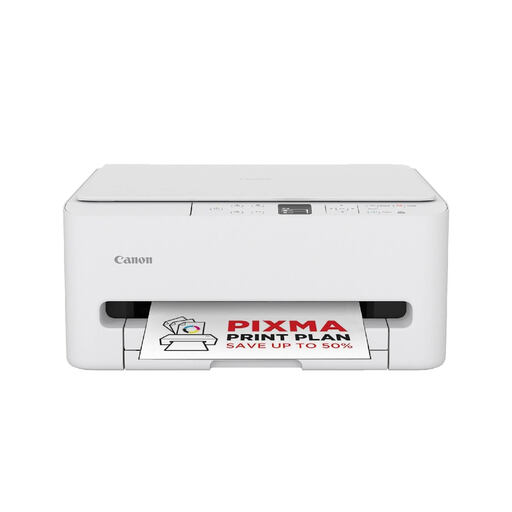 Image unavailable
Canon PIXMA TS6550i
For an occasional A4 ticket run, check whether this model’s connections suit the device you use to prepare the artwork. Confirm its supported ticket-sheet weight and finish before printing a batch.
View on Joybuy
 Image unavailable
Brother MFC-J6760DW All-in-One Inkjet Printer
If your raffle-ticket layout calls for larger sheets, compare this model’s supported paper size with the finished artwork. Confirm compatibility with the exact card or perforated sheets you intend to feed through it.
View on Joybuy
Raffle-ticket printing questions
Do raffle tickets need particular wording?
The wording requirements depend on the lottery type. The Gambling Commission says tickets for a small society lottery must carry specified details; for an incidental lottery at an event, it sets no particular printed wording, provided the winning tickets can be identified. Check the complete requirements for your category before finalising artwork.
Can I sell tickets online or before an event raffle?
Not if it is an incidental lottery at an event: Gambling Commission guidance says tickets must be sold at the event location while it takes place, not online or in advance. Small society lotteries follow different sales rules, so establish the lottery category before arranging distribution.
Do I need to register or obtain a licence before printing tickets?
Printing itself does not determine whether registration or a licence is needed; the lottery type and scale do. The Gambling Commission says qualifying incidental lotteries at events do not require its licence, while small society lotteries require registration with the local licensing authority and larger-scale lottery activity can require a Gambling Commission licence. Establish the applicable category before printing or selling tickets.
Can any inkjet printer use thick card for raffle tickets?
No: card compatibility depends on the exact printer and stock. Check supported media types, weights and feed routes, then test the intended sheets; Epson’s guidance cautions against assuming that third-party heavyweight media will feed reliably.


