
24/7 Customer Support

Free returns

Same-day & Next-day Delivery

Quality Guaranteed

Unlock Your Welcome Offers: FREE Delivery | Up to 80% OFF | Free 30-day JoyPlus trial
Download the APP
By the Joybuy Product Recommendation Officer
Choosing an insect killer is rarely as simple as picking the bottle with the strongest-looking label. A spray for a wasp is not automatically suitable for ants, plant pests or mosquitoes, and the wrong format can create unnecessary mess, safety concerns or repeat spending.
Flying insects, crawling insects, biting insects and plant pests behave differently. A wasp and fly killer may provide rapid knockdown when sprayed directly, but it will not replace an ant and cockroach killer or a dedicated plant bug killer. Likewise, a mosquito repellent designed for skin should not be sprayed on furniture, plants or vehicle surfaces.
Identify the pest first, then check the product label for its approved use and coverage.
A stated duration depends on application, ventilation, temperature, humidity, rain, surface type and pest activity. A powder may remain in place for weeks in a dry crack, while an outdoor spray can lose performance after rainfall. A plug-in mosquito repellent may be specified for a certain number of nights, but that figure relates to the included refill and normal usage conditions.
Use duration claims as a planning guide rather than a guarantee. Check whether the product needs reapplication and whether replacement refills are available.
Some insect-control products contain active ingredients that require careful handling. Aerosols can be flammable, powders may be harmful if inhaled or swallowed, and topical DEET insect repellent is not suitable for every age group. Products may also be toxic to aquatic life or unsafe around fish, pets and food.
Before buying, review the full label, active ingredients, ventilation instructions, age restrictions, storage advice and disposal guidance. Never transfer a biocidal product into another container.
Start with the target problem:
The format also affects convenience. Sprays provide targeted application, traps work continuously while positioned correctly, and plug-in devices require a suitable socket and replacement refills.
Look for the named active ingredient and concentration rather than relying on phrases such as “powerful” or “professional”. For example, the supplied ant and cockroach powder contains 0.05% deltamethrin, while the Jungle Formula spray contains 50% DEET and is listed for adults and children from 18 years of age.
A higher concentration is not automatically suitable for every situation. DEET products must be applied only to exposed skin as directed, avoiding eyes, lips, damaged skin, food, plastics and lacquered surfaces. Wash or remove the product according to the label after use.
For biocides sold in Great Britain, check the packaging for the required product information and follow the directions supplied with the specific formulation. If the online listing and packaging differ, the packaging should take priority.
A 300ml aerosol may be convenient for occasional treatment, while a 1-litre plant spray is more suitable for several pots, a conservatory or repeated applications. For a plug-in, calculate the refill period and the cost of compatible replacements. With reusable insect traps, check how they are cleaned, reset or replaced.
Buying a large pack only saves money if the product is suitable for the infestation and can be stored safely. Keep aerosols, powders, sprays and refills away from children, pets, heat and food areas.
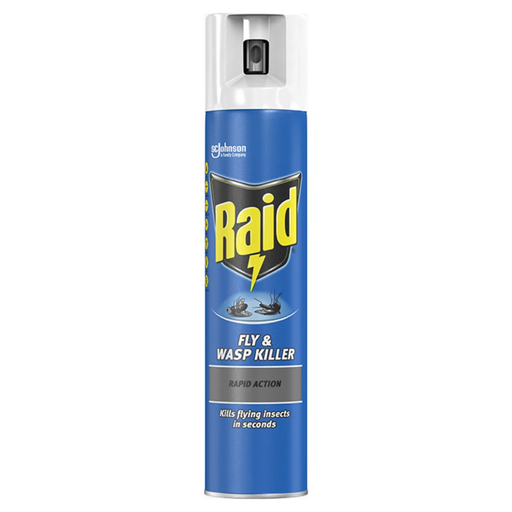
Why This Fits Their Persona: A practical option for households needing occasional indoor control of several flying insects without installing equipment.
Its listed coverage includes mosquitoes, flies, wasps, hornets and yellow jackets. It is clearly specified for indoor use, helping prevent unsuitable outdoor application.
300ml aerosol format; supplied directions cover direct application, room treatment and ventilation.
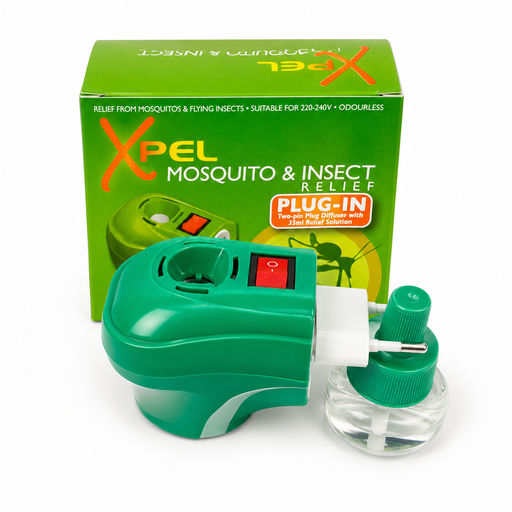
Why This Fits Their Persona: Suitable for shoppers who prefer a discreet indoor format for bedrooms, lounges, hotels or compatible holiday accommodation.
The listing specifies indoor use, a 220–240V supply and a European two-pin plug, so socket compatibility can be checked before travel.
Includes a 35ml refill; listed usage is up to 45 nights; odourless diffuser design avoids aerosol application.
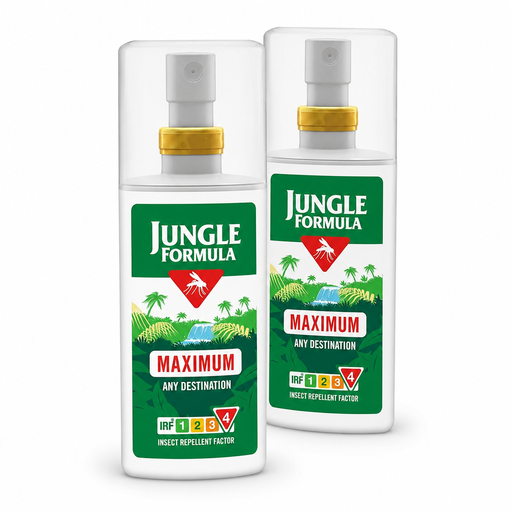
Why This Fits Their Persona: Designed for adults travelling to tropical destinations or spending extended periods camping, gardening or outdoors.
The 50% DEET concentration and stated 18+ age restriction are clearly provided, reducing the risk of treating it as a general household spray.
Two 90ml pump sprays; intended for external use; listed protection covers mosquitoes, ticks and other biting insects.

Why This Fits Their Persona: A low-mess starting point for houseplant owners dealing with fungus gnats, aphids, thrips or whitefly.
The product is described as odourless, poison-free and insecticide-free, making its function clear: trapping visible pests rather than treating the plant with a liquid chemical.
Six water-resistant adhesive sticks; suitable for indoor plants and easy to dispose of in household waste when full.
We have compiled a complete, real-time list of products that fully satisfy these strict selection criteria and UK safety regulations.
Choose a product specifically labelled for indoor flying insects, such as flies and mosquitoes. An aerosol may suit occasional sightings, while a plug-in can provide a hands-off format for suitable indoor rooms. Follow ventilation and re-entry instructions carefully.
It varies by format. The XPEL diffuser listing specifies up to 45 nights for its included 35ml refill, while adhesive plant sticks are described as remaining sticky for months under suitable conditions. Outdoor exposure, dust and the number of insects caught can reduce usable life.
Compare the initial price with pack size, coverage and replacement needs. An aerosol may have a lower starting cost but require repeat cans. A plug-in involves compatible refills, while reusable insect traps may reduce replacement frequency if they can be cleaned or reset. Always prioritise the correct pest coverage and safe application over the lowest purchase price.