
24/7 Customer Support

Free returns

Same-day & Next-day Delivery

Quality Guaranteed

Unlock Your Welcome Offers: FREE Delivery | Up to 80% OFF | Free 30-day JoyPlus trial
Download the APP
Finding an insect killer is rarely as simple as choosing the largest can or the product with the longest-lasting claim. Ants, silverfish, moths, fleas, wasps and mosquitoes behave differently, while kitchens, lofts, bedrooms, gardens and travel accommodation each require a different approach.
The wrong product can waste money, leave untreated areas or create avoidable risks for children, pets, food and aquatic environments. Use this guide to compare household pest control options by pest type, application method and treatment area.
A flying insect killer spray may be suitable for flies or mosquitoes but is unlikely to be the most practical choice for ants travelling through cracks or silverfish hiding behind skirting boards. Similarly, a moth treatment for wardrobes should not automatically be used on clothing or pet bedding.
Start by identifying the pest and where it is active. Look for wording such as ant killer, crawling insect killer, clothes moth treatment or mosquito repellent, rather than relying on broad phrases such as “multi-insect”.
A product may cover a stated area, but this does not mean every insect in a property has been treated. Powders are generally suited to dry insect runs, cracks and crevices, while sprays treat specified surfaces. Fumigators and bombs are designed for room or area treatments and require careful preparation.
Check the label for treatment area, application rate and stated duration. For example, some powders in this range cover approximately 15m², 30m² or 45m², while a plug-in mosquito diffuser is intended for a smaller indoor room.
Insecticides are biocidal products. “Natural” does not mean suitable for every surface, room or household situation. Some products contain active ingredients such as permethrin, cypermethrin, deltamethrin, prallethrin or pyrethrins, and may be harmful to aquatic life or irritating if inhaled or transferred to skin.
Always read the packaging before use. Remove or cover food, keep children and pets away as directed, protect fish tanks and bird cages where required, and ventilate treated rooms according to the label.
Some products are intended for adult insects; others also specify eggs or larvae. A flea killer spray, for example, may be designed for carpets, rugs, cushions and pet bedding areas, but must not be sprayed directly on animals. Clothes moth treatments may target moths and larvae on suitable surfaces but have restrictions regarding direct application to clothing.
For bed bugs, identify likely harbourages around bed frames, skirting boards and furniture. A spray or bomb should not be treated as a substitute for thorough cleaning, laundering and professional advice where an infestation is widespread.
Choose the format that matches the location:
Compare the stated coverage rather than the container size alone. A 450g ant powder may cover up to 45m², while a 150g silverfish powder is designed for a smaller area. A mosquito diffuser refill may last up to 45 nights when used for the stated number of hours, but only with a compatible device and suitable socket.
For UK homes, also check whether the product is intended for indoor, outdoor or both settings. Never assume a garden product is suitable for kitchens, bedrooms or edible plants.
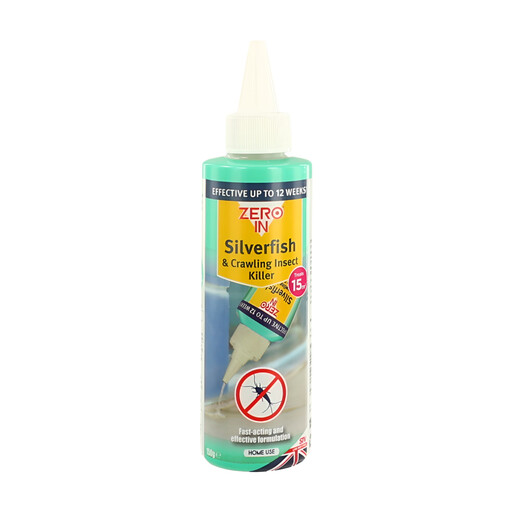
Why This Fits Their Persona: A targeted powder format for renters and homeowners dealing with silverfish or crawling insects in dry cracks and crevices.
Its puffer nozzle supports precise application instead of dispersing product across unsuitable surfaces. Check the stated area and six-week or label guidance before reapplying.
150g powder; treats up to 15m² according to the product description; contains permethrin.
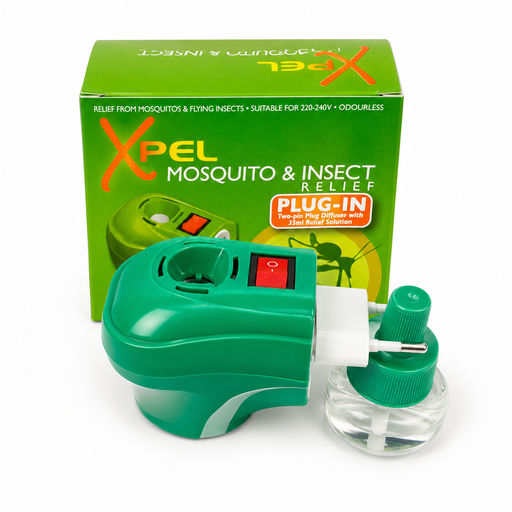
Why This Fits Their Persona: Suitable for shoppers wanting discreet mosquito control at home, in hotels or in holiday flats using compatible 220–240V sockets.
It states the European two-pin plug, voltage range and refill compatibility, helping travellers avoid an unsuitable connection or replacement cartridge.
35ml refill; stated use of up to 45 nights; odourless formula and indoor-only design.
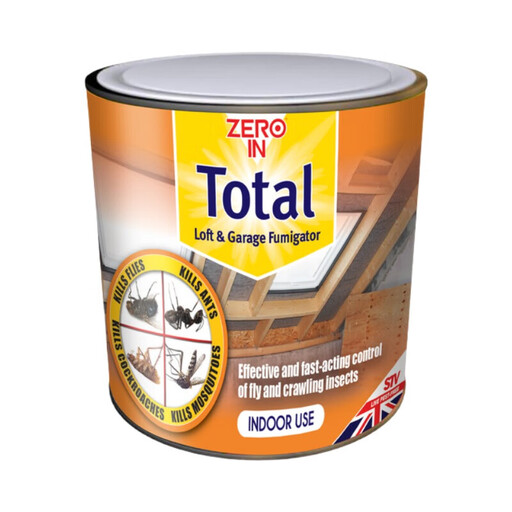
Why This Fits Their Persona: Designed for lofts, garages, attics and storage spaces where cracks, corners and inaccessible areas can be difficult to treat manually.
The product is clearly positioned for non-wet-cleaned indoor areas, reducing the risk of using a fumigator in unsuitable kitchens or bathrooms.
Ready-to-use smoke generator; intended for crawling insects, house flies and mosquitoes; designed for total-area treatment.
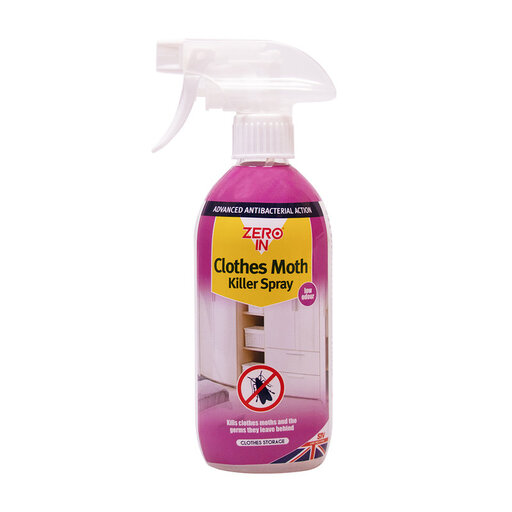
Why This Fits Their Persona: A surface treatment for wardrobes, drawers and cupboards where clothes moths may be active around storage areas.
The description specifies surface treatment and says not to apply directly to fabrics, clothes or pet bedding, making the usage boundary clear.
500ml water-based, solvent-free formula; intended for porous and non-porous surfaces; contains cypermethrin and benzalkonium chloride.
We have compiled a complete, real-time list of products that fully satisfy these strict selection criteria and UK safety regulations.
Duration depends on the product and surface. Some powders state protection for several weeks, while a mosquito plug-in refill may provide up to 45 nights under specified use. Reapply only when the label permits and avoid assuming that a longer claim applies to every surface or pest.
Some products can treat areas such as carpets, rugs or pet baskets, but they should not be sprayed directly onto animals. Remove pets during application and return them only when the label says the area is safe and dry. Always check the individual product instructions.
They can be intended for indoor use, but only in the locations and quantities stated on the label. Apply powders to suitable dry cracks, crevices or insect trails, avoid inhaling dust, keep them away from food and prevent access by children and pets.