
24/7 Customer Support

Free returns

Same-day & Next-day Delivery

Quality Guaranteed

Unlock Your Welcome Offers: FREE Delivery | Up to 80% OFF | Free 30-day JoyPlus trial
Download the APP
Buying an insect repellent and killer can seem straightforward until you compare products and discover that each one is designed for a different pest, surface or situation. A mosquito repellent for tropical travel will not solve a flea problem, while a household insect killer spray may be unsuitable for skin, plants or pet bedding.
The most common buying mistakes are easy to avoid:
Check the active ingredient and the pest list on the packaging. Common UK household pest-control ingredients include permethrin, tetramethrin, cypermethrin, prallethrin, deltamethrin and cyphenothrin. Their suitability depends on the formulation and approved use, not simply the ingredient name.
For personal protection, DEET insect repellent is commonly selected for travel and outdoor activities. The Jungle Formula product listed below contains 50% DEET and is intended for adults and children aged 18 or over. It is not a household insect killer and should only be applied as directed to exposed skin.
For indoor problems, select a product specifically labelled for the pest involved:
Aerosols may be suitable for direct treatment or room treatment, but they require ventilation and careful preparation. Powders can reach cracks and insect trails but may be inappropriate around food, soft furnishings, pets or aquariums.
Always check:
For example, the Raid Rapid Action Wasp, Mosquito & Fly Killer is described for indoor use, with directions involving room closure, a waiting period and thorough ventilation. Following those instructions is part of using the product correctly.
UK biocidal products should be used according to their label and packaging instructions. Look for hazard warnings, registration information and storage guidance. Aerosols may be highly flammable, while some powders and surface treatments can be harmful if inhaled, swallowed or released into waterways.
Do not mix insecticides. Keep products in their original containers, away from children, pets, food and animal feed. Cover aquariums and animal cages where required and prevent powder or liquid from entering drains.
For persistent infestations such as bed bugs, fleas or cockroaches, one application may not address eggs, larvae or hidden harbourages. Follow the label’s reapplication instructions and consider professional pest-control advice if the problem continues.
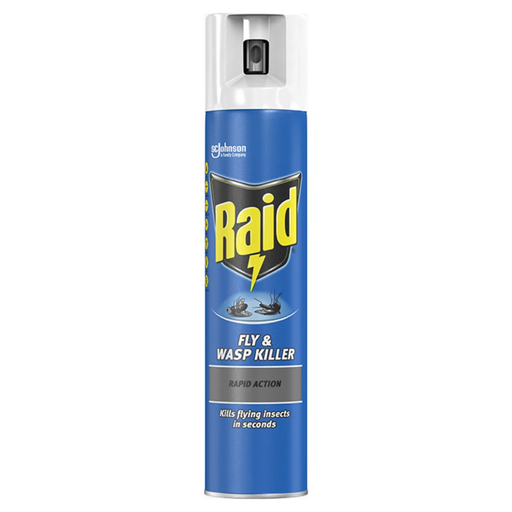
Why This Fits Their Persona: A practical option for UK households needing a flying insect killer for occasional indoor problems involving flies, mosquitoes or wasps.
Its stated indoor-use directions specify room treatment, a 15-minute waiting period and ventilation, helping shoppers plan use rather than spray indiscriminately.
Aerosol format; intended for direct application and room treatment; contains 300ml.
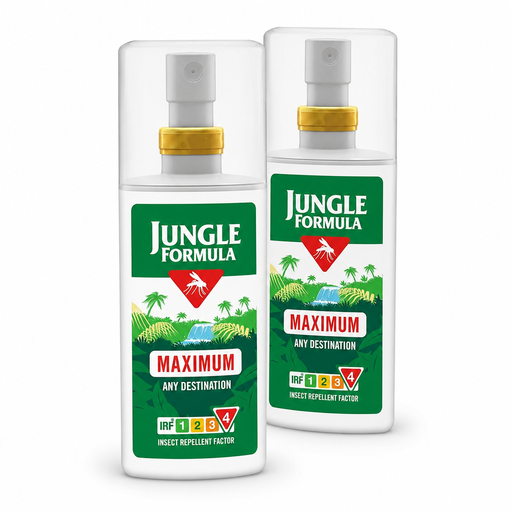
Why This Fits Their Persona: Suited to adult travellers visiting tropical destinations, as well as campers, festivalgoers and gardeners wanting personal mosquito and tick protection.
The 50% DEET concentration and stated age restriction make its intended use clearer than choosing a general household spray for skin.
50% DEET formula; pump spray; supplied as two 90ml bottles; designed for external use.
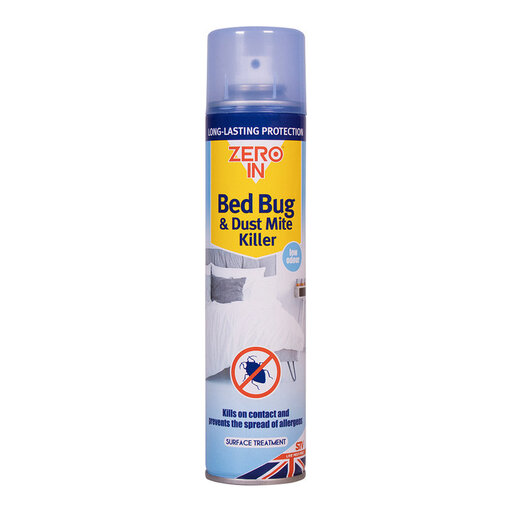
Why This Fits Their Persona: Designed for shoppers addressing bed bugs or dust mites around bed frames, skirting boards and specified hard or soft furnishings.
It is labelled for the specific bed bug and dust mite use case rather than relying on a general flying insect killer.
300ml spray; contact action; stated protection for over two weeks; indoor-use formulation.
We have compiled a complete, real-time list of products that fully satisfy these strict selection criteria and UK safety regulations.
No. DEET is a personal insect repellent intended to help deter biting insects from treated skin. It is not a replacement for an indoor insect killer spray, ant and cockroach treatment or household pest-control product.
The duration depends on the product and surface. Some treatments state protection for several weeks or months, while aerosol knockdown products are primarily intended for immediate control. Reapplication must follow the label and cleaning treated areas may reduce residual action.
Identify the pest first, then choose a product approved for that insect and location. Persistent bed bugs, cockroaches, fleas or wasps may require repeated treatment, improved hygiene and professional assistance if DIY products do not resolve the issue.