
24/7 Customer Support

Free returns

Same-day & Next-day Delivery

Quality Guaranteed

Unlock Your Welcome Offers: FREE Delivery | Up to 80% OFF | Free 30-day JoyPlus trial
Download the APP
Busy mornings do not always leave time for porridge pans, blenders or a full breakfast. Instant cereal powder sachets offer a convenient alternative: open one portion, add hot water and stir. They are useful for commuters, students, families and anyone who enjoys Chinese-style breakfast drinks or traditional grain-based snacks.
However, attractive packaging can hide important details. Before buying, check the portion count, ingredient list, allergens and preparation method rather than relying on phrases such as “nutritious”, “natural” or “reduced sugar”.
A product labelled 838g cereal powder may not contain 838g of breakfast powder. Several Family Whole products include 700g of cereal, oatmeal or soup powder in 20 sachets, plus 138g of pure glucose in two larger sachets.
That means the main serving size is generally 35g, not the full pack weight. Check how many single-serve breakfast sachets are included and calculate the cost per serving before comparing products.
Reduced sugar oatmeal with milk can contain less added sugar than another recipe, but it is not necessarily low in carbohydrates or calories. The supplied nutrition information lists 17g sugars per 100g for the reduced-sugar oat flakes with milk. By contrast, the red date and raisin oatmeal lists 28g sugars per 100g.
Pure glucose sachets are also separate from the main cereal. Adding them increases sweetness and carbohydrate intake, so use them according to personal preference and dietary requirements.
Many Chinese breakfast cereal products contain combinations of oats, wheat, barley, soy, milk, peanuts, tree nuts or sesame. These ingredients may appear in cereal blends, non-dairy creamers, malt extract or flavour components.
Always read the product label and allergen statement, especially when buying for children, older adults or anyone with a food allergy or intolerance. “Plant-based” does not automatically mean allergen-free.
Most products in this range provide 20 sachets of 35g. Oatmeal drinks, cereal powders and walnut powder drinks usually require approximately 175ml of boiling water, using a powder-to-water ratio of about 1:5.
Lotus root starch soup may mix more smoothly when prepared in two stages: first dissolve the powder in around 20ml of warm water, then add approximately 155ml of boiling water. Follow the instructions on the specific pack, as thickness and texture vary by recipe.
The percentage of a featured ingredient helps distinguish flavour positioning from marketing language. Examples include:
These figures do not describe the entire nutritional value, but they provide a practical way to compare recipes.
Compare energy, fat, saturates, carbohydrate, sugars, protein and salt per 100g. This allows a fair comparison between products with different serving sizes. Some listings show zero sugars for particular recipes despite containing sweet-tasting ingredients, so check the packaging for the legally applicable nutrition declaration before purchase.
Store unopened sachets in a cool, dry place. Once the outer pack is opened, keep the remaining sachets sealed or in an airtight container, following the packaging directions. Check the best-before date before ordering multiple packs.
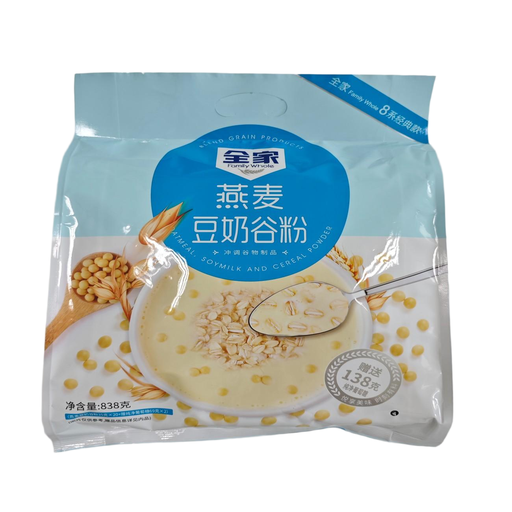
Why This Fits Their Persona: A straightforward everyday option for households wanting 20 individually portioned oat cereal sachets with a milky flavour and simple hot-water preparation.
The listing separates the 700g cereal powder from the two 69g pure glucose sachets, making the actual portion structure clearer.
Contains 30% soybeans, 10% oats and 5% whole milk powder; provides 20 x 35g sachets.
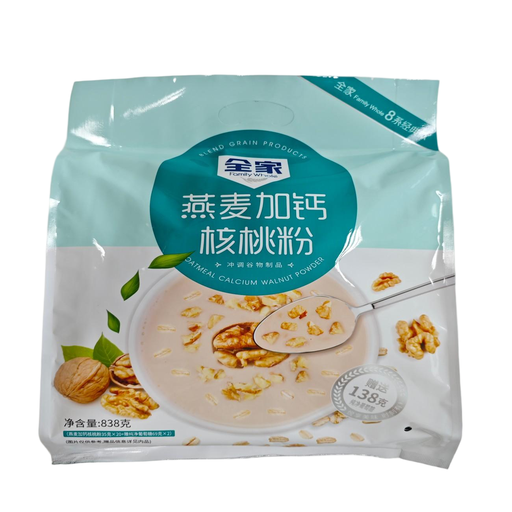
Why This Fits Their Persona: Suits shoppers seeking a nutty oatmeal drink with clearly stated ingredient proportions and calcium enrichment.
The ingredient declaration identifies walnuts at 15%, oats at 12% and peanuts at 12%, while the allergen information is stated separately.
Includes 20 x 35g sachets, with 138g of separate pure glucose supplied in two sachets.
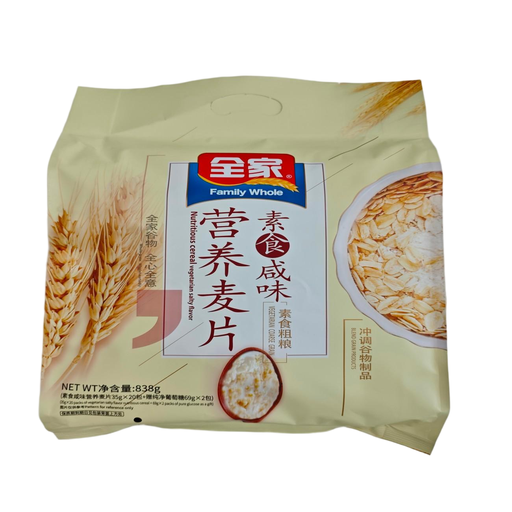
Why This Fits Their Persona: A practical choice for people who prefer savoury instant oatmeal rather than sweet cereal or walnut powder drink recipes.
Its savoury profile is identified directly, with 0.5% salt listed in the ingredients and 1.1g salt per 100g in the supplied nutrition information.
Contains 28% oat flakes and supplies 20 x 35g oatmeal sachets for repeat weekday use.
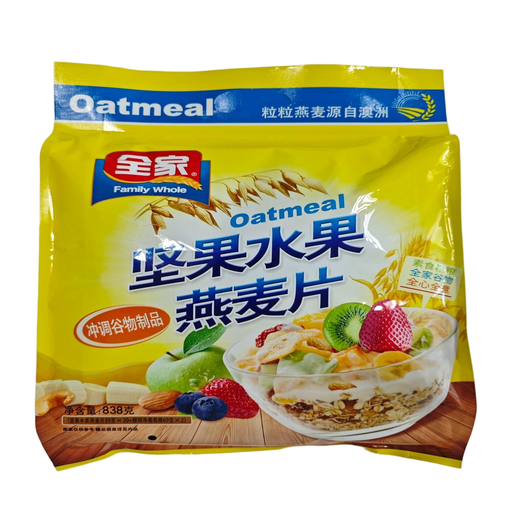
Why This Fits Their Persona: Suitable for shoppers wanting fruit and nut oat flakes rather than a single-grain recipe, with individually portioned servings for work or study.
The listing gives separate proportions for oats, nuts and fruit rather than presenting a broad flavour description alone.
Contains 20% oat flakes, 5% nuts and 4% fruit ingredients, supplied as 20 x 35g sachets.
We have compiled a complete, real-time list of products that fully satisfy these strict selection criteria and UK safety regulations.
For a stronger traditional flavour, consider black sesame paste, black bean and black rice porridge or red bean oatmeal. A lotus root starch soup with osmanthus, nuts or red dates is more dessert-like and may have a thicker texture.
If you prefer a naturally sweet profile, red date and raisin oat flakes contain raisins and red dates, while purple sweet potato yam oat flakes combine oat flakes with purple sweet potato and yam. Check the allergen list for sesame, soy and gluten-containing cereals before ordering.
For most 35g sachets, add approximately 175ml of boiling water and stir until evenly mixed. For lotus root starch products, dissolving the powder in a small amount of warm water first can help reduce lumps. Use a heat-safe mug and allow the drink to cool before consuming.
Shelf life depends on the production batch and packaging. Check the best-before date printed on the pack. Store sachets in a cool, dry place and reseal the outer packaging after opening. Do not use damaged or damp sachets.
No. The included pure glucose is optional and may be consumed separately or added to cereal, coffee or tea according to taste. It is not necessary for preparing the main cereal portion. If you monitor carbohydrate intake or have a medical condition, review the nutrition label and seek suitable dietary advice.