Shared refreshment organisers
For an office kitchen, meeting room or community venue, decide whether the target is 240 separately packed coffees or roughly 240 drinks measured from a shared supply. A tin and a box of sticks answer different needs.


If you need exactly 240 individually packed portions, confirm that count before ordering: Nestlé Professional UK lists 200-stick instant-coffee packs, which do not meet a 240-bag requirement. Choose sticks when measured, self-service portions matter; choose bulk coffee when someone can measure it into cups, and offer decaf separately if guests want that choice.
The right pack depends on whether guests serve themselves, how many individual portions you need and whether everyone wants the same drink.
For an office kitchen, meeting room or community venue, decide whether the target is 240 separately packed coffees or roughly 240 drinks measured from a shared supply. A tin and a box of sticks answer different needs.
Plain instant coffee lets guests add milk or sugar separately. A ready-mixed sachet is a different choice when the intended drink is already white and sweet.
A clearly labelled decaf option helps guests distinguish it from regular coffee at an afternoon station. Check its pack format and count separately from those of the regular coffee.
Start with the meaning of “240”, then choose the drink format and check the preparation and ingredient details for that format.
| Priority | What to check | Your needs |
|---|---|---|
| Pack count | Check whether the stated quantity counts individual sticks, drink sachets or something else. Nestlé Professional UK lists Original and Gold Blend packs of 200 x 1.8g sticks; neither is a 240-stick box. | I need exactly 240 separate portions for guests, so a 200-stick pack alone will not cover the count. |
| Bulk preparation | Check the coffee weight and the preparation directions for the chosen product. NESCAFÉ UK gives 1.8g with 200ml water as its standard serving reference, but the amount used per mug can vary. | A shared tin works for my station if someone can measure the coffee; its weight alone does not tell me how many individual bags I have. |
| Drink style | Distinguish plain instant coffee from a pre-mixed drink. Kenco says its 3-in-1 sachet contains instant coffee, whitener and sugar and is prepared with 200ml of hot, not boiling, water. | Some guests want to choose their own milk or sugar, so I would offer plain coffee with additions separately rather than make every portion a sweet white drink. |
| Decaf and ingredients | Identify regular and decaf coffee clearly. For mixed sachets, read the current ingredients and allergen declaration on the pack; Tesco warns that food-product information can change. | I want guests to recognise the decaf choice and know what is in a ready-mixed sachet before taking one. |
A target number of drinks is not the same as a count of individually packed sticks. Nestlé Professional UK lists 200-stick formats, while catering tins are labelled by coffee weight.
Confirm the number of individual portions and the product format on the listing or pack. If the requirement is exactly 240 bags, do not substitute a tin or a serving estimate for that count.
Kenco describes its 3-in-1 sachet as a mix of coffee, whitener and sugar. Guests cannot leave those ingredients out of the prepared portion.
Choose a pre-mixed sachet when that is the drink you intend to serve. For a black-coffee base with optional additions, choose plain instant coffee instead.
Ingredients and allergen details can change, as Tesco notes in its product information. This matters particularly when selecting mixed sachets for a shared station.
Check the current pack label before serving and keep its ingredient and allergen information available to the people running the station.
These examples show how the pack and drink formats differ; they do not establish that a brand offers an exact 240-bag box.
Nestlé Professional UK lists Original and Gold Blend instant coffee in 200 x 1.8g stick packs, as well as bulk-coffee formats.
Kenco offers a 3-in-1 drink sachet and a decaf instant-coffee refill, serving different choices at a shared station.
Tesco lists Douwe Egberts Pure Gold as a 190g medium-roast, freeze-dried instant coffee.
Tesco lists its Gold Instant Coffee in a 500g tin, with preparation guidance of 1–2 teaspoons per cup.
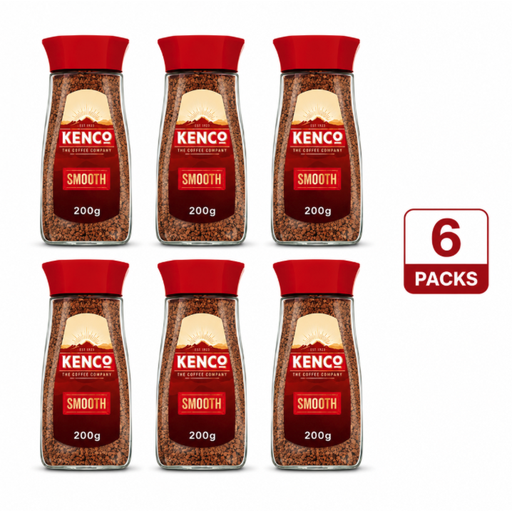
This multi-unit pack is an option for an afternoon station where someone can portion coffee from bulk stock; it is not a box of 240 individual sticks.
 No image available
Six 200g units provide bulk instant coffee for a shared station where coffee can be measured into cups. The pack does not contain 240 individual sticks; check its preparation directions when planning how much coffee to use per drink.
No. A target number of drinks, a count of individual sticks and a tin’s weight measure different things. NESCAFÉ UK uses 1.8g of coffee with 200ml water as a standard serving reference, but the amount used per mug can vary. Confirm which measure the seller is using before ordering.
No. Nestlé Professional UK lists 200 x 1.8g instant-coffee sticks, so one such pack is 40 individual sticks short of an exact 240-bag requirement. Check the stated count of any alternative pack rather than assuming a catering description means 240 portions.
Choose it when the intended drink is already white and sweet. Kenco says its 3-in-1 sachet contains instant coffee, whitener and sugar; plain instant coffee with separate additions gives guests more control over what goes into their cup.
Check the current pack’s ingredients and allergen declaration, then make the relevant information available for the way the drink is supplied. GOV.UK and Food Standards Agency guidance addresses allergen information for prepacked and non-prepacked food and drink in retail and catering; the practical steps depend on how the business serves the coffee and accompanying food.
Offer a clearly identified decaf product alongside regular instant coffee. NESCAFÉ describes Original Decaf as pure coffee with most caffeine removed, and Kenco offers a decaf refill; check the chosen product’s pack format and count separately if you need individual portions.