Volunteer-run drinks stations
Individually portioned sticks give each guest a defined amount without asking volunteers to measure loose coffee during a rush. Unopened sticks can stay protected until they are needed.


Choose portioned sticks for a busy self-service table: Nestlé Professional UK lists 200-stick Nescafé packs, so one pack leaves 40 portions to cover in a 240-drink plan. At a staffed counter, a catering tin or supermarket jar lets someone measure loose coffee instead, but calculate the supply from the exact product’s serving instructions rather than its weight alone. Plan for 240 drinks without assuming that a box containing exactly 240 portions is the pack you will buy.
The useful distinction for a Bonfire Night drinks station is whether guests serve themselves or someone measures each coffee.
Individually portioned sticks give each guest a defined amount without asking volunteers to measure loose coffee during a rush. Unopened sticks can stay protected until they are needed.
A catering tin is an option when someone can measure each serving. Check its own preparation instructions before deciding how much to order for roughly 240 drinks.
Jars offer another loose-coffee format when individual portions are not essential and someone can prepare the drinks. Tesco Groceries lists its Classic Instant Coffee in a 200g jar with a suggested 1–2 teaspoons per cup.
Start with the serving arrangement, then count portions or calculate a loose-coffee supply using the preparation instructions for the exact product.
| Priority | What to check | Your needs |
|---|---|---|
| Serving method | Decide whether guests will serve themselves or staff will measure coffee. Nestlé Professional UK lists Nescafé Original and Gold Blend in 200 × 1.8g stick packs. | I want people to collect a defined portion without waiting for someone to measure every drink. |
| Enough portions | Compare the pack count with the planned drinks: 200 sticks leave 40 portions to cover in a 240-drink plan. Allow separately for second cups or other uses. | A 200-stick pack alone will not cover the 240 drinks I am planning. |
| Loose-coffee yield | Read the exact pack’s serving size before calculating drinks from its weight. Tesco Groceries says the cup count for its 200g Kenco Smooth listing is based on a 1.6g serving; do not apply that figure to a different product. | For a staffed counter, I can measure servings, but I need a calculation based on the coffee I actually order. |
| Guest choice | Check each pack to distinguish regular from decaffeinated coffee. Keep the products identifiable when serving them. | I may want to offer decaf as well as regular coffee without confusing the two. |
| Product information | Keep the original labels available and check milk, whitener and flavoured sachets separately. GOV.UK guidance addresses allergen information for food businesses; Food Standards Scotland also specifies allergen-information and handling duties for food businesses. | Guests need to be able to ask about the ingredients in the drink and anything added to it. |
Nestlé Professional UK lists relevant Nescafé sticks in 200-count packs. One such pack falls short of a 240-drink plan.
Count the drinks you intend to serve, then check the quantity on the exact product page and pack. Arrange enough additional portions rather than relying on a presumed carton size.
The number of drinks from loose coffee changes with the amount used per cup. Tesco Groceries bases the cup count for its 200g Kenco Smooth listing on a 1.6g serving.
Use the preparation instructions for the tin you choose, and account for how the drinks will actually be measured.
Guests can use different amounts from the same jar, making the supply harder to plan during a busy period.
Use portioned sticks at a self-service point, or put loose coffee at a staffed counter with a consistent measure.
Milk, whitener and flavoured sachets need their own ingredient checks; a plain coffee label cannot describe every addition to a drink. Food Standards Scotland says food businesses must provide allergen information and manage allergens when preparing and serving food and drink.
Keep the original packaging accessible, check each product’s current label and seek local authority guidance if you are unsure whether your event is operating as a food business.
These brand references describe particular listed products and formats, not every item sold under each name.
Nestlé Professional UK lists Original and Gold Blend instant-coffee sticks in 200 × 1.8g hospitality packs.
Kenco lists Smooth and Rich instant coffees. Its Smooth product is described by the brand as a blend of freeze-dried instant and roast-and-ground coffee.
An Amazon UK listing identifies Pure Gold instant coffee in a 750g format.
Tesco Groceries lists Classic Instant Coffee in a 200g jar and suggests 1–2 teaspoons per cup.
Sainsbury's Groceries lists Gold Roast instant coffee in 200g and 500g formats, alongside a 200g decaffeinated version.
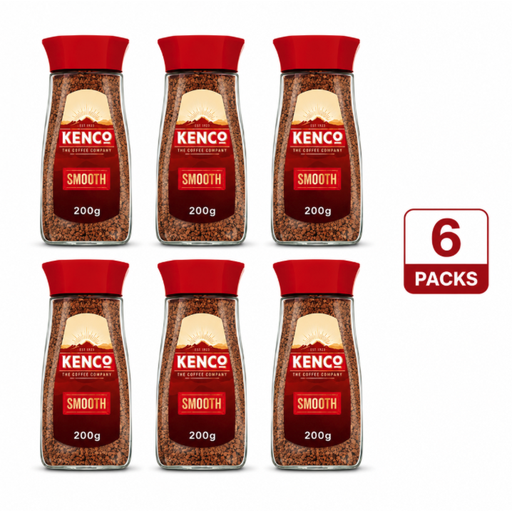
This loose-coffee option is relevant when someone can measure each serving. Confirm the bundle contents and calculate the quantity needed before relying on it for 240 drinks.
 No image available
For a staffed Bonfire Night counter, this loose coffee calls for someone to measure each cup. The product description gives a preparation amount of 1–2 teaspoons; confirm that the delivered bundle contains six 200g jars, then use the exact pack guidance to plan the supply for 240 drinks. Keep the coffee cool and dry during the outdoor event.
No. Nestlé Professional UK lists Nescafé packs containing 200 sticks, which leaves 40 portions to cover in a 240-drink plan before second cups or other uses. Check the count on any additional pack you choose.
Use the serving amount stated for the exact coffee you intend to serve, then calculate how much you need for the planned drinks. A tin’s weight alone does not fix the number of cups: Tesco Groceries, for example, bases the cup count for its listed 200g Kenco Smooth product on a 1.6g serving.
It could. GOV.UK says supplying food, including at community and charity events, may make an organiser a food business and may require local authority registration. Ask the relevant local authority how the guidance applies to your event; Food Standards Scotland also advises organisers serving large groups to consider food safety.
No blanket description covers coffee with milk, whitener or flavoured additions. Check each product’s current label and keep the information available to guests. GOV.UK and Food Standards Scotland set out allergen-information responsibilities for food businesses serving food and drink.