What should you check before ordering?
Set the number and type of coffee servings first, then check what the chosen pack requires for preparation and service.
| Priority |
What to check |
When it matters to me |
| Serving count |
Check the number of sticks or the pack’s suggested amount per cup. Nestlé Professional specifies 200 portions of 1.8g in its Original and Gold Blend stick cases, with one stick intended for a 200ml cup. |
I’m planning around 240 coffee servings, so one of those 200-stick cases would need another 40 servings’ worth of coffee. I need to confirm the final pack count rather than rely on a box description. |
| Plain or milky coffee |
Read the product name and ingredients to distinguish plain instant coffee from a prepared-drink mix. Tesco lists sugar, skimmed milk powder and lactose in the cited NESCAFÉ Cappuccino sachets. |
Some guests may want black coffee or prefer to add their own milk and sugar. I would use plain coffee for that choice and label any frothy sachets separately. |
| Decaf and allergens |
Check that decaf is identified on the actual pack and keep it distinct during service. For milk-containing mixes, check the current allergen declaration; GOV.UK says retail and catering food businesses must provide allergen information. |
I want guests to recognise the decaf choice without confusing it with regular coffee. Anyone asking about milk ingredients also needs accurate information for the drink they select. |
| Water and equipment |
Confirm the chosen coffee’s preparation volume, cup size and hot-water refill capacity. At the 200ml-per-stick basis specified by Nestlé Professional, 240 cups call for approximately 48 litres of hot water. |
A coffee order alone will not keep the serving table moving if hot water needs frequent refilling. I also need cups, stirrers and any milk or sugar offered alongside the coffee. |
| Measuring and style |
For loose coffee, follow the final pack’s suggested amount per cup before calculating yield. If choosing between styles, Kenco describes Smooth as intensity 7 and Rich as intensity 9 on its own scale; those ratings are not serving counts. |
Loose granules give me flexibility if demand changes, but someone must measure them. A strength description helps me choose a style without assuming it tells me how many cups a jar will make. |
Brands and formats to consider
The relevant distinction is the particular coffee and pack format, not the brand name alone: a jar, a plain stick case and a milky sachet mix require different serving plans.
NESCAFÉ
Nestlé Professional specifies 200 × 1.8g sticks for its Original, Gold Blend and cited decaf cases; it says each stick makes a 200ml cup.
- Individually portioned plain and decaf products provide a stated case count.
- A 200-stick case alone does not cover a plan for 240 coffee servings.
Kenco
Kenco describes Smooth and Rich as different coffee styles, assigning them intensity ratings of 7 and 9 respectively on its own scale; its range also includes decaf.
- The named styles and decaf option offer distinct choices for a mixed group.
- For jar-based service, calculate the required amount from the chosen pack’s preparation directions rather than its intensity rating.
Douwe Egberts
Tesco describes Pure Gold 190g as a medium-roast instant coffee with strength 3 and also lists a 400g Pure Gold format.
- A loose-coffee option for a service where portions can be measured.
- Use the final pack’s preparation instructions to work out the quantity needed for the event.
Carte Noire
Sainsbury’s describes Classique as freeze-dried instant coffee and gives a suggested serving of 1.8g per cup for the cited jar.
- A stated serving amount gives a starting point for checking jar yield.
- Confirm the size, instructions and availability of the pack you intend to order.
Sainsbury’s
Sainsbury’s lists own-label Gold Roast instant coffee in 200g and 500g formats and a Gold Roast Decaffeinated 200g option.
- Jar sizes and a separately named decaf product allow a loose-coffee serving plan.
- Check the selected pack’s instructions and quantity before treating it as sufficient for 240 servings.
Joybuy loose instant-coffee options
These jars, multipack and tin are loose instant-coffee options for a cream tea, including separately identified decaf products. Plan quantities from each chosen pack’s preparation directions rather than assuming its weight equals a particular number of servings.
 No image available
Kenco Decaff Instant Coffee 100g
A separately identifiable decaf choice for a cream tea. This is a 100g jar; check the pack’s suggested amount per cup to decide how many jars your service requires.
View on Joybuy
 No image available
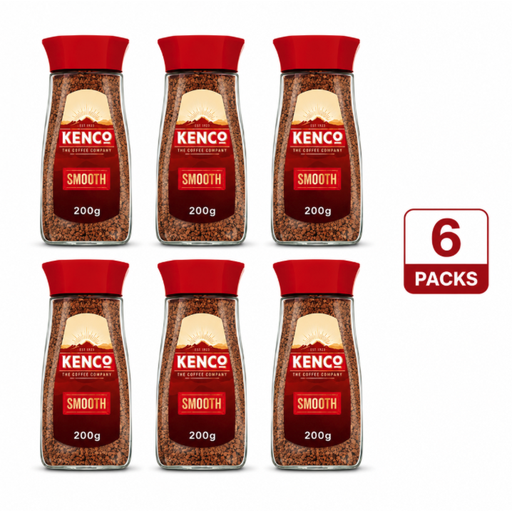
Kenco Smooth Instant Coffee 200g × 6
Six 200g jars offer a loose-coffee format when portions can be measured during service. Check the instructions on the jars before calculating how much of the multipack to use for around 240 coffees.
View on Joybuy
 No image available
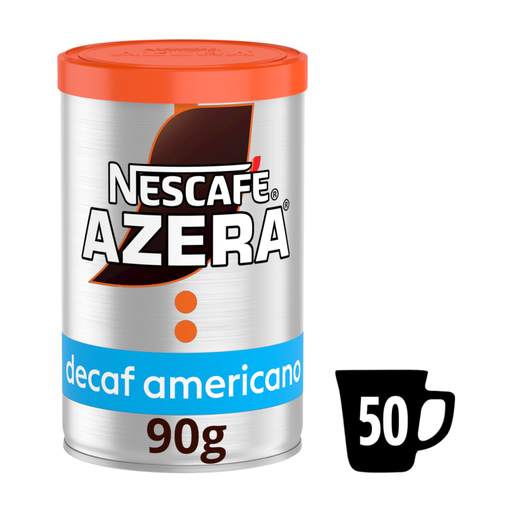
NESCAFÉ Azera Decaf Americano 90g
A 90g tin for a separately labelled decaf coffee choice. Follow the tin’s preparation directions to work out its serving yield before including it in the event quantity.
View on Joybuy
 No image available
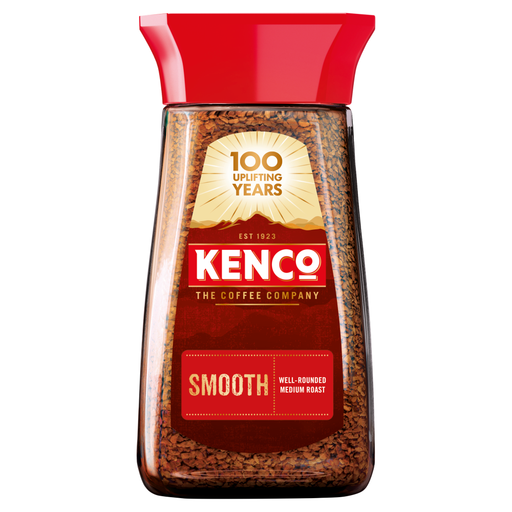
Kenco Smooth Instant Coffee 200g
A single 200g jar for a plain coffee option that can be measured by the serving. Check its current label for preparation directions and use those directions when planning the number of jars.
View on Joybuy
Questions about coffee for a cream tea
Does a catering box contain 240 instant coffees?
Do not assume that it does. Nestlé Professional specifies 200 × 1.8g sticks in its cited Original and Gold Blend plain-coffee cases, with one stick intended for a 200ml cup. Treat 240 as the number of servings you are planning, then confirm the case count and any additional coffee required.
How much hot water should I plan for 240 coffees?
At the 200ml-per-stick preparation volume specified by Nestlé Professional for its cited sticks, 240 cups require approximately 48 litres of hot water. Check the instructions for your chosen coffee and allow for the capacity and refill time of the equipment you will use.
Can cappuccino sachets replace plain instant coffee?
They are a different drink choice, not a direct replacement for guests who want plain coffee. The NESCAFÉ Cappuccino sachets listed by Tesco contain sugar, skimmed milk powder and lactose. Offer them separately if a milky, frothy option suits the event, and check the current pack label.
What allergen information matters when serving coffee sachets?
For retail and catering food businesses, GOV.UK guidance says allergen information must be provided; milk is among the allergens that must be declared. Check the actual packs, especially cappuccino and latte mixes, so the information given to guests matches the drinks being served.
How should I offer decaf at a large cream tea?
Keep a dedicated decaf product clearly labelled and separate from regular coffee. Nestlé Professional specifies 200 individual 1.8g sticks in each of its cited Original Decaf and Gold Blend Decaf cases, so choose the quantity according to the decaf servings you intend to provide rather than assuming a full case is necessary.


