Airport food-counter operators
A small range needs clear roles: an everyday blend, a more intense taste option if there is demand for one, and decaf that staff can identify separately.


For an airport food counter, a medium-roast instant coffee is a straightforward everyday starting point. Add a separately identified decaf option if customers need a choice other than regular caffeinated coffee, and consider a more intense blend as a distinct taste option rather than the only one. Check each product’s current pack for preparation, ingredients and allergen information before serving it.
A small range needs clear roles: an everyday blend, a more intense taste option if there is demand for one, and decaf that staff can identify separately.
A medium-roast blend and a product described as more intense offer different flavour choices. A brand’s intensity number is useful within its own range, not as a direct comparison with another brand’s scale.
A clearly identified decaf product lets customers choose it without relying on a jar’s appearance or a flavour description. Decaf should remain distinguishable from the regular coffee during storage and service.
Give each blend a clear purpose, then check the exact packs and serving instructions before deciding how staff will prepare and identify them.
| Priority | What to check | Your needs |
|---|---|---|
| Everyday blend | Check the stated roast and flavour description; check the selected pack’s dose and water directions. NESCAFÉ describes Gold Blend as a medium-roast Arabica and Robusta coffee, while Tesco lists Douwe Egberts Pure Gold as medium roast. | I want a regular option that does not make an explicitly intense or dark profile the only choice. |
| More intense taste | Look for a clearly distinguished product and use its own flavour description. Kenco rates Rich at intensity 9 on its brand scale; that number does not compare directly with another brand’s rating. | If customers ask for a stronger-tasting cup, I want a separate option that staff can identify on the menu. |
| Decaf identification | Check that the exact product is labelled decaf, then keep its container and menu name distinct from regular coffee. NESCAFÉ and Kenco each identify a decaf product in their ranges. | Someone choosing decaf should be able to recognise it and receive the product they requested. |
| Own-brand alternative | Compare the current pack’s size, ingredients, preparation directions and flavour description. Tesco Gold and Sainsbury’s Gold Roast are both listed as freeze-dried instant coffees; their stated profiles are not an independent taste comparison. | I may want an own-brand everyday option, provided its current details suit the drinks being served. |
| Service information | Follow the exact pack’s preparation and storage directions; check its current ingredients and allergen declaration. The UK Food Standards Agency says retail and catering food businesses must provide allergen information for prepacked and non-prepacked food and drink. | I need staff to prepare drinks consistently and give allergen information for the drink as served, including any milk or plant alternative. |
Kenco positions Rich for a more robust cup, whereas NESCAFÉ describes Gold Blend as a smooth medium roast. Those descriptions serve different taste preferences; neither establishes what every airport customer will prefer.
Start with an everyday blend and add a distinctly named intense option if that choice matters to your counter.
Customers choosing decaf need staff to identify the right product when preparing their drink.
Give decaf a separate container and clear menu designation, and make its identification part of the serving procedure.
Tesco and Sainsbury’s caution that food-product information can change. A listing may therefore differ from the pack delivered to the counter.
Check the delivered pack’s ingredients, allergen declaration, preparation directions, date marking and storage instructions before service.
The UK Food Standards Agency’s allergen-information guidance applies to food businesses serving prepacked and non-prepacked food and drink. Milk or a plant alternative changes the information needed for the finished drink.
Keep current information for every ingredient in the drink offered and make the relevant allergen information available to customers.
These product-line examples show how blends can fill different roles; a brand name alone does not establish the flavour or ingredients of every product it sells.
NESCAFÉ describes Gold Blend as a medium-roast Arabica and Robusta coffee and lists Gold Blend Decaf separately.
Kenco lists Rich at intensity 9 and Decaf at intensity 7 on its own product scale.
Tesco lists Pure Gold Instant Coffee 190 g as a medium-roast product with strength 3.
Tesco Gold Instant Coffee 200 g is listed as a freeze-dried Arabica and Robusta product.
Sainsbury’s lists Gold Roast Instant Coffee 200 g as freeze-dried and medium strength.
An Amazon UK listing identifies Carte Noire Instant Classic 180 g as a dark-roast instant coffee.
These options include everyday medium-roast coffees, a separately named intense-style product and decaf. Compare their stated identities and pack sizes, then use the delivered packs to set preparation and allergen-information procedures.
 No image available
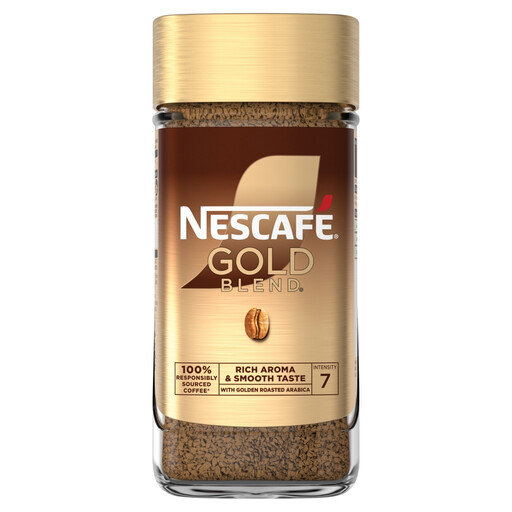
An everyday-blend option: NESCAFÉ describes Gold Blend as a smooth medium-roast coffee made with Arabica and Robusta beans. Check the 190 g pack’s serving directions and current ingredient information before counter service.
 No image available
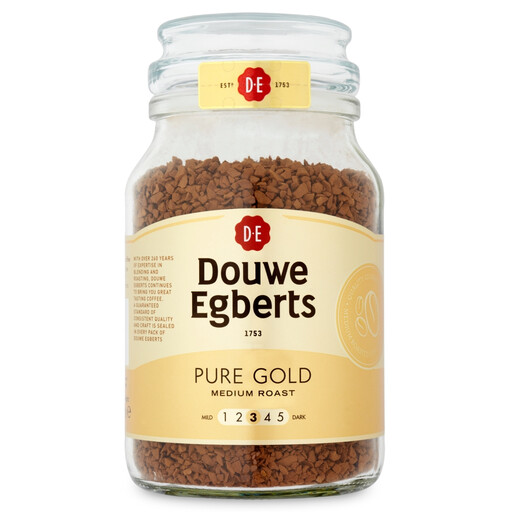
Another medium-roast option for the everyday role. Tesco’s listing describes Pure Gold as strength 3 with a smooth taste; use the selected 190 g pack for preparation and ingredient details.
 No image available
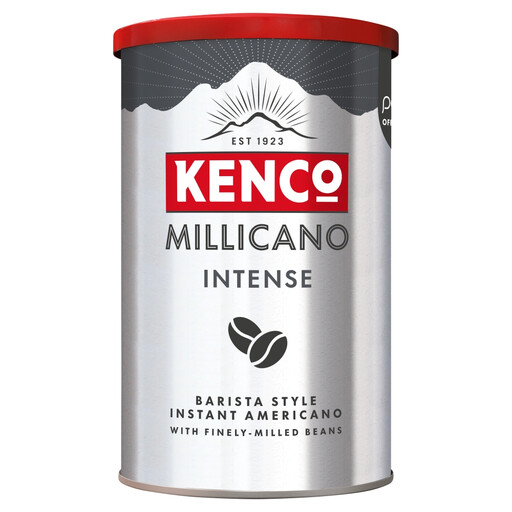
The Americano Intense variant is a distinctly named option for a counter offering more than one coffee style. Its 95 g tin and product name do not establish a measured strength comparison; check the pack’s preparation and ingredient information.
 No image available
A separately identified decaf choice for customers who do not want the regular blend. Keep the 190 g product distinct during service and check its pack for preparation, ingredients and allergen information.
 No image available
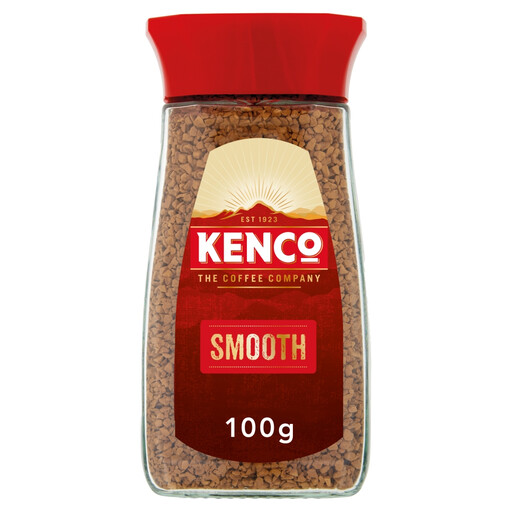
A 100 g coffee labelled Smooth to consider for the everyday option. Compare its current pack directions and ingredients with the other regular coffees before setting a counter recipe.
One medium-roast blend is a straightforward starting point when the range needs to stay simple. A separately identified decaf serves a different caffeine preference, while a more intense blend gives customers another taste choice if the counter has reason to offer one.
Use the preparation directions on each exact product rather than transferring a dose from another coffee. Tesco Gold and Sainsbury’s Gold Roast, for example, both specify hot, not boiling water, while their pack directions should determine the amount used for each drink.
Yes. The UK Food Standards Agency says retail and catering food businesses must provide allergen information for prepacked and non-prepacked food and drink. Check the current ingredients in the coffee and every addition, including milk or plant alternatives, so the information describes the drink served.
Name decaf clearly on the menu and keep its container distinguishable from the regular blend during preparation. That makes it easier for staff to serve the product a customer selected without making assumptions about the customer’s reasons for choosing it.
Follow the selected pack’s storage directions. Tesco’s instructions for Gold specify a cool, dark place and replacing the lid after opening; Sainsbury’s instructions for Gold Roast specify a cool, dry place and replacing the cap.