Breakfast drinkers who want little preparation
Soluble instant coffee suits a cup made by adding water and stirring, as Nescafé describes. Choose it when brewing a bag is not part of the breakfast you want.


Choose instant coffee if you want to add water and stir; choose a ground-coffee bag if you want coffee brewed in a mug and can allow four minutes. UK listings from Sainsbury's and Tesco describe Taylors coffee bags as ground coffee, not instant coffee. If a pyramid-shaped bag matters to you, check the individual pack: the coffee-bag descriptions do not establish that shape.
Soluble instant coffee suits a cup made by adding water and stirring, as Nescafé describes. Choose it when brewing a bag is not part of the breakfast you want.
Ground-coffee bags offer a brewing method without a cafetière or machine. Sainsbury's and Tesco give a four-minute brew time for the Taylors bags they list, so allow for that before breakfast is served.
Check the serving information for the coffee you choose rather than assuming formats have the same caffeine content. During pregnancy, the NHS advises no more than 200mg of caffeine a day from all sources.
Settle the preparation method first, then compare the flavour description, serving information and pack format of products that fit it.
| Priority | What to check | Your needs |
|---|---|---|
| Preparation | Check whether the pack contains soluble coffee or ground coffee in bags. Nescafé describes adding water and stirring for instant coffee; Sainsbury's and Tesco specify a four-minute brew for the Taylors bags they list. | If I want to make coffee as breakfast is served, I'd choose the add-and-stir format. For a brewed mug, I can allow time for the bag to steep. |
| Flavour | Read the product's own roast description and tasting notes. Kenco describes Rich as intensity 9 and Colombian as a medium roast with floral and fruity notes; these are descriptions of different products, not a common flavour scale. | I'd use the stated flavour direction to narrow my choice, especially if I plan to add milk, rather than compare intensity numbers across brands. |
| Caffeine | Check the serving size and caffeine information for the exact product. Nescafé states 50mg to 90mg per 2g serve for Original and Gold; the NHS advises a daily limit of 200mg during pregnancy. | If caffeine affects my choice, I need to account for the coffee I serve and other sources during the day, or look for a product explicitly labelled decaffeinated. |
| Bag and packaging | For a pyramid shape, check the pack wording or manufacturer specification rather than assuming all coffee bags have it. Follow the disposal instructions for each packaging component. | If the shape or individual wrapping matters to my breakfast routine, I'll check the particular pack before choosing it. |
Soluble coffee is stirred into water; the Taylors coffee bags listed by Sainsbury's and Tesco contain ground coffee and need brewing time. The difference changes how you make the cup, even when both are intended for a mug.
Choose the preparation method you want before comparing flavours: look for instant coffee for an add-and-stir cup, or ground-coffee bags for a brewed one.
A listing that says “coffee bags” identifies the format but does not, by itself, establish the bag's shape.
If pyramid construction is essential, check the individual pack wording or manufacturer specification before buying.
Kenco calls Rich intensity 9, while the Taylors listings label Rich Italian roast 4 and Flying Start roast 5. Those numbers describe their respective products; they do not provide a shared measure for comparing the cups.
Read each product's roast description and tasting notes alongside its preparation format.
Nescafé states that Original and Gold contain 50mg to 90mg per 2g serve. During pregnancy, the NHS advises no more than 200mg of caffeine a day from all sources, not just coffee.
Check the serving information for the product you use and include other caffeine sources when considering your daily total.
These examples help distinguish instant-coffee descriptions from ground-coffee bags; a brand reference does not establish that every format is available across its range.
Nescafé describes its instant coffee as a soluble, add-water-and-stir option.
Kenco gives different flavour descriptions for its instant-coffee products.
Tesco lists Carte Noire Classic as freeze-dried soluble coffee.
UK retailer listings describe Taylors coffee bags as roast-and-ground coffee for brewing in a mug.
These options include instant coffees for an add-and-stir breakfast and Taylors Flying Start coffee bags for a brewed mug. Check an individual pack if a pyramid-shaped bag is a requirement.
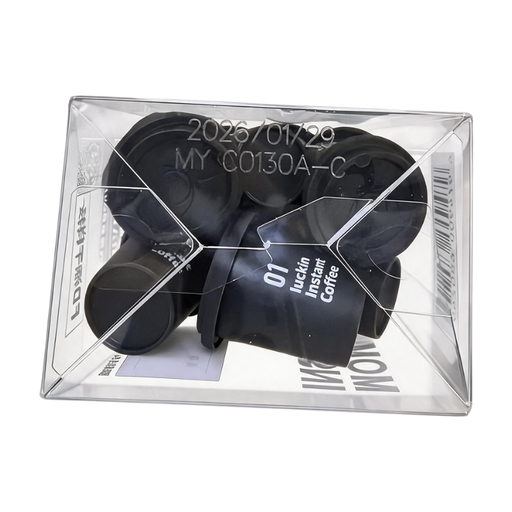 No image available
An instant-coffee option for a breakfast cup without a bag-brewing step. If caffeine content or a particular pack shape matters, check the product's own pack information.
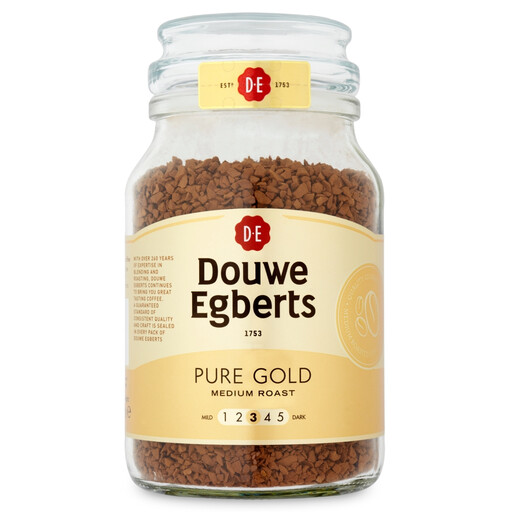 No image available
A medium-roast instant-coffee choice for the add-and-stir route, rather than a steeped coffee bag. Check the serving information if caffeine content is important to your choice.
 No image available
An instant option labelled dark roast for readers considering that flavour direction with breakfast. It is not a coffee bag; follow its pack directions for preparation and serving.
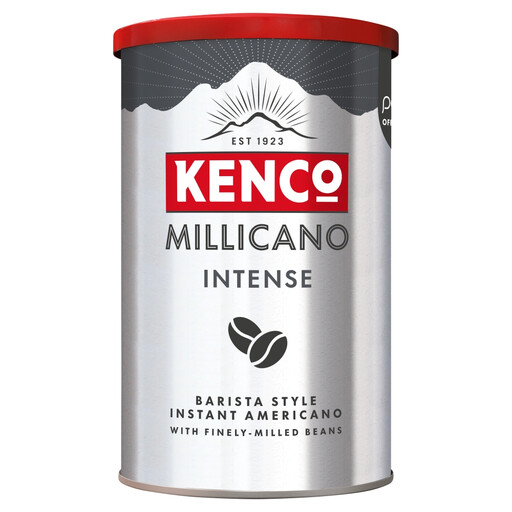 No image available
An instant-coffee option in a tin, labelled Intense, for the route that does not involve steeping a bag. Use the product's own directions and serving information when making your cup.
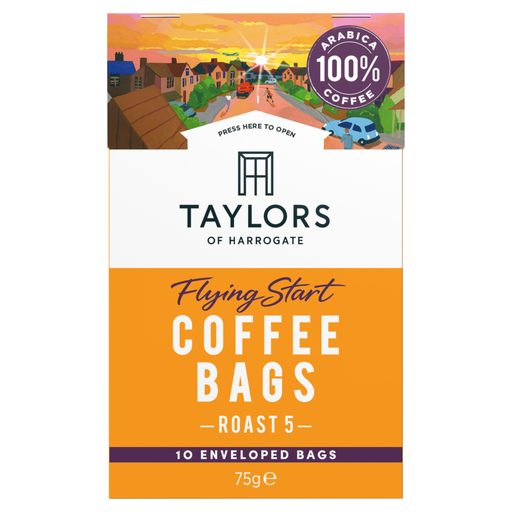 No image available
Ground-coffee bags for someone who wants to brew a mug rather than stir in instant coffee. Sainsbury's gives Flying Start a four-minute brew instruction; check the pack if the bag's shape matters.
No. Sainsbury's and Tesco describe the Taylors coffee bags they list as roast-and-ground coffee with a four-minute brew time. Nescafé describes instant coffee as coffee prepared by adding water and stirring.
Allow four minutes for Taylors Flying Start or Rich Italian, according to their Sainsbury's and Tesco listings. Follow the directions on the pack you have, including when to remove the bag.
The NHS advises no more than 200mg of caffeine a day during pregnancy, counting all sources. Check the serving information for the exact coffee you choose alongside other foods and drinks containing caffeine.
Check the instructions for each part of the pack separately. An outer box and an individual bag wrapper need not have the same disposal instructions.