For a regular elevenses cup, start with a smooth or mild instant blend if you prefer a gentler flavour; choose a bold or dark-roast profile if you actively enjoy a more pronounced taste. Treat intensity numbers as flavour cues rather than caffeine measurements, and compare pack sizes and unit prices if you buy coffee often. If you need to limit caffeine, check the specific product label and consider a clearly labelled decaf option.
Who is each blend for?
Drinkers who prefer a smooth everyday cup
If you make instant coffee most mornings and dislike an assertively bitter profile, compare smooth and mild descriptions. Kenco describes Smooth as a medium roast, while Jacobs Douwe Egberts Professional describes Pure Gold as mild, smooth and aromatic. These descriptions are flavour guides, not independent taste-test results.
Drinkers who prefer a bolder black coffee
If you take your elevenses coffee black or with little milk and want a more pronounced flavour, a full or bold description may be more relevant. Nescafé describes Original as medium-intensity with a full, bold taste; that description does not tell you its caffeine content.
Frequent drinkers watching caffeine or repeat purchases
If you drink coffee regularly, check caffeine information separately from flavour intensity and compare pack sizes and unit prices when you buy. The NHS advises a daily caffeine limit of 200mg during pregnancy and recommends no more than 200mg a day while breastfeeding; caffeine from other foods and drinks counts too.
What should you check before choosing?
Choose the flavour profile you would want to drink repeatedly, then check caffeine information and pack format separately.
| Priority | What to check | Your needs |
|---|
| Flavour profile |
Compare smooth or mild descriptions with full, bold or dark-roast wording. Brand descriptions indicate intended flavour, not how a coffee will taste to everyone. |
I want a cup I will enjoy at elevenses, whether that means a gentler flavour or a more pronounced coffee taste. |
| Intensity and caffeine |
Read intensity as a flavour cue: Nescafé says higher numbers tend to indicate darker, more bitter flavours, not more caffeine. Check caffeine information for the specific coffee and serving. |
If I am limiting caffeine, a lower intensity number is not enough information; I need to check the coffee itself or consider decaf. |
| Pack and repeat purchase |
Compare pack weight and the displayed unit price at the retailer where you buy. If considering a refill, check its size and whether you have a suitable container. |
For a regular household jar, I want a pack size that suits how quickly we use it, rather than choosing by the jar's appearance. |
Common buying mistakes
-
Treating intensity as a caffeine rating
A lower flavour-intensity number does not establish that a coffee contains less caffeine. Nescafé's strength guide says these numbers tend to describe flavour rather than caffeine content.
Choose an intensity for its expected taste, then check caffeine information separately if it affects your decision.
-
Comparing jars without comparing their weights
Different pack sizes make the jar price alone an incomplete comparison for a coffee you buy repeatedly.
Compare the displayed unit price at the same retailer when you buy, taking account of any offer and the amount your household will use.
-
Choosing a dark profile when you want a gentler cup
A flavour you find too assertive may be a poor fit for a regular mid-morning drink, even if the pack initially catches your eye. Nescafé's guide associates higher intensity numbers with darker, more bitter flavours.
Look for smooth, balanced or mild wording if that better matches your taste; choose bold or dark-roast wording when you want that profile.
-
Forgetting caffeine from the rest of the day
For someone who is pregnant or breastfeeding, an elevenses coffee is only one part of daily caffeine intake. The NHS advises a 200mg daily limit during pregnancy and recommends no more than 200mg a day while breastfeeding.
Consider all your caffeinated foods and drinks, and check the coffee's label or a clearly labelled decaf option when planning your day.
Brand and retailer references
These examples help distinguish blend descriptions and formats; a brand's presence here does not mean every product in its range has the same profile.
Nescafé
Original and Gold are distinct instant-coffee options in the Nescafé range.
- Nescafé describes Original as medium-intensity with a full, bold flavour.
- Nescafé says Original and Gold contain 50mg to 90mg of caffeine per 2g serving; flavour intensity is not a substitute for caffeine information.
Kenco
Smooth and Decaf offer different choices for flavour and caffeine preferences.
- Kenco describes Smooth as a medium-roast blend with an intensity rating of 7.
- Kenco's flavour descriptions are the manufacturer's descriptions, not independent taste-test findings.
Douwe Egberts
Pure Gold is described by Jacobs Douwe Egberts Professional as a mild, smooth and aromatic freeze-dried blend of Arabica and Robusta beans.
- The stated mild profile gives drinkers a flavour description to compare with bolder blends.
- That detailed description comes from a professional product page; personal taste still determines whether Pure Gold suits a household cup.
Carte Noire
Carte Noire Classique is another named instant-coffee option to compare by its current pack information.
- Sainsbury's preparation information for Classique suggests one or two teaspoons per cup with water just off the boil.
- Preparation instructions do not establish how its flavour compares with another brand.
Tesco
Tesco lists own-label instant coffee, including a Finest Colombian product.
- An own-label listing gives shoppers another pack to compare by its current label and unit price.
- Tesco advises reading the product label because food information may change.
Sainsbury's
Sainsbury's lists Gold Roast alongside branded instant coffees.
- Its category listings show pack weights and unit prices for comparisons within that retailer.
- Check the current listing when buying rather than treating a past retailer listing as a standing comparison.
Instant coffee options on Joybuy
These products offer smooth, more pronounced and medium-roast options for an elevenses cup. Check the label of the Gold Blend jar if you are specifically choosing coffee for caffeine management.
 No image available
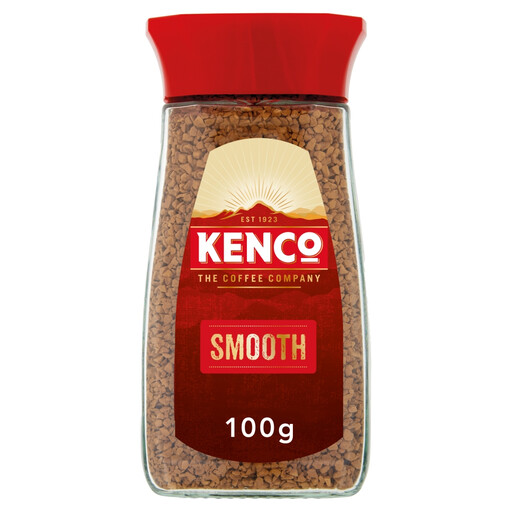
Kenco Smooth Coffee 100g
Consider this for a regular cup if you prefer the smooth, medium-roast profile Kenco describes. The pack is 100g; check caffeine information on the specific jar if you need it.
 No image available
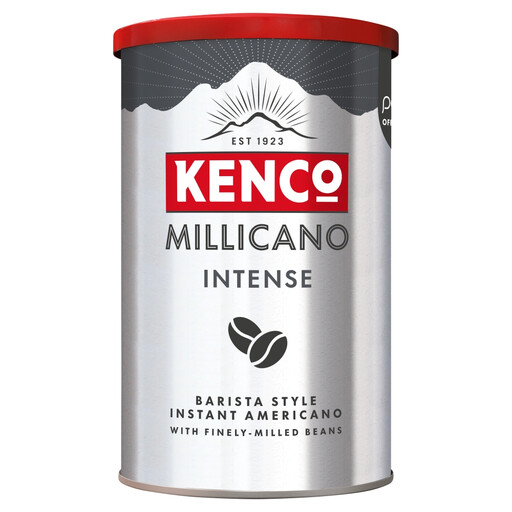
Kenco Millicano Americano Intense 95g tin
The Intense variant is a choice to examine if you want a more pronounced elevenses coffee rather than a smooth-profile jar. Check its caffeine information separately from the intensity wording.
 No image available
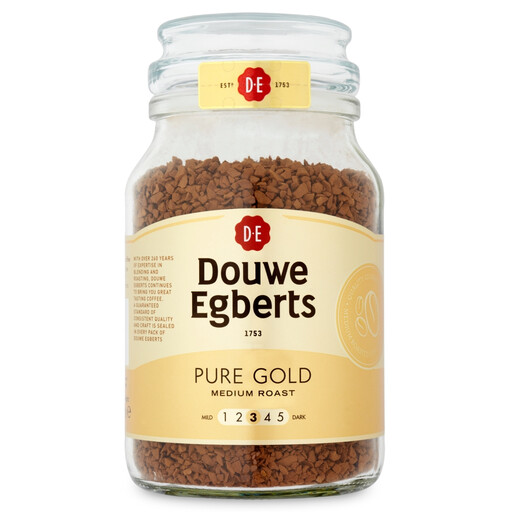
Douwe Egberts Pure Gold Medium Roast 190g
This medium-roast option may suit someone looking for the mild, smooth and aromatic Pure Gold profile described by Jacobs Douwe Egberts Professional. Its stated blend uses Arabica and Robusta beans; flavour remains a matter of personal preference.
 No image available
Costa Instant Intense Dark Roast 100g
Consider the dark-roast variant if that is the flavour direction you want for elevenses. Dark-roast and intense wording does not establish the coffee's caffeine content.
 No image available
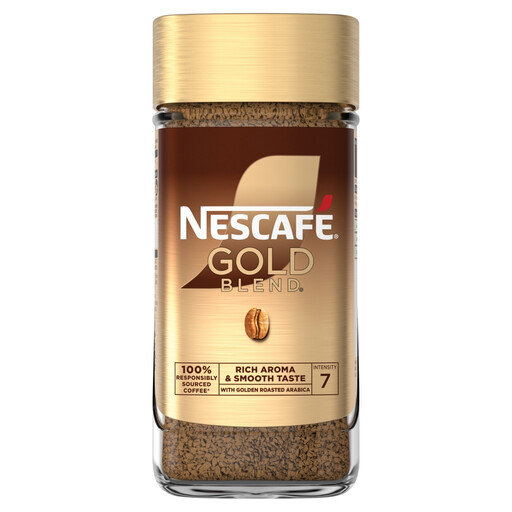
NESCAFÉ Gold Blend Coffee 190 g
If you are considering Gold Blend for elevenses, check this jar's label for the exact variant before relying on it for caffeine management. The name alone does not identify it as decaffeinated.
Questions about elevenses coffee
Does a higher intensity number mean more caffeine?
No. Nescafé's UK guide says intensity numbers tend to describe flavour rather than caffeine content. Check caffeine information for the specific product and serving if it matters to you.
Which blend should I try for a regular elevenses cup?
Start by matching the flavour description to what you enjoy: smooth or mild for a gentler profile, or full and bold if you prefer a more pronounced one. These descriptions come from product brands and cannot settle your personal taste preference.
How should I account for instant coffee during pregnancy?
The NHS advises no more than 200mg of caffeine a day during pregnancy and estimates 100mg in a cup of instant coffee. Include caffeine from other foods and drinks in your daily total, and check the specific coffee's information when choosing between a regular and decaf jar.
What about coffee while breastfeeding?
The NHS recommends no more than 200mg of caffeine a day while breastfeeding and notes that amounts vary between drinks and preparations. Check the coffee you use and consider caffeine from the rest of your day.
When is an instant-coffee refill worth considering?
A refill can be practical if you already have a clean, suitable container and the refill is a size you will use. Compare the current pack weight and unit price with a jar rather than assuming the formats offer the same value.


