For a weekend breakfast shared by people with different tastes, a smooth medium-roast blend is a sensible starting point; choose a dark roast when its toasted flavour is a known preference. If reducing caffeine matters, consider decaf instead, and check the exact pack’s ingredients and serving information.
Who is each blend for?
Households sharing breakfast
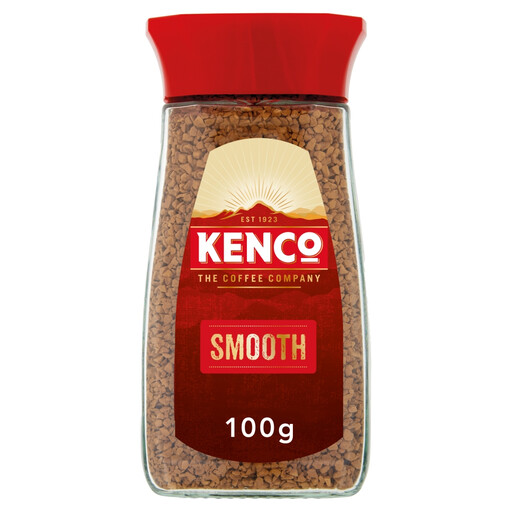
If several people will use one jar, consider a medium roast described as smooth before choosing a deliberately intense blend. Kenco describes Smooth as medium roasted and suited to people who do not want an overly bitter cup; individual preferences can still differ.
Drinkers who prefer a darker cup
A dark-roast blend makes more sense when toasted flavour is part of what you want. NESCAFÉ describes Gold Blend Intense as dark roasted, with toasted notes and a fuller-bodied taste.
People considering decaf
When reducing caffeine is the priority, compare decaffeinated options rather than using roast intensity as a caffeine guide. Kenco describes its Decaf as a medium-roast instant coffee; check the exact product information if you are tracking intake.
What should you check?
| Priority | What to check | Your needs |
|---|
| Flavour profile |
Compare the named roast and flavour descriptions. Kenco describes Smooth as medium roast; NESCAFÉ describes Gold Blend Intense as dark roasted with toasted notes. |
I’m sharing the jar with people who prefer a less intense cup, or I know I want a darker, toasted flavour. |
| Caffeine |
Do not treat flavour intensity as a caffeine measurement. NESCAFÉ states that its Original and Gold instant coffees contain 50–90 mg per 2 g serve; check information for the exact coffee you choose. |
If I’m reducing caffeine, I want to compare decaf options and account for other sources of caffeine too. |
| Pack format |
Check the pack size and whether you are buying a jar or a refill. A refill needs a suitable container for dry storage. |
A larger pack only suits me if the household will use that blend regularly; a refill needs somewhere to keep it. |
| Ingredients |
Read the current ingredients list and any emphasised allergens on the exact pack, particularly when switching between plain coffee and flavoured or all-in-one products. The UK Food Standards Agency sets out these labelling requirements for prepacked food. |
When I change coffee formats, I need to check the ingredients rather than assume they are the same. |
Common buying mistakes
-
Treating intensity as a caffeine rating
Dark-roast and intensity descriptions convey an intended flavour profile, not a measured caffeine amount.
Choose by flavour separately from caffeine: check information for the exact coffee and consider decaf when reducing caffeine matters.
-
Choosing the boldest blend for everyone
A dark, toasted profile may suit one person’s first cup but not others sharing the breakfast table.
If preferences differ, start by comparing smooth medium-roast options; choose an intense blend when its flavour is wanted.
-
Assuming all instant-coffee formats have the same ingredients
Plain soluble coffee, flavoured products and all-in-one sachets need not have the same ingredients.
Read the current pack’s ingredients and highlighted allergens when changing product or format.
Brand and product-line references
NESCAFÉ
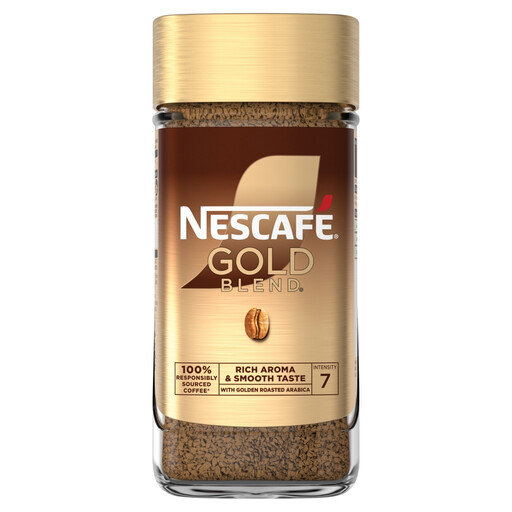
NESCAFÉ presents Gold Blend as medium roast and Gold Blend Intense as a darker alternative.
- The brand describes Gold Blend as smooth and Gold Blend Intense as having toasted notes.
- Those flavour descriptions do not indicate which coffee has less caffeine; NESCAFÉ gives a 50–90 mg range per 2 g serve for Original and Gold.
Kenco
Kenco describes Smooth as a medium-roast blend and also offers a named Decaf option.
- Kenco positions Smooth for drinkers who want flavour without an overly strong or bitter taste.
- Smooth’s intensity rating of 7 is the brand’s flavour rating, not a caffeine measurement.
Douwe Egberts
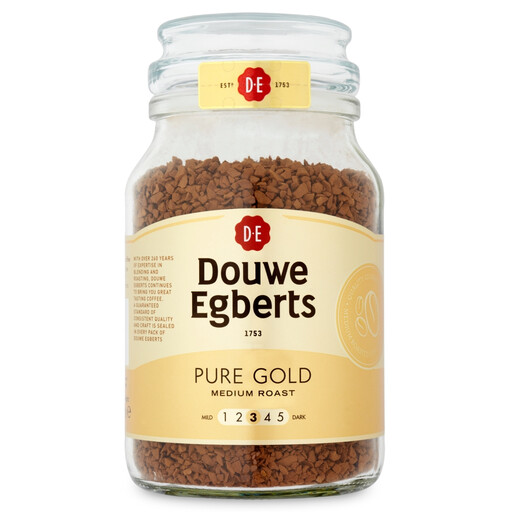
Tesco Groceries lists Douwe Egberts Pure Gold as an instant coffee.
- Pure Gold provides another named blend to compare when choosing a breakfast coffee.
- Check the exact pack for the flavour and ingredient information relevant to your choice.
Carte Noire
Tesco Groceries describes Carte Noire Classic as freeze-dried soluble coffee with an Arabica-rich, velvety profile.
- Its listed flavour description gives shoppers a different profile to consider alongside smooth and dark-roast options.
Instant coffee options at Joybuy
These instant coffees cover smooth, dark-roast and decaf choices for a weekend breakfast. Compare the named blend and exact pack rather than assuming that roast description tells you its caffeine content.
 No image available
NESCAFÉ Gold Blend Coffee 190 g
For a shared breakfast where a smoother flavour appeals, NESCAFÉ describes Gold Blend as medium roast. Check the current 190 g pack’s ingredients and serving information.
 No image available
Costa Instant Intense Dark Roast 100 g
Consider this 100 g dark-roast option if you actively prefer a more intense breakfast coffee. Its roast description does not establish its caffeine content.
 No image available
Kenco Smooth Coffee 100 g
For a shared cup, Kenco describes Smooth as medium roast and intended for drinkers who do not want an overly bitter flavour. This pack is 100 g; Kenco’s intensity rating of 7 describes flavour, not caffeine.
 No image available
Douwe Egberts Pure Gold Medium Roast 190 g
This 190 g medium-roast instant coffee is another named option to consider for a shared breakfast. Check the exact pack’s ingredients and caffeine information if those affect your choice.
 No image available
NESCAFÉ Gold Blend Decaf Coffee 190 g
If reducing caffeine is the priority, this 190 g decaffeinated option is more relevant than selecting a regular coffee by roast intensity. Check the current pack’s serving information when tracking caffeine.
Questions about breakfast blends
Which blend should I consider when several people share a breakfast jar?
A smooth medium roast is a sensible starting point when tastes differ. Kenco describes Smooth as medium roast and not overly bitter, while NESCAFÉ describes Gold Blend as medium roast; choose a darker blend if that flavour is a shared preference.
Does a darker instant coffee necessarily contain more caffeine?
Roast and intensity descriptions alone do not establish caffeine content. NESCAFÉ describes Gold Blend Intense by its dark-roast flavour, while separately giving a 50–90 mg range per 2 g serve for its Original and Gold coffees; check information for the exact product.
What caffeine information matters during pregnancy?
The NHS advises no more than 200 mg of caffeine a day during pregnancy and estimates 100 mg in a cup of instant coffee. Account for caffeine from other foods and drinks as well as breakfast coffee; decaf is an option to compare when reducing intake.
Should I check ingredients when changing instant coffee?
Yes: read the exact pack, especially when switching from plain coffee to a flavoured product or an all-in-one sachet. The UK Food Standards Agency says prepacked food must carry an ingredients list with any allergens present emphasised.
When does an instant-coffee refill pack make sense?
Consider a refill if you already use that blend regularly and have a suitable container for dry storage. Check its pack size against how much coffee your household will use.


