Buyers choosing one everyday coffee
If one jar must serve colleagues with varied tastes, consider a medium, balanced or smooth blend as the starting option. A dark or intense blend is a more specific choice for people who prefer that profile.


For a workplace canteen serving people with varied tastes, start with a medium, balanced or smooth instant coffee rather than making a deliberately intense blend the only option. Add a stronger jar when colleagues want one, and a separately labelled decaffeinated jar where that choice is needed; check each product’s preparation directions, ingredients and storage instructions before ordering for shared use.
The number of jars to buy depends on whether lunch service needs one shared choice or distinct options for particular preferences.
If one jar must serve colleagues with varied tastes, consider a medium, balanced or smooth blend as the starting option. A dark or intense blend is a more specific choice for people who prefer that profile.
Where colleagues ask for a more robust cup, a separate stronger jar lets them choose it without making that profile the canteen’s only coffee.
A separately labelled decaffeinated jar gives colleagues an alternative to the regular blend. Check the exact product label if its caffeine content needs to be specified.
Choose the main flavour profile first, then decide whether separate strong and decaffeinated jars are needed. Check the pack and serving arrangements for each option rather than treating a brand’s intensity rating as a common scale.
| Priority | What to check | Your needs |
|---|---|---|
| Shared blend | Read the exact product’s roast and flavour description. NESCAFÉ describes Gold Blend as medium-intensity and well rounded; Kenco describes Smooth as full-flavoured without an overly strong or bitter taste. | One jar needs to serve colleagues with different preferences, without making a deliberately bold blend the only choice. |
| Stronger option | Look for a product expressly described as rich, robust or dark roasted. Kenco positions Rich as robust, while NESCAFÉ describes Gold Blend Intense as dark roasted; their descriptions do not establish an equivalent cross-brand strength. | Some colleagues prefer a bolder cup, so I would offer it alongside the everyday blend rather than replace that blend for everyone. |
| Decaffeinated choice | Choose a clearly labelled decaffeinated product and keep it identifiable in the serving area. Check the individual pack if a precise caffeine figure matters. | There should be a decaffeinated option without expecting the regular coffee to meet that preference. |
| Preparation and labels | Check serving directions, ingredients, allergen information and storage instructions on the delivered pack. Use that product’s directions for a consistent canteen recipe. | Colleagues preparing coffee at lunch need the current instructions close to the jar, especially if several blends are offered. |
| Refill handling | Confirm that a refill fits the chosen blend and that a clean, dry container is available. Retain the current product label and best-before information when transferring coffee. | Refills suit our service only if staff can identify the contents and keep the container and product information in order. |
Kenco gives Smooth an intensity rating of 7 and Rich a rating of 9. Those are Kenco’s descriptions, not a measure for equating either coffee with another brand’s roast or strength label.
Compare each product’s roast and flavour wording. If the canteen can trial its main blend with the people who will drink it, use their preferences to inform the choice.
Kenco Rich and NESCAFÉ Gold Blend Intense are positioned for people seeking a more robust or dark-roasted coffee. That does not establish them as the right shared choice for colleagues with varied tastes.
Start with a balanced or smooth option for a mixed group, then add a stronger jar where colleagues ask for one.
A canteen recipe or stock label needs to describe the coffee actually being served, including its preparation and storage requirements.
Check the delivered pack’s ingredients, allergen information, best-before date and preparation directions before putting it into shared stock.
NESCAFÉ and Kenco offer refills for selected blends, but a refill still needs a suitable container and current product information.
Use a clean, dry, labelled container and keep the refill pack or its product information available until its contents have been used.
These product-line descriptions help distinguish blend routes; they do not indicate which brands or variants a canteen can currently order.
NESCAFÉ describes Gold Blend as a balanced, well-rounded option and Gold Blend Intense as dark roasted.
Kenco distinguishes Smooth, Rich and Decaf within its instant-coffee range.
Tesco describes Douwe Egberts Pure Gold instant coffee as medium roasted and gives the listed product a strength rating of 3.
Carte Noire Classique appears as an instant-coffee option in Sainsbury’s product information.
Tesco’s instant-coffee catalogue lists Colombian and Costa Rican Tesco Finest options.
These Joybuy jars cover everyday smooth or balanced choices, a darker-roast option and a decaffeinated alternative for a workplace lunch service. Compare each exact pack before setting a shared serving recipe.
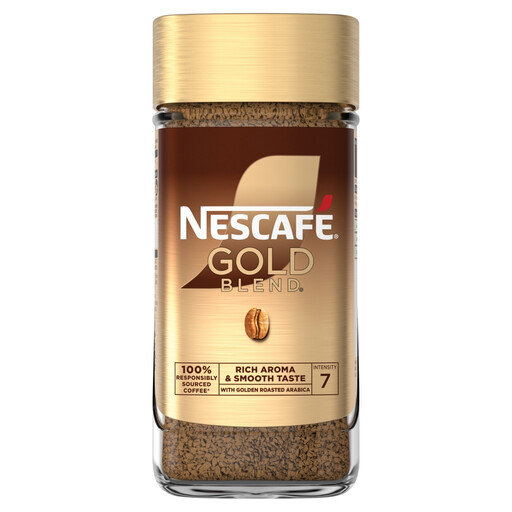 No image available
Consider this for the main shared jar if a balanced profile suits the group: NESCAFÉ describes Gold Blend as medium-intensity, smooth and well rounded. Check the delivered pack’s serving directions before setting a canteen recipe.
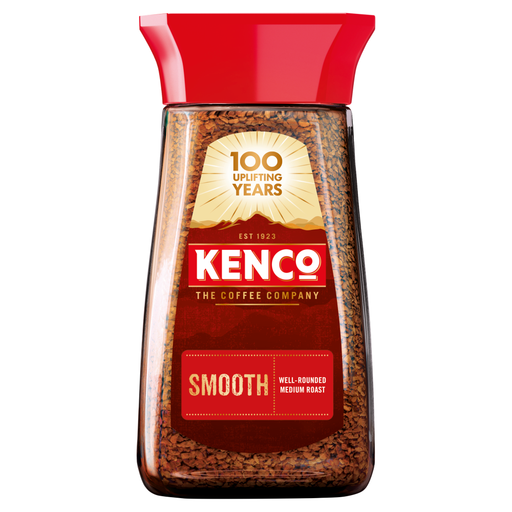 No image available
This is a shared-jar option where colleagues want a less forceful flavour: Kenco describes Smooth as full-flavoured without being overly strong or bitter. Follow the directions on the pack used in the canteen.
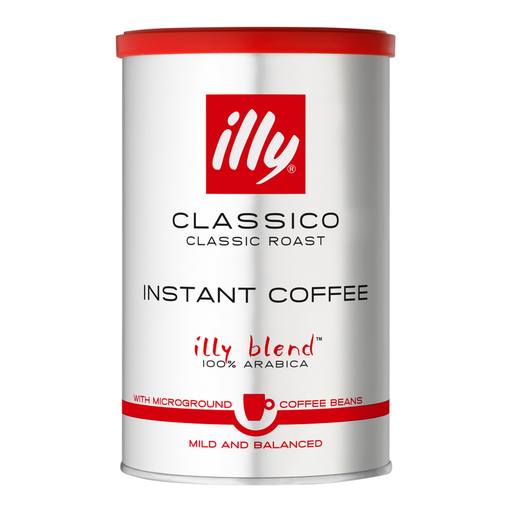 No image available
The named Smooth Taste variant is another option to consider when choosing a gentler-flavoured main jar. Check its delivered-pack preparation and storage directions before adding it to the canteen service.
 No image available
The named dark-roast variant fits a separate jar for colleagues who ask for a bolder coffee, rather than an assumed default for everyone. Check the pack for the serving quantity before setting a shared recipe.
 No image available
This decaffeinated variant can provide a separately labelled alternative to the regular canteen jar. Check its own pack for serving directions and for caffeine information if a precise figure is needed.
For colleagues with varied tastes, begin with a medium, balanced or smooth option. NESCAFÉ describes Gold Blend as well rounded, Kenco positions Smooth as less forceful than a robust blend, and Tesco lists Douwe Egberts Pure Gold as medium roasted. A stronger jar can remain a separate choice.
Add a separately labelled decaffeinated product when colleagues need that alternative to the regular blend. Kenco, for example, offers a Decaf instant-coffee variant; check the exact pack if its caffeine content needs to be stated precisely.
Use the directions on the exact pack being served, including its suggested coffee quantity and water temperature. Sainsbury’s listed one or two teaspoons per cup and water just off the boil for Carte Noire Classique, but those instructions should not be applied automatically to other blends.
Yes, if it has a suitable clean, dry container and can keep the refill clearly identified. NESCAFÉ and Kenco offer refills for selected blends; retain the current pack information, including the best-before date, while its contents are in use.