
24/7 Customer Support

Free returns

Same-day & Next-day Delivery

Quality Guaranteed

Unlock Your Welcome Offers: FREE Delivery | Up to 80% OFF | Free 30-day JoyPlus trial
Download the APP
Instant coffee can be a practical cupboard staple for UK homes, offices, student kitchens and travel bags. However, the jar or sachet that looks good online may not suit the way you actually drink coffee. A quick comparison of ingredients, preparation and serving format can help you avoid paying for features you will not use.
Words such as “intense”, “rich” or “bold” describe a flavour direction rather than a guaranteed caffeine level. A strong-tasting Americano instant coffee may simply have a darker roast profile. If caffeine matters to you, check the product label and serving guidance rather than relying on front-of-pack wording.
Cappuccino coffee sachets, white coffee and flavoured mixes may contain sugar, creamer or milk ingredients. These can create a smoother drink but also change the nutritional profile and allergen information. Compare the ingredients list and values per prepared serving, not just per 100g.
A large jar can offer convenient cupboard storage for regular drinkers, while coffee sticks are easier to portion at work or while travelling. Ready-to-drink coffee needs no preparation but can be less economical for daily home use. Coffee capsules may suit compatible machines, but they require equipment and create a different cost per cup.
Arabica coffee is often associated with a softer, more aromatic profile, while Robusta can contribute a fuller body and more pronounced bitterness. Blends vary, so check the stated composition where available. Freeze-dried coffee is made using a process that removes water from brewed coffee, creating granules that dissolve in hot water. Some products are also designed for cold preparation.
For a straightforward black coffee, look for soluble coffee without added sugar or creamer. If you prefer a milkier drink, a cappuccino mix or white coffee sachet may be more convenient. A product described as premium coffee should still be assessed by its actual ingredients, coffee percentage, pack size and preparation instructions.
Check whether the product contains:
This is particularly important when buying imported coffee multipacks or international-food products. Packaging should provide the legally required allergen information for the UK market. Always check the physical label before consumption, as recipes and packaging can change.
Compare the number of servings rather than the net weight alone. A 190g jar may last longer than a 90g tin, but the actual number of cups depends on how much coffee you use per mug. Sachets offer measured portions, while a jar allows you to adjust strength.
Store opened instant coffee in a cool, dry place and keep the lid or seal closed to reduce exposure to moisture and strong odours. For concentrated coffee liquid or ready-to-drink coffee, follow the storage and refrigeration instructions on the packaging. Decaffeinated coffee is a separate consideration: “decaf” does not necessarily mean caffeine-free, so check the label if you need to limit caffeine.
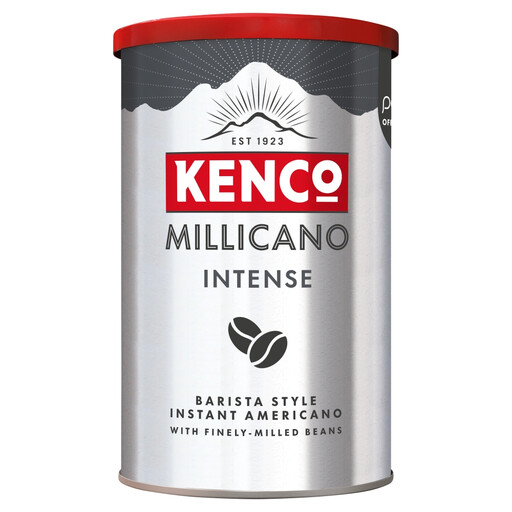
Why This Fits Their Persona: A practical tin format for people building an everyday coffee routine at home or in a shared kitchen. It combines instant coffee with 15% roast and ground coffee, offering an alternative to a standard soluble blend.
The ingredient percentage is clearly listed, so shoppers can distinguish the blend from coffee labelled only with broad flavour claims.
95g tin; no declared allergens; prepared drink is listed at less than 1 kcal per 100ml.
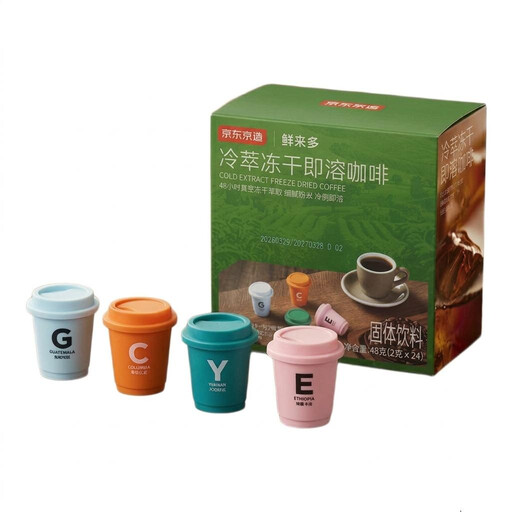
Why This Fits Their Persona: Individually sealed portions suit coffee drinkers who want to explore 100% Arabica coffee in a portable format, including commuters and home users who enjoy hot or cold drinks.
The product specifies Arabica coffee beans as the sole ingredient, avoiding hidden sugar, milk and creamer.
24 individual 2g capsules; suitable for hot or cold water; can be mixed with milk or plant-based drinks.
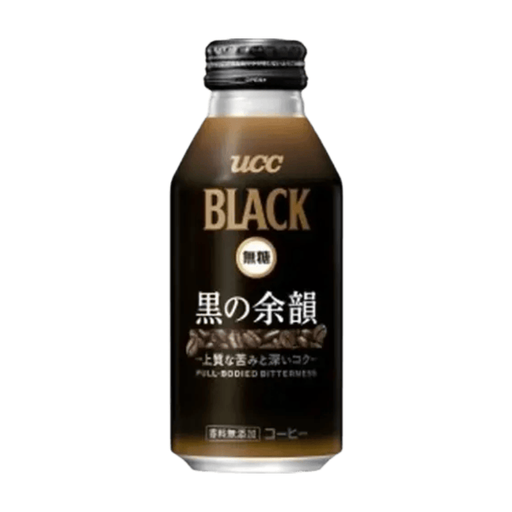
Why This Fits Their Persona: A ready-to-drink option for office drawers, commutes and busy days when there is no kettle or preparation time available.
Its description identifies it as unsweetened and without milk, helping shoppers avoid accidentally choosing a sweetened coffee drink.
375g resealable bottle-can format; ready to drink; storage instructions allow room-temperature storage away from direct sunlight.
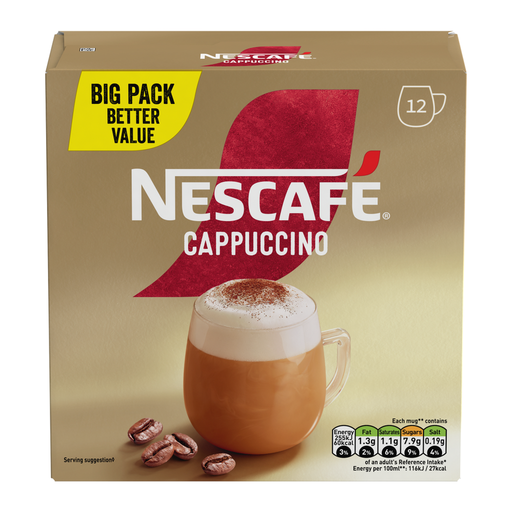
Why This Fits Their Persona: Pre-portioned sachets are useful for students, workplace cupboards and households that want a milky coffee without measuring several ingredients.
The ingredient list clearly includes sugar, skimmed milk powder and lactose, so shoppers can make an informed choice about sweetness and allergens.
12 individual sachets; suitable for vegetarians; prepared serving information is provided on the packaging.
For a familiar cupboard option, compare larger coffee multipacks or jars such as classic, Gold Blend or espresso-style instant coffee. Coffee sticks are useful when portion control and portability matter. Ready-to-drink coffee is convenient for travel, while coffee capsules are worth considering only if you already own a compatible machine.
International options can also offer different flavour profiles, including hazelnut cappuccino, Malaysian white coffee and concentrated coffee liquid. Check the preparation volume carefully: one sachet may be designed for 70–75ml, 150ml or 200ml of water, which affects strength and cost per serving.
We have compiled a complete, real-time list of products that fully satisfy these strict selection criteria and UK safety regulations.
Usually, a jar or sachet can offer a lower cost per prepared cup, especially when bought in a larger pack. Ready-to-drink coffee charges for preparation and packaging convenience. Calculate the price per serving before comparing formats.
Follow the packaging guidance and keep the container tightly closed in a cool, dry cupboard. Moisture can cause granules to clump and affect flavour. Always check the best-before date and discard packaging that is damaged or contaminated.
Some freeze-dried coffee and concentrated coffee products are specifically suitable for cold preparation. Standard instant coffee may dissolve more slowly in cold water. Check the usage instructions, then stir thoroughly or add a small amount of warm water first.