
24/7 Customer Support

Free returns

Same-day & Next-day Delivery

Quality Guaranteed

Unlock Your Welcome Offers: FREE Delivery | Up to 80% OFF | Free 30-day JoyPlus trial
Download the APP
Instant coffee is a practical choice for UK homes, offices, university rooms and travel bags. It needs no machine, creates little washing-up and can be prepared in seconds. However, a low price or attractive description does not always tell you whether a product suits your taste, routine or dietary requirements.
Three common buying traps are worth checking before you add a jar or multipack to your basket:
For a straightforward black coffee, look for soluble coffee or 100% coffee near the top of the ingredient list. Some products specify Arabica instant coffee, while others use a blend of Arabica and Robusta. Arabica-only options may appeal to drinkers looking for a particular origin or flavour profile, but the label remains the most reliable source of information.
A flavoured instant coffee or 3-in-1 sachet is a different product category. It may contain sugar, non-dairy creamer, milk powder, flavourings and coffee. For example, cappuccino sachets are designed to create a creamy drink rather than a plain Americano. Always check highlighted allergens, particularly milk, whey powder and sodium caseinate.
Choose the format around where you drink coffee:
Preparation instructions also matter. A product may require 150ml, 200ml or 250ml of water. Using too much water can make a cup taste weak, while too little may produce an overly concentrated drink.
Freeze-dried coffee is made using a process that removes water from brewed coffee, leaving soluble granules or powder. It is still instant coffee, but the processing description can help you compare products with other soluble formats.
If you drink coffee later in the day, check whether the product is labelled decaffeinated instant coffee. Do not assume an Americano-style product is decaf simply because it tastes smooth; look for “decaffeinated” in the ingredients.
For freshness, keep opened jars and sachets in a cool, dry place, away from moisture and strong odours. Replace lids firmly and follow the date mark on the packaging. Buy a pack size that you are likely to finish while the aroma and texture remain enjoyable.
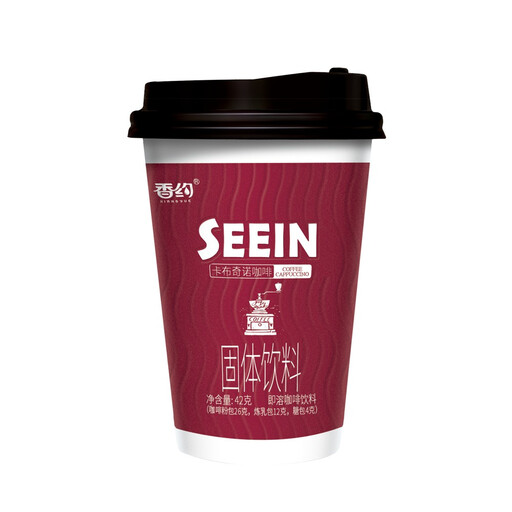
Why This Fits Their Persona: A single 42g portion offers a simple way to try a creamy coffee drink without committing to a large coffee multipack.
The sachets are clearly separated into coffee, condensed milk and sugar, making the drink format and sweetness adjustable.
Portable 42g serving; prepared with 250ml of hot water; contains milk ingredients.

Why This Fits Their Persona: Suits black coffee drinkers who want a named Colombian origin and 100% Arabica coffee in a compact jar.
Its ingredient list identifies Arabica coffee beans, rather than relying only on vague flavour descriptions.
100% Arabica ingredients; freeze-dried soluble format; suitable for hot coffee with or without milk.
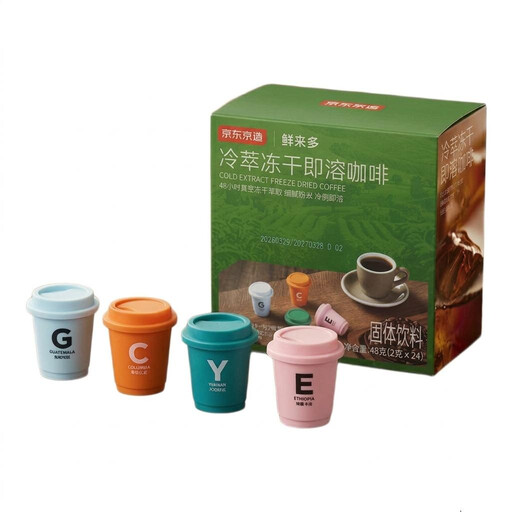
Why This Fits Their Persona: Twenty-four individually sealed 2g portions work for frequent coffee drinkers, shared offices and people who want hot or cold preparation.
The 100% Arabica ingredient statement makes it clear that the product is black coffee, not a sweetened latte or creamer blend.
24 individually sealed capsules; dissolves in hot or cold water; can be mixed with milk or other drinks.
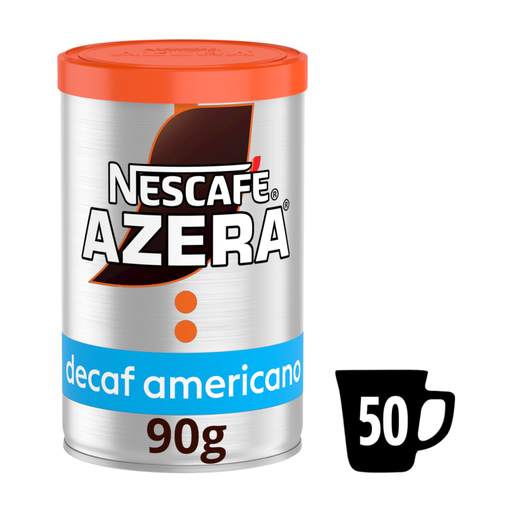
Why This Fits Their Persona: A decaffeinated Americano instant coffee can suit drinkers who want a black coffee option later in the day.
The product is explicitly labelled decaffeinated, removing the need to guess from its roast style or serving format.
Decaffeinated soluble and roast-and-ground coffee; no declarable allergens listed; 90g tin.
We have compiled a complete, real-time list of products that fully satisfy these strict selection criteria and UK safety regulations.
Follow the product instructions first. Many black coffee products use around 150–200ml of water per serving, while a creamy cappuccino sachet may specify 250ml. Adjust the amount gradually to control strength without wasting coffee.
Instant coffee usually carries a date mark rather than a guarantee of flavour beyond that point. Unopened coffee should be stored according to the packaging instructions. After opening, keep the jar sealed and dry; moisture can cause clumping and reduce ease of use.
It depends on the serving size, pack price and how much coffee you use per cup. Jars can offer a practical cost per serving for regular drinkers, while coffee sachets may cost more per cup in exchange for portability and portion control. Compare the total pack weight and stated serving guidance, not just the shelf price.