
24/7 Customer Support

Free returns

Same-day & Next-day Delivery

Quality Guaranteed

Unlock Your Welcome Offers: FREE Delivery | Up to 80% OFF | Free 30-day JoyPlus trial
Download the APP
Instant coffee is a practical choice for UK homes, offices, travel bags and busy morning routines. It is quick to prepare, easy to store and available in formats ranging from instant black coffee to creamy 3-in-1 coffee sachets.
However, attractive packaging and phrases such as “barista-style”, “premium” or “rich crema” do not always tell you whether a product suits your habits. The right choice depends on the ingredients, serving format, caffeine information, pack size and the type of flavour you actually enjoy.
A stronger-tasting coffee is not automatically higher quality. Roast level, bean blend, preparation ratio and personal taste all affect the final cup. A dark roast may taste more intense, while a lighter blend can offer a smoother or more delicate profile.
Check the product description for objective details such as 100% Arabica, a blend of Arabica and Robusta, roast style or the proportion of instant and roast-and-ground coffee. For example, some products contain pure soluble coffee, while others combine instant coffee with microground or roast-and-ground coffee for a different texture.
A 3-in-1 coffee sachet is not the same as a jar of black coffee. It usually includes coffee, sugar and creamer, with sugar often making up a significant proportion of the recipe. This can create a sweet, creamy cup, but it also means the drink may contain more calories, sugars and saturated fat than plain instant coffee.
Read the ingredient list and nutrition panel before buying. Milk, soya and other allergens must be checked carefully, particularly when purchasing imported coffee or sharing sachets in an office. Product formulations can change, so the packaging remains the most reliable source of current information.
A coffee multipack can reduce the need for frequent shopping, but a large jar or sachet box is only economical if you enjoy the flavour and use it regularly. Coffee can lose aroma after opening if the lid is not tightly closed or the sachets are stored in damp conditions.
Consider your consumption rate, the number of servings and whether you need a cupboard staple or individually sealed portions for work and travel.
Jars are generally practical for daily home use. You can adjust the amount to suit your preferred strength, although using more powder also affects how quickly the jar runs out. Sachets offer consistent portions and are convenient for desks, holidays and commuting. They are less flexible if you prefer a weaker or stronger drink.
A product such as Kenco Gold Indulgence Instant Coffee 195g states approximately 121 servings based on a 1.6g serving. This gives a useful indication of how long a jar may last, although actual usage varies.
Freeze-dried coffee is made by freezing brewed coffee and removing water at low temperature. On a product page, this is a useful processing detail, but it should not be treated as a guarantee of a particular flavour. Some shoppers prefer the clean convenience of soluble coffee, while others may enjoy the added texture of roast-and-ground coffee.
Arabica is often associated with a softer, more aromatic profile, while blends containing Robusta may provide a more pronounced coffee character. Always check the exact ingredient declaration rather than relying on front-of-pack wording.
Caffeine content can vary considerably. Decaf coffee is processed to remove most caffeine, but “decaffeinated” does not necessarily mean completely caffeine-free. If you are reducing caffeine, check the label and follow the manufacturer’s guidance.
Preparation instructions also affect value and taste. A standard jar may require one or two teaspoons, whereas latte sachets and cappuccino sachets typically specify a fixed amount of hot water. Some Malaysian white coffee products recommend approximately 180–200ml, while certain cappuccino sachets use a smaller volume for a concentrated drink.
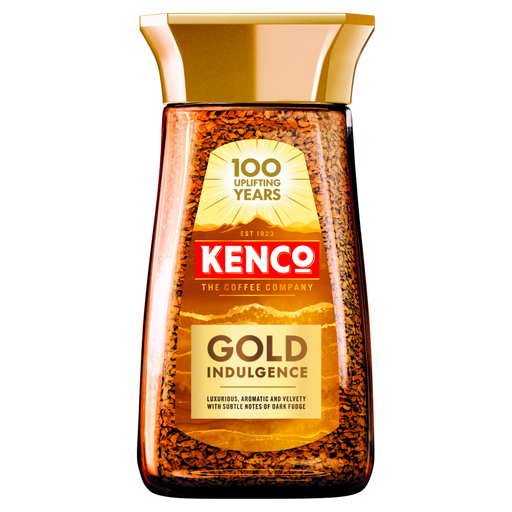
Why This Fits Their Persona: A sizeable everyday jar suits UK households that want a straightforward cupboard coffee with flexible serving strength.
It is listed as 100% responsibly sourced coffee and provides an approximate serving count, making quantity easier to assess.
195g jar; plain coffee ingredients; suitable for adjustable-strength drinks.
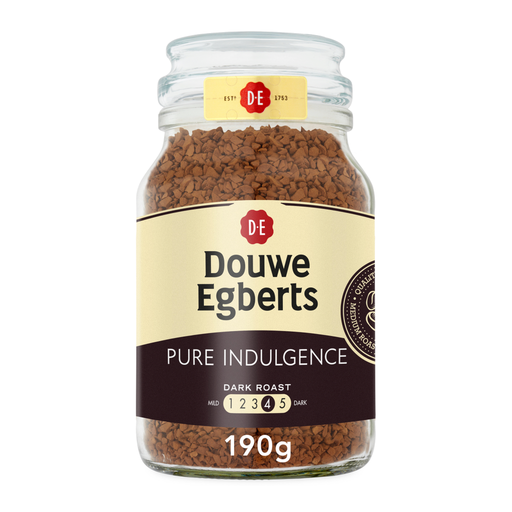
Why This Fits Their Persona: The dark-roast format is suited to drinkers who prefer a fuller, more pronounced cup without using brewing equipment.
The product specification identifies a dark roast and a strength of 4, rather than relying only on vague café-style language.
190g pack; 100% freeze-dried instant coffee; suitable hot or cold.
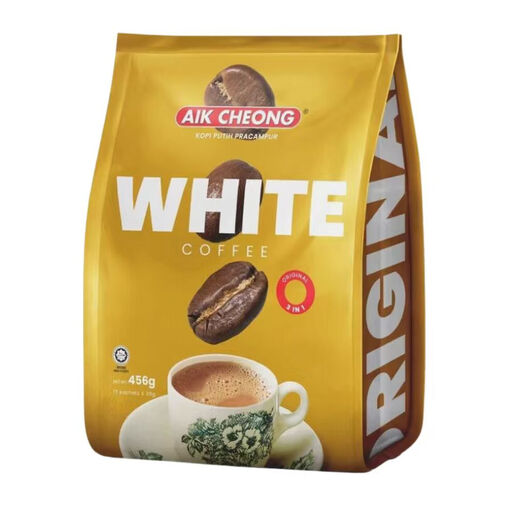
Why This Fits Their Persona: Individual Malaysian white coffee sachets work well for office drawers, travel and households that prefer a sweet, creamy premix.
The 38g portion and 180–200ml preparation guidance make the serving size clear, while the milk allergen is stated.
12 sachets; made in Malaysia; suitable for hot or iced white coffee.
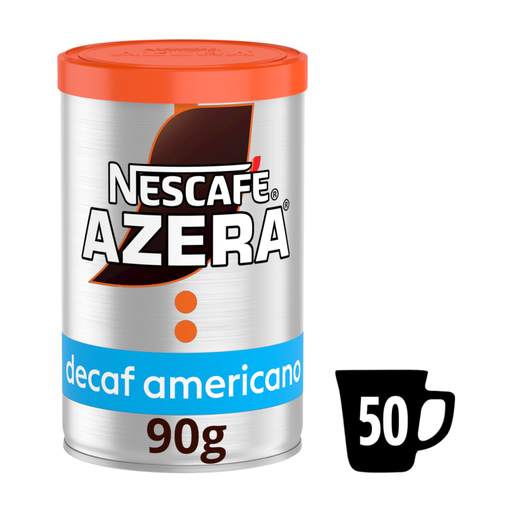
Why This Fits Their Persona: This decaf coffee is designed for shoppers who want an instant Americano format while limiting caffeine, including later-day drinkers.
The ingredient list identifies decaffeinated soluble coffee and decaffeinated roast-and-ground coffee, so the format is clear.
90g tin; no listed allergens; prepared by stirring into hot water.
We have compiled a complete, real-time list of products that fully satisfy these strict selection criteria and UK safety regulations.
Keep jars and sachets in a cool, dry place, away from steam, direct sunlight and strong odours. Close jars firmly after each use. Do not transfer coffee into an unlabelled container if you need to retain allergen, caffeine or best-before information.
For sachets, keep the outer box dry and leave individual portions sealed until needed. Always check the best-before date on the packaging, particularly when buying a coffee multipack or stocking up for occasional use.
It can be, depending on the product and serving size. Instant coffee does not require pods, filters or machine maintenance, and you only heat the water you need. Compare the total pack price with the stated number of servings, while remembering that 3-in-1 sachets may contain more ingredients and have a different cost per cup.
Use freshly boiled water that has cooled briefly, follow the recommended powder-to-water ratio and stir thoroughly. For latte sachets or white coffee, using the stated water volume helps preserve the intended balance. You can also add milk to plain instant coffee or serve suitable freeze-dried coffee over ice.
Decaf coffee may contain a small amount of caffeine because decaffeination removes most, rather than necessarily all, caffeine. Check the product label for current information. If you are pregnant, breastfeeding, sensitive to caffeine or managing a health condition, seek advice from a qualified healthcare professional and follow UK guidance.