Care-home catering teams
Teams preparing coffee throughout the day need an everyday option with clear preparation instructions, while allowing for residents who prefer a different flavour.


For care-home dining, a smooth or medium-roast instant coffee can be an everyday choice if residents favour that flavour, but one blend should not be assumed to suit everyone. Keep decaf clearly distinguishable where an individual wants or needs it, and consider a bolder regular coffee where residents ask for one. For repeated service, compare preparation instructions and pack sizes as well as taste.
The choice needs to work for both the people drinking the coffee and the staff preparing it.
Teams preparing coffee throughout the day need an everyday option with clear preparation instructions, while allowing for residents who prefer a different flavour.
Staff choosing drinks for residents need to distinguish personal taste from any relevant care arrangements, rather than offering everyone the same cup.
Where residents request or need to avoid caffeine, buyers need a decaffeinated coffee that staff can identify separately from regular blends.
Begin with residents’ drink preferences, then check whether each option can be prepared and identified consistently during service.
| Priority | What to check | Your needs |
|---|---|---|
| Flavour choice | Compare the maker’s description of smooth, medium-roast and bolder blends. Check residents’ preferences rather than treating a roast description as a measure of acceptance. | I want an everyday coffee that residents will choose, with a different regular blend available if some prefer a fuller flavour. |
| Decaf identification | Check that the product is labelled decaffeinated. Keep its storage position and staff instructions distinct from those for regular coffee. | When someone requests decaf or it forms part of their arrangements, I need staff to be able to select the intended jar. |
| Repeated preparation | Read the pack’s serving instructions and agree a starting measure for staff. Compare pack size with how quickly the home uses coffee and follow its storage directions. | Different shifts should be able to prepare a cup consistently without leaving an opened pack in use longer than suits our routine. |
| Delivered ingredients | Check the label on each delivered product, particularly if the coffee includes whitener or flavourings. Check additions served with plain coffee separately. | I need ingredient information for the drink actually being served, not just the plain coffee or an earlier product listing. |
A fuller-flavoured blend may suit residents who ask for it but leave little choice for those who prefer a smoother cup.
Ask about residents’ preferences before settling on the everyday blend, and add a bolder option where there is demand.
A regular blend is not a substitute when a resident has asked for decaffeinated coffee or has a relevant individual arrangement.
Keep decaf clearly labelled in storage and on service instructions, and check the intended choice before preparing a drink.
A larger pack still needs to fit the home’s rate of use and the storage instructions on its label.
Compare pack size with consumption, close opened packs as directed and check their labelled dates.
The delivered product is the one staff will serve; coffee mixes and added whiteners also need to be considered separately from plain coffee.
Read the delivered labels and update the home’s ingredient and allergen information when the product or its additions change.
These brand examples illustrate different flavour and pack-format choices; a brand description cannot establish which coffee individual residents will prefer.
NESCAFÉ describes Original as full and bold, while Gold Blend combines Arabica and Robusta beans in a medium roast.
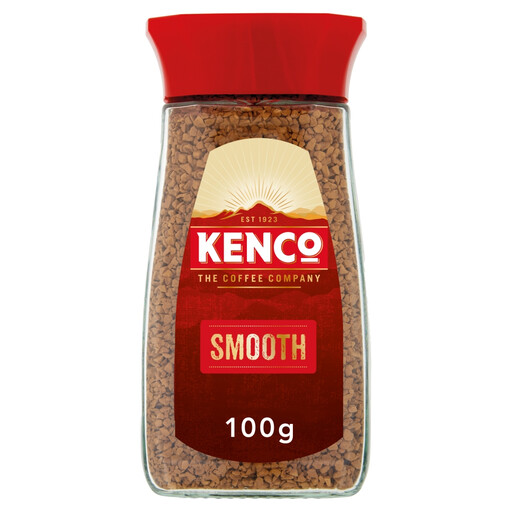
Kenco describes Smooth as a medium-roast blend, Rich as a more intense medium-to-dark roast, and Decaf as caffeine-free.
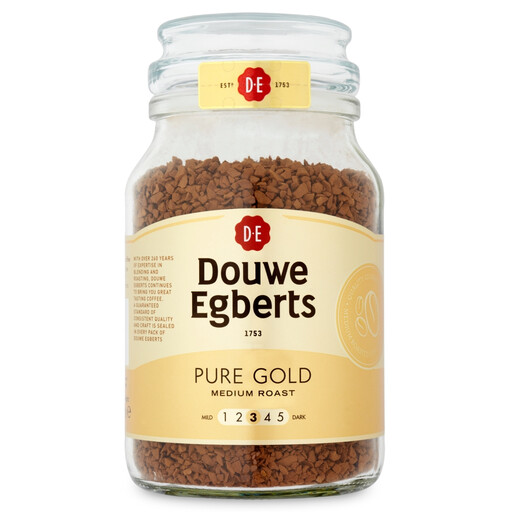
JDE Professional describes Pure Gold as mild, smooth and balanced, and lists a 300g × 10 professional format.
Retailer descriptions present Carte Noire Classique as a richer-tasting instant coffee, with a suggested preparation of 1–2 teaspoons per cup.
Sainsbury's lists a 500g Gold Roast instant coffee and describes its flavour as smooth and rich.
These jars cover smooth or medium-roast everyday choices, a decaffeinated choice and another regular coffee to consider when residents ask for a different flavour. Compare each pack with the preferences and preparation routine in your home.
 No image available
Consider this Kenco medium-roast coffee for an everyday option if residents prefer its smooth flavour. Check the pack’s serving instructions before agreeing a measure for staff preparation.
 No image available
This 100g decaffeinated instant coffee is a distinct choice for residents who request decaf. Keep it clearly identified during service and check the delivered label for preparation instructions.
 No image available
This 190g medium-roast jar is another regular-coffee option to consider for everyday service. Compare its size with the home’s rate of use and check the pack instructions before setting a serving measure.
 No image available
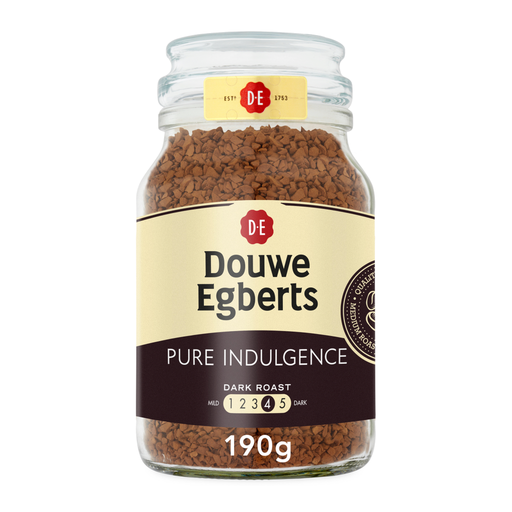
Consider this 190g regular coffee if residents ask for an alternative to the everyday blend. Check the delivered pack’s flavour description and preparation instructions before adding it to service.
Not if one blend fails to reflect residents’ individual drink preferences. Ask which flavours residents want and consider separate regular and decaf choices where those choices are relevant; do not assume that everyone wants a stronger or a smoother cup.
No blanket age-based switch is warranted. Offer decaf when a resident prefers it or an individual arrangement calls for it, while keeping regular coffee available for residents who choose that option. Kenco describes its Decaf blend as caffeine-free.
Follow the instructions on the particular pack and close it after use. For its Pure Gold coffee, Douwe Egberts advises keeping the packaging tightly sealed; check each product’s labelled storage directions when setting the kitchen routine.
Check the label on the product delivered for service instead. Review any whitener, flavouring or other addition separately, and update the home’s records if the product or its formulation changes.
No. GOV.UK states that its Safer Food, Better Business supplement for residential care homes is not intended for nursing homes, which require other food-safety procedures. Nursing-home staff should check the procedures applicable to their service rather than relying on that supplement.