Hosts serving mixed preferences
When you cannot ask everyone in advance, a smooth or medium-profile jar is a practical starting point. Keep a stronger blend optional rather than assuming every guest wants one.


For a coffee morning with mixed or unknown preferences, start with a smooth or medium-profile instant coffee rather than making an explicitly strong blend the only choice. Add a clearly labelled decaf jar if guests may want one, and offer a richer or darker blend when you know some guests prefer a more intense cup. Follow each selected pack’s serving directions and let guests add milk or sugar themselves.
The main distinction is whether guests’ preferences are unknown, clearly favour a stronger coffee, or call for a separate decaf choice.
When you cannot ask everyone in advance, a smooth or medium-profile jar is a practical starting point. Keep a stronger blend optional rather than assuming every guest wants one.
If guests have said they enjoy a fuller, more intense cup, consider a rich or dark blend. For a mixed group, it can sit alongside a smoother jar.
Put decaffeinated instant coffee in its own clearly labelled jar, so guests can identify it before making a drink without having to explain their preference.
Choose the main jar by the tastes you expect, then decide whether a second blend or decaf would make the self-serve table easier for guests to use.
| Priority | What to check | Your needs |
|---|---|---|
| Main blend | Compare the pack’s flavour description and intensity label. Kenco describes Smooth as less overtly strong or bitter; Sainsbury’s labels Gold Roast Smooth & Rich, medium 3. Intensity labels do not establish how every guest will experience the taste. | I do not know everyone’s preference, so I want a main jar that is not explicitly positioned as an intense roast. |
| Stronger option | Look for a stated rich or dark profile rather than assuming every coffee called “original” tastes the same. Kenco describes Rich as robust and labels it intensity 9; Sainsbury’s describes Carte Noire Intense as a dark roast. | Some guests have asked for a more pronounced coffee. I can offer it separately without making it the only choice. |
| Decaf | Check that the jar is explicitly labelled decaffeinated, and keep its name visible at the serving table. Sainsbury’s identifies Gold Roast Decaffeinated as decaffeinated instant coffee. | I would like guests to be able to choose decaf without guessing which jar contains it. |
| Preparation | Follow the chosen pack’s amount-per-cup and water instructions. Sainsbury’s Gold Roast specifies one teaspoon per cup; that measure should not automatically be applied to another product. | Several people may prepare their own cups, so clear instructions and separate milk and sugar will make individual choices simpler. |
| Food-business service | If a food business runs the event, check current labels for the coffee and every addition supplied. GOV.UK’s allergen guidance requires food businesses to provide allergen information. | I need guests to be able to identify the additions on offer and obtain their allergen information before serving themselves. |
Kenco distinguishes its robust Rich coffee from Smooth, which it describes as less overtly strong or bitter. Those profiles serve different tastes.
Start with a smooth or medium-profile jar for mixed preferences; add a richer choice if guests have asked for it.
Guests cannot reliably tell which prepared coffee or unmarked jar is decaffeinated.
Use a separate, clearly labelled decaf jar and keep its pack available for guests who want to check it.
Serving directions belong to the selected product. For example, Sainsbury’s gives a one-teaspoon-per-cup instruction for its Gold Roast coffee.
Check each pack before writing a serving note, and leave milk and sugar for guests to add themselves.
Milk and other additions need to be considered alongside the coffee when guests ask about allergens. GOV.UK guidance requires food businesses to provide allergen information.
Keep current labels accessible and make allergen information available for everything supplied.
These product descriptions help distinguish flavour routes; they are not independent taste tests or a list of what is available to buy on Joybuy.
NESCAFÉ describes Original as a medium-intensity instant coffee with a full, bold taste.
Kenco positions Smooth and Rich as distinct choices rather than interchangeable jars.
Sainsbury’s describes Pure Gold as a smooth, aromatic medium-roast instant coffee.
Sainsbury’s describes Classique as rich and smooth and Intense as a dark-roast Arabica-and-Robusta blend.
Sainsbury’s lists regular and decaffeinated Gold Roast instant coffees, both labelled medium 3.
These jars cover smoother-profile choices, a separate decaf option and coffees labelled intense or dark roast for guests who prefer a stronger profile.
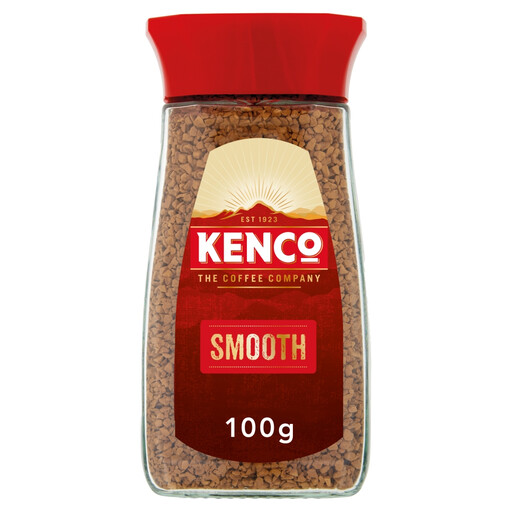 No image available
A smooth-profile option to consider as the main jar when preferences are mixed. Check its pack for the serving amount before setting out instructions.
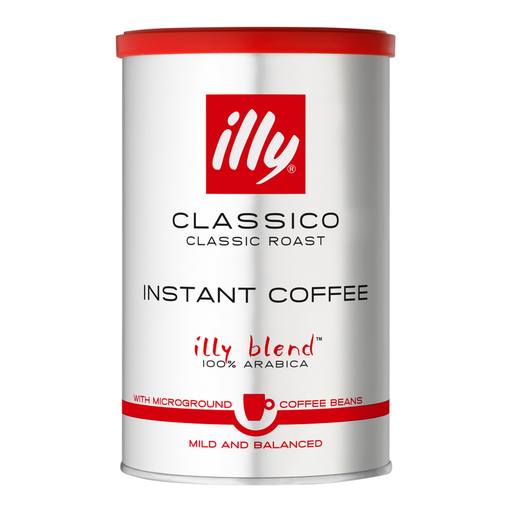 No image available
Another smooth-taste option for a coffee morning. Check the actual pack’s preparation directions before putting serving instructions beside the jar.
 No image available
Use this decaf coffee as a separate, labelled choice alongside regular coffee. Follow its own pack directions for each cup.
 No image available
Its stated intense, dark-roast profile makes it a choice to consider when guests have asked for stronger-tasting coffee, rather than the only jar for an unknown group.
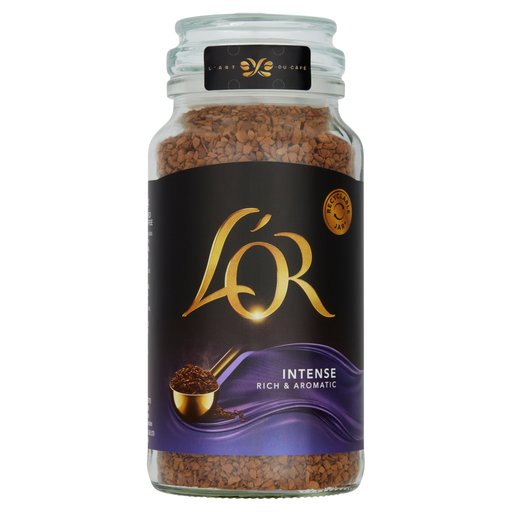 No image available
An intense-labelled option for guests seeking a more pronounced coffee. If roast level matters to your choice, check the pack’s flavour description.
For a group with mixed or unknown tastes, choose a smooth or medium-profile jar rather than an explicitly intense blend. Kenco describes Smooth as not overly strong or bitter, while Sainsbury’s labels its regular Gold Roast medium 3; neither description guarantees that everyone will prefer it.
Yes, if you are offering decaf, keep it in a distinct, clearly labelled jar so guests can choose it knowingly. Decaffeinated products such as Sainsbury’s Gold Roast Decaffeinated provide that alternative without changing the regular coffee offered to others.
Use the instructions on the coffee you actually serve, and put a short serving note beside its jar. Sainsbury’s specifies one teaspoon per cup for Gold Roast, but that measure should not be assumed for every product; offer milk and sugar separately.
The business needs to provide allergen information for what it supplies, in line with GOV.UK’s guidance for food businesses. Check current labels for the coffee, milk and any other additions, and make the relevant information available before guests serve themselves.