For a cream tea with guests who have different tastes, start with a smooth or medium-roast instant coffee: NESCAFÉ describes Gold Blend as medium roasted and smooth, while Kenco describes Smooth as a medium roast. Offer a richer jar if guests prefer a more pronounced coffee, and a separate decaf option when caffeine reduction matters. Strength numbers from different brands are not a shared scale.
Who is the coffee for?
The useful distinction is whether one jar must serve a mixed group or whether guests can choose between coffee profiles.
Hosts serving a mixed group
If coffee will be served alongside scones, clotted cream and jam, a smooth or medium-roast description is a practical starting point for the shared jar. NESCAFÉ Gold Blend and Kenco Smooth are described in those terms by their brands; guests who want a stronger-tasting cup can choose another option if one is available.
Guests who prefer pronounced coffee
Someone who usually chooses a robust black coffee may prefer a richer alternative. Kenco describes Rich as an intensity-9 coffee, while Sainsbury's lists Douwe Egberts Pure Indulgence as a dark roast with strength 4. Those figures describe different product lines, not a direct comparison between them.
Guests limiting caffeine
A clearly labelled decaf jar gives these guests a choice without making everyone drink the same coffee. NESCAFÉ describes Gold Blend Decaf as a medium-roast decaf option. Guests managing a strict caffeine limit should check the information for the particular product and consider caffeine from other drinks and foods.
What should you check?
Choose the main jar by the flavour your group is likely to want, then decide whether a richer coffee or decaf needs a place beside it. Check the exact product rather than relying on a brand name alone.
| Priority |
What to check |
Your needs |
| Shared-jar flavour |
Read the roast and flavour wording on the exact jar. NESCAFÉ calls Gold Blend medium roasted and smooth; Kenco calls Smooth a medium roast. |
I want one coffee to serve with scones, cream and jam without choosing a pronounced profile for everyone. |
| Richer alternative |
Look for a product-specific rich or dark description. Kenco labels Rich intensity 9; Sainsbury's lists Douwe Egberts Pure Indulgence as dark roast, strength 4. Do not compare the numbers as a common scale. |
Some guests prefer their coffee to have more presence, particularly when they drink it black. |
| Decaf choice |
Check that the jar is explicitly labelled decaf and keep it identifiable when serving. NESCAFÉ describes Gold Blend Decaf as a medium-roast option; check the particular pack if caffeine content matters. |
I would like guests who are reducing caffeine to be able to choose a separate coffee. |
| Exact jar and label |
Confirm the pack size, ingredients, current label and availability for the product you intend to buy. A retailer listing is not a substitute for checking the jar before serving. |
When several jars share a familiar brand name, I need to know which blend and pack I am actually buying. |
What could lead to the wrong jar?
-
Treating every strength number as equivalent
Kenco Rich carries an intensity rating of 9, while Sainsbury's lists Douwe Egberts Pure Gold at strength 3 and Pure Indulgence at strength 4. These labels do not establish a shared cross-brand scale.
Compare roast and flavour descriptions as well as numbers. Within one range, check how the maker distinguishes its smoother and richer jars.
-
Making a rich coffee the only choice for everyone
A darker or more pronounced profile may suit guests who seek it, but it need not be the default for a mixed cream-tea group.
Choose a smooth or medium-roast main jar, then add a richer one if you know guests would welcome that choice.
-
Assuming a smaller caffeinated cup replaces decaf
A smaller serving is still caffeinated. For guests managing total daily intake, caffeine from the rest of the day matters too.
Offer a separately labelled decaf jar when caffeine reduction is important, and let guests check the product information relevant to their needs.
-
Relying on an old product listing
Availability can change: the Tesco listing for Carte Noire Instant Coffee 200G was marked out of stock when checked. A listing may also differ from the pack ultimately supplied.
Confirm availability before ordering and read the physical jar's size, ingredients and other label information before serving.
Brand and range references
These named ranges illustrate different flavour and decaf choices; a brand name by itself does not tell you which jar will suit your guests.
NESCAFÉ
NESCAFÉ describes Gold Blend as medium roasted with a smooth taste and also offers Gold Blend Decaf.
- Gold Blend provides a documented smooth, medium-roast starting point for the shared jar.
- Check the exact variant: Gold Blend and Gold Blend Decaf serve different caffeine preferences.
Kenco
Kenco describes Smooth as a medium roast and Rich as a more robust choice with an intensity rating of 9.
- The two named jars offer a clear smooth-or-richer choice within the range.
- Kenco's intensity rating should not be used to rank a different brand's strength label.
Douwe Egberts
Sainsbury's lists Pure Gold as medium roast, strength 3, and Pure Indulgence as dark roast, strength 4.
- The named products give shoppers a medium-roast and a darker option within the same range.
- Check the current pack label for the particular jar before buying or serving.
Carte Noire
Tesco describes its Carte Noire Instant Coffee 200G listing as an Arabica-rich freeze-dried coffee with a rich, velvety profile.
- The listed product gives guests seeking a richer profile another named option to consider.
- Tesco marked that listing out of stock when checked; confirm current availability rather than planning around it.
Tesco Finest
Tesco lists Finest Americano Barista Style and Intenso Barista Style instant coffees in 100g formats.
- The named products provide two distinct jars to inspect within Tesco's own range.
- Read each jar's flavour and roast description before deciding which belongs at a cream tea.
Joybuy instant coffee options
These jars include smooth shared-coffee choices, a decaf option and more intensely labelled alternatives. If you are buying one jar for a mixed group, check the exact roast and flavour description rather than assuming every option fills the same role.
 No image available
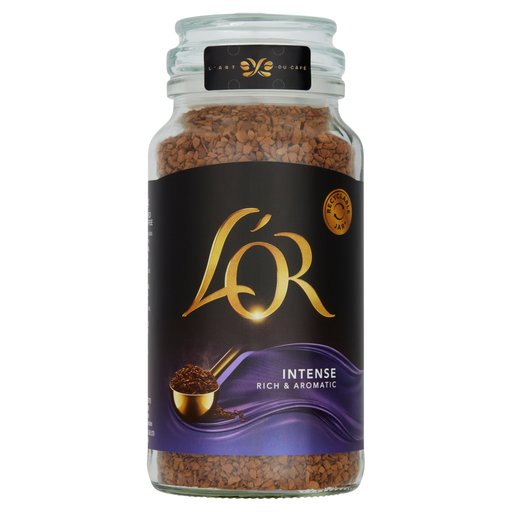
L'OR Intense Coffee 150g
The Intense variant is worth considering when guests ask for a more pronounced coffee. If this will be your only cream-tea jar, check the pack's roast and flavour description against the preferences of the whole group.
View on Joybuy
 No image available
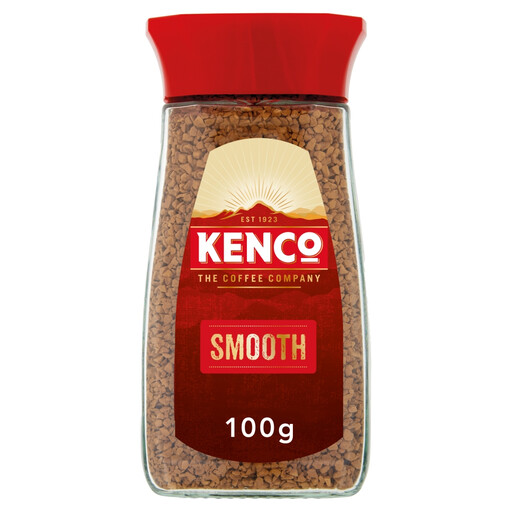
Kenco Smooth Coffee 100g
A candidate for the shared jar when you want the smooth profile named on the product. Kenco describes Smooth as a medium-roast instant coffee; check the current pack if a particular serving measure matters.
View on Joybuy
 No image available
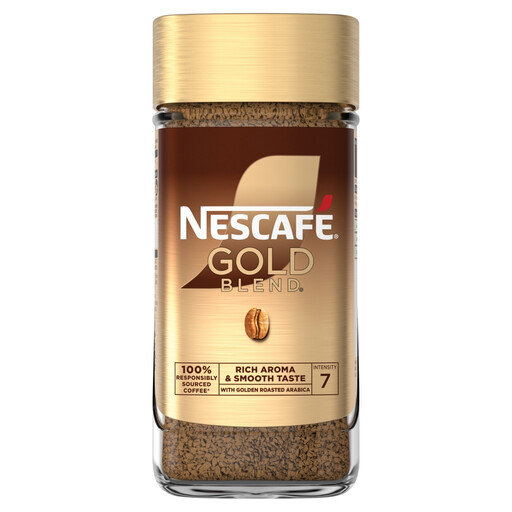
NESCAFÉ Gold Blend Coffee 190 g
Consider this jar for guests who would welcome a smooth shared coffee. NESCAFÉ describes Gold Blend as medium roasted; confirm the current pack if its precise roast description is decisive for your choice.
View on Joybuy
 No image available
NESCAFÉ Gold Blend Decaf Coffee 190g
This decaf variant gives guests reducing caffeine a separately identifiable choice. NESCAFÉ describes Gold Blend Decaf as medium roasted; check the particular pack's information if a strict caffeine limit matters.
View on Joybuy
 No image available
Costa Instant Intense Dark Roast 100g
The named dark-roast variant is an alternative for guests who specifically prefer a more pronounced coffee. Consider a smoother jar as well if you are serving people with different tastes.
View on Joybuy
Cream-tea coffee questions
Should I choose medium or dark roast for a cream tea?
Start with a smooth or medium-roast instant coffee if one jar must serve a mixed group; NESCAFÉ describes Gold Blend as medium roasted and smooth, and Kenco describes Smooth as a medium roast. A darker jar makes more sense as an additional choice when guests prefer pronounced coffee. Do not compare strength numbers across brands as though they share one scale.
How strong should I make instant coffee for guests?
Follow the preparation directions on the chosen jar rather than using another product's measure. You can serve milk and sugar separately so guests can adjust their own cups to taste.
Is it worth offering decaf?
Offer a clearly labelled decaf jar if guests may be reducing caffeine or the cream tea is later in the day. NESCAFÉ describes Gold Blend Decaf as a medium-roast option. Guests managing a strict caffeine limit should check the particular product's information and account for other caffeine they consume.
What should I check before serving a jar kept from another occasion?
Check the jar's best-before date, storage directions and current label before serving it. If you are replacing it with a new jar, confirm the exact blend and pack size rather than assuming every product in the same range is identical.


