People with diabetes choosing an everyday coffee
Plain granules let you decide separately whether to add milk, sugar or sweetener. Check the finished drink as well as the coffee in the jar.


For an everyday cup where you choose the additions, start with a plain instant coffee and check the ingredients on the exact pack. A plain decaf is an option if you also want to reduce caffeine; a sweetened sachet is a different choice, as NESCAFÉ Original 3in1 contains milk and sugar and lists 8.4g sugars per prepared mug. The finished drink depends on what you add, so no coffee format is automatically suitable for everyone with diabetes.
The useful distinction is between coffee you prepare with your own additions and a mix that already contains them.
Plain granules let you decide separately whether to add milk, sugar or sweetener. Check the finished drink as well as the coffee in the jar.
A plain decaffeinated instant coffee addresses a caffeine preference without requiring a sweetened mix. Check the ingredients of the particular decaf product rather than assuming every decaf has the same formulation.
A creamy or sweet sachet can contain ingredients beyond coffee. Its prepared-serving nutrition is the relevant comparison when considering how it fits an individual eating plan.
Choose the format first, then compare the ingredients and the drink as prepared. In the Food Standards Agency and Ipsos Northern Ireland’s 2024 food-shopping survey, 611 people were interviewed in Northern Ireland between 16 September and 23 November; its findings are not specific to instant coffee or diabetes.
| Priority | What to check | Your needs |
|---|---|---|
| Added ingredients | Read the ingredient list for coffee, milk, sugar and other additions. Check whether the product is plain granules or a premixed sachet. | I’d rather choose what goes into my cup than have milk or sugar included in a mix. |
| Prepared drink | Compare sugars using the stated serving basis. Include anything you add yourself; a statement about black coffee made with water does not describe a cup with milk, sugar or creamer. | What matters to me is the drink I actually make, not just the granules before preparation. |
| Decaf choice | Check that the exact product is decaffeinated and read its ingredients separately. Decaf describes a caffeine choice, not whether a mix contains sugar. | I want less caffeine while still choosing my own additions. |
| Current label | Use the pack’s ingredient list, nutrition panel and preparation directions, particularly for flavoured or creamy products. Compare figures on the same basis, such as per prepared serving. | I want to check the product I’m buying rather than rely on an older listing. In the Food Standards Agency and Ipsos Northern Ireland’s 2024 survey, 49% of the 611 people interviewed reported actively using traffic-light labelling when shopping for food generally. |
| Purpose of the drink | Keep an everyday coffee choice separate from a hypoglycaemia plan. NHS hypo guidance identifies fast-acting glucose sources rather than plain instant coffee. | I need my usual drink choice and my own hypo-treatment plan to remain separate. |
“Instant coffee” does not tell you what else is in the prepared drink. NESCAFÉ says its Original 3in1 contains coffee, milk and sugar and lists 8.4g sugars per prepared mug.
Compare the sachet’s ingredients and prepared-serving nutrition with a plain coffee before choosing between them.
Nescafé’s statement about plain Original prepared with water does not cover milk, sugar or other additions.
Check the complete recipe you normally drink, including any syrup or creamer.
Plain instant coffee is not one of the fast-acting glucose sources identified in NHS guidance on low blood sugar.
Keep coffee selection separate from your individual hypo-treatment plan and follow the guidance given by your diabetes team.
Retailer product information can change, so a previous ingredient or nutrition listing may not describe the pack in hand.
Read the current pack for ingredients, sugars, allergens and preparation directions before using it to compare products.
A brand name alone cannot distinguish plain coffee from a sweetened mix; check the particular product and format.
The Original range includes plain instant coffee, Original Decaf and 3in1 sachets.
Kenco lists Smooth and Decaf among its instant-coffee options.
Pure Gold is a plain instant-coffee option.
Sainsbury’s describes Carte Noire Classique as freeze-dried instant coffee.
Tesco Finest Intenso Barista Style is an own-label coffee blend with ground-coffee content.
Sainsbury’s lists own-label Gold Roast and Gold Roast Decaffeinated instant coffees.
These jars offer plain or decaffeinated instant-coffee formats for choosing your own additions. Check each pack’s current label and serving directions when comparing the drink you will make.
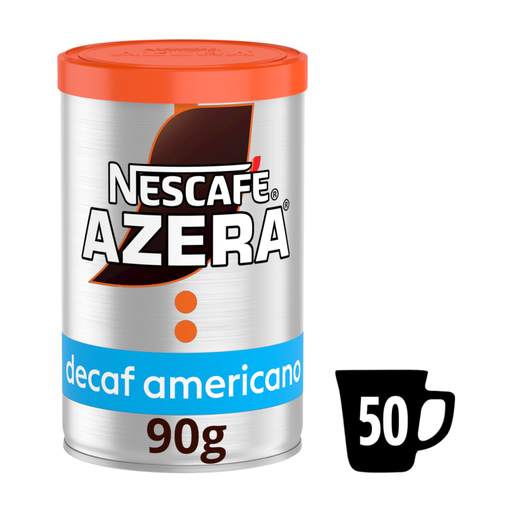 No image available
Consider this decaf Americano format if reducing caffeine is part of your coffee choice. Check the current pack for ingredients, serving directions and the nutrition of the drink as prepared.
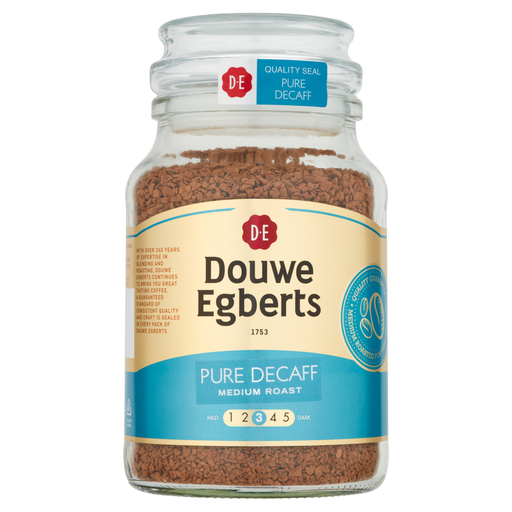 No image available
This decaffeinated instant coffee is an option when caffeine preference matters alongside the choice of additions. Read the current pack for its ingredients and prepared-serving information.
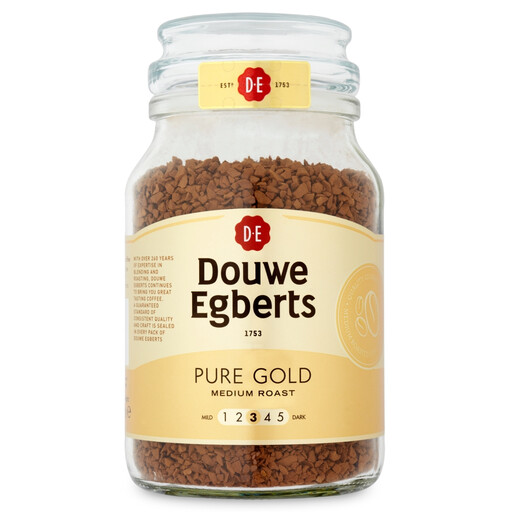 No image available
This medium-roast option suits a shopper considering a standard rather than a decaffeinated coffee. Check the 190g pack’s ingredients and account for anything added to the cup.
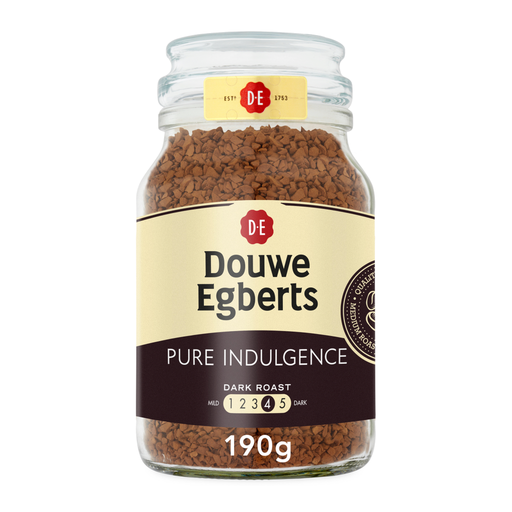 No image available
Consider this instant-coffee jar if you want to choose additions separately. If caffeine intake matters to you, check the current pack’s caffeine and preparation information before deciding.
 No image available
This 300g decaffeinated instant-coffee jar is another option for choosing additions yourself. Check its current pack for ingredients, prepared-serving nutrition and caffeine details relevant to your choice.
No. A plain coffee formulation can leave milk and sugar for you to add separately, but the finished drink changes with those additions. Check the exact product label and consider the complete cup in the context of your individual diabetes plan.
No. Nescafé describes Original 3in1 as containing coffee, milk and sugar, and lists 8.4g sugars per prepared mug. Check the prepared-serving nutrition for the particular sachet rather than applying a plain coffee’s details to it.
Decaf is a choice for reducing caffeine, not a blanket diabetes requirement. Nescafé says most caffeine is removed from its Original Decaf; check the exact product’s ingredients too if you want a plain coffee rather than a sweetened mix.
No. NHS guidance on low blood sugar identifies fast-acting glucose sources, not plain instant coffee, for hypo treatment. Follow your individual treatment plan rather than relying on an everyday coffee.