Start with a plain instant coffee that you can prepare with water and without added sugar: Diabetes UK includes unsweetened coffee among drinks for people living with diabetes. Choose decaf if reducing caffeine matters to you, but assess the finished mug as well as the jar, particularly if you add milk, sugar or syrup. Check the current ingredients, nutrition information and serving instructions rather than treating “diabetic friendly” as a product guarantee.
Who is this for?
People with diabetes who drink black coffee
If you make instant coffee with water, the distinction is between a plain coffee jar and a drink with added ingredients. Diabetes UK includes unsweetened coffee among drinks for people living with diabetes.
Coffee drinkers reducing caffeine
A decaf jar keeps the instant-coffee routine while addressing a caffeine preference. Check the product label for its decaffeinated description rather than relying on a flavour name.
People who add ingredients to their coffee
Milk, sugar, syrup and creamers need to be considered as part of the finished drink. Diabetes UK explains that carbohydrates in food and drink are broken down into glucose, so the type and amount of additions matter.
What should you check?
Choose between regular and decaf coffee for your caffeine preference, then compare what goes into the mug and how each serving is described.
| Priority | What to check | Your needs |
|---|
| Added ingredients |
Read the jar’s ingredient list. Check whether the preparation calls for coffee and water or includes a sweetened mix. |
I want a straightforward coffee that I can make without adding sugar. Diabetes UK includes unsweetened coffee among drinks for people living with diabetes. |
| Caffeine |
Check whether the jar is regular or decaffeinated. If caffeine quantity matters to you, look for information that applies to the serving you make. |
A decaf jar suits me if I am cutting back on caffeine; that choice does not settle what else goes into my mug. |
| Finished drink |
Compare nutrition on the same preparation and serving basis. Account separately for the type and amount of milk, sugar, syrup or creamer you add. |
When I add ingredients, I need to consider the whole drink, not just the coffee granules. Diabetes UK notes that carbohydrates consumed in drinks are broken down into glucose. |
| Current label |
Check the pack’s ingredients, nutrition panel and preparation instructions. Use the stated serving size when comparing jars. |
I want to base my choice on the jar I am buying, particularly if its packaging or recipe has changed. |
Common buying mistakes
-
Judging the drink by the jar alone
Black coffee made with water and coffee made with additions are different finished drinks. Diabetes UK explains that carbohydrates consumed in food and drink are broken down into glucose.
Check the ingredients and portion of anything you put in the mug, as well as the coffee itself.
-
Using decaf as a shortcut for comparing nutrition
Decaffeination addresses caffeine; it does not account for sugar, syrup, milk or creamer added during preparation.
Choose regular or decaf for your caffeine preference, then check the ingredients and nutrition information relevant to the drink you make.
-
Relying on an older product listing
Tesco and Sainsbury’s warn that ingredients and nutrition information can change. An earlier listing may not describe the pack in front of you.
Read the current on-pack ingredients, allergen information, nutrition panel and serving instructions.
Brand references
These product-line examples help identify regular and decaf options; a brand name alone does not determine the nutrition of your finished coffee.
NESCAFÉ
Original is a regular instant coffee, while Original Decaf offers a decaffeinated route.
- NESCAFÉ describes Original Decaf as containing coffee only; its Original page describes a black mug made with water.
- Check the particular jar and anything added to the mug rather than treating regular and decaf as interchangeable preparations.
Kenco
Kenco lists a Decaf instant coffee alongside regular varieties such as Rich.
- Kenco describes its Decaf product as caffeine-free; Tesco lists Kenco Rich as a blend of instant coffee and roast and ground coffee.
- Check the exact variant and its serving information when comparing jars.
Douwe Egberts
Tesco describes Pure Gold 190 g as a medium-roast, freeze-dried instant coffee.
- The named product is a regular instant-coffee option for shoppers considering roast style.
- Use the current pack’s serving and nutrition information for a comparison of prepared drinks.
Tesco
Tesco Gold 200 g is listed as freeze-dried instant coffee.
- The listing identifies a plain instant-coffee format.
- Check the current pack because Tesco advises that food-product information can change.
Carte Noire
Sainsbury’s lists both Intense instant coffee and a freeze-dried decaffeinated Carte Noire coffee.
- The decaffeinated listing gives shoppers a separate caffeine-preference option.
- Read the label of the chosen product rather than assuming the two varieties have the same ingredients or preparation.
Instant coffee options on Joybuy
These options cover regular and decaffeinated instant coffee, including one multipack and one tin. If a jar is important to you, check the pack format as well as the coffee type.
 No image available
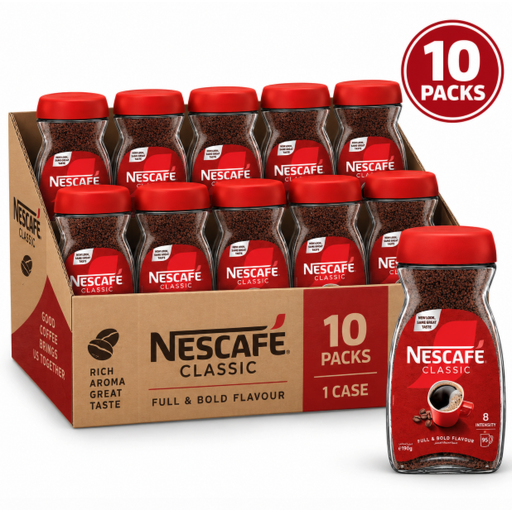
NESCAFÉ Classic Original 190g (Pack of 10)
A regular instant-coffee option if you plan to make black coffee with water. This is a pack of ten 190 g jars; check whether that quantity suits you and read the current label for serving information.
View on Joybuy
 No image available
Kenco Decaff Instant Coffee 100g
A decaffeinated option for a coffee-and-water routine. Joybuy lists decaffeinated instant coffee as its ingredient; follow the pack’s serving directions when assessing the finished drink.
View on Joybuy
 No image available
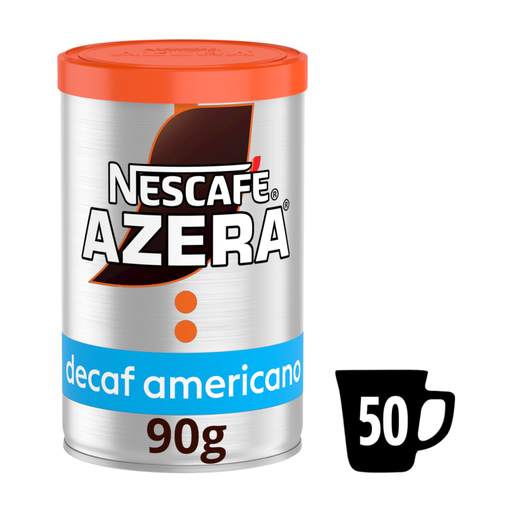
NESCAFÉ Azera Decaf Americano 90g
A decaf Americano option if a tin rather than a jar suits you. Check the pack’s preparation instructions before comparing nutrition for a finished mug with other coffees.
View on Joybuy
 No image available
NESCAFÉ Original Decaff Coffee 300g
A 300 g decaffeinated coffee option. If you are comparing the sugar or carbohydrate in prepared mugs, use the current pack’s ingredients, serving directions and nutrition information.
View on Joybuy
 No image available
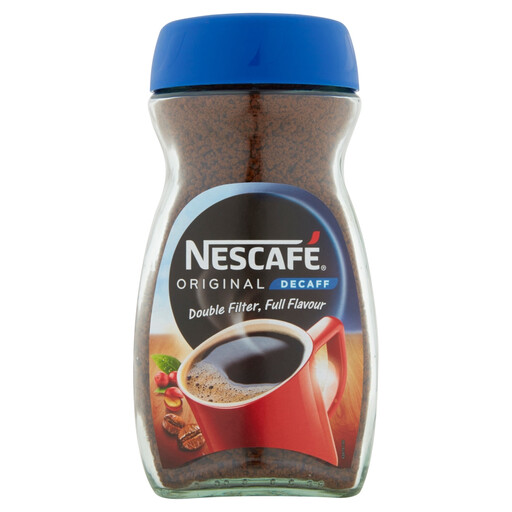
NESCAFÉ Decaf New Shape 200g
A 200 g decaffeinated coffee option. Check the serving instructions on the current pack and include any additions when assessing the drink you make.
View on Joybuy
Questions about choosing a jar
Can I choose plain instant coffee if I have diabetes?
Diabetes UK includes unsweetened coffee among drinks for people living with diabetes. For a plain instant coffee, preparation matters: make it without added sugar if that is your aim, and consider any ingredients you put in the mug.
Do I need to choose decaf?
Decaf is a choice for reducing caffeine, not a requirement established by the coffee jar alone. Diabetes UK advises cutting back on caffeine; check the description of the particular decaf product and assess additions separately.
Do milk and sweeteners change what I should compare?
Yes. Coffee made with water is a different finished drink from coffee with milk, sugar, syrup or creamer. Check the ingredients and portion of each addition; Diabetes UK explains that carbohydrates consumed in drinks are broken down into glucose.


