What should you check?
Choose the coffee format first, then check the exact product and the way you plan to prepare it. Organic status, added ingredients and caffeine answer different questions.
| Priority | What to check | Your needs |
|---|
| Plain preparation |
Read the ingredients for sugar, syrup, milk powder or creamer. Check whether nutrition values describe a water-only drink or a prepared mix. |
I want to decide for myself what goes into my coffee. Diabetes UK advises cutting back on sugar added to coffee. |
| Organic claim |
Look for an explicit organic claim on the exact pack. UK government guidance says food labelled organic must meet organic-production rules and the product and suppliers must be certified by an approved organic control body. |
Organic production matters to me, but I still need to check the ingredients and what I add to the cup. |
| Caffeine choice |
Check whether the product is regular or decaf, and compare any caffeine information on the stated serving basis. Check organic status independently if you want both. |
I prefer decaf, or I want to know how much caffeine a regular coffee contains. |
| Serving information |
Compare nutrition values using the same stated basis, such as per 100 ml or per prepared mug. Account for any milk, sugar or other additions you use. |
The drink I make needs to match the serving described on the label closely enough for the figures to be useful. |
Brand and product references
These examples illustrate different label and coffee-format checks; a claim about one product should not be applied to every coffee from the same brand.
Clipper
Clipper Tea Shop lists Fairtrade Organic House Blend as a freeze-dried organic instant coffee with coffee oil.
- The listed ingredients are organic instant coffee and 0.1% coffee oil.
- Check the current pack’s organic claim and prepare the drink according to your preferences; organic status does not describe any additions to the cup.
NESCAFÉ
NESCAFÉ describes Original as instant coffee and Original Decaf as 100% pure coffee.
- NESCAFÉ states that Original prepared without milk, sugar or other additions contains around 1–2 kcal per cup; it lists 0.1 g sugars per prepared mug for Original Decaf.
- Those product descriptions do not establish an organic claim. Check the exact pack if organic certification is a requirement.
Kenco
Kenco lists Rich, Smooth and Decaf instant coffees. It describes Smooth as a blend of freeze-dried instant and roast-and-ground coffee.
- The range offers regular and decaf formats to consider.
- Check the particular pack for an organic claim if certification matters to you.
Percol
Percol lists instant coffees including Colombian and Decaf, and describes Rainforest Alliance certification for its instant range.
- Its range includes a decaffeinated freeze-dried instant coffee.
- Do not treat Rainforest Alliance certification or recyclable-packaging information as an organic claim for a particular coffee.
Carte Noire
Sainsbury's describes Carte Noire Intense instant coffee as a dark-roast blend of Arabica and Robusta.
- The listing gives a preparation amount of one or two teaspoons per cup.
- Check the exact pack for an explicit organic claim if that is part of your choice.
Joybuy decaf coffee options
These options are decaf instant coffees for shoppers who want to reduce caffeine. If you also want an organic-labelled coffee, check that separate claim on the exact pack; for diabetes-aware preparation, check ingredients and anything you add to the drink.
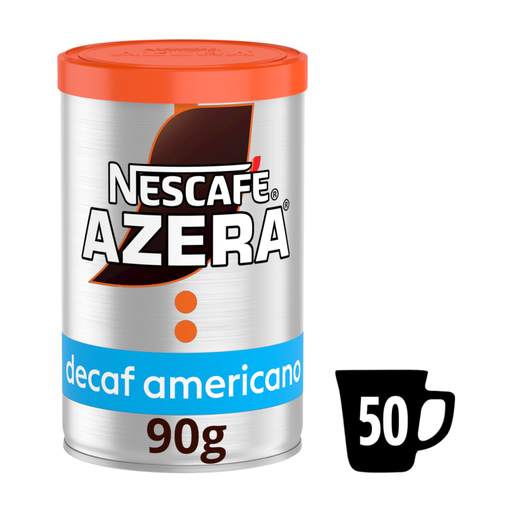 Image unavailable
NESCAFÉ Azera Decaf Americano 90g
A decaf instant Americano option in a 90g pack. Check the current pack for its ingredients, nutrition serving basis and any organic claim before deciding how it fits your usual preparation.
 Image unavailable
NESCAFÉ Original Decaff Coffee 300g
A 300g decaf instant coffee option if you prefer the Original range. Check the exact pack for an organic claim and for nutrition values relevant to the drink you prepare.
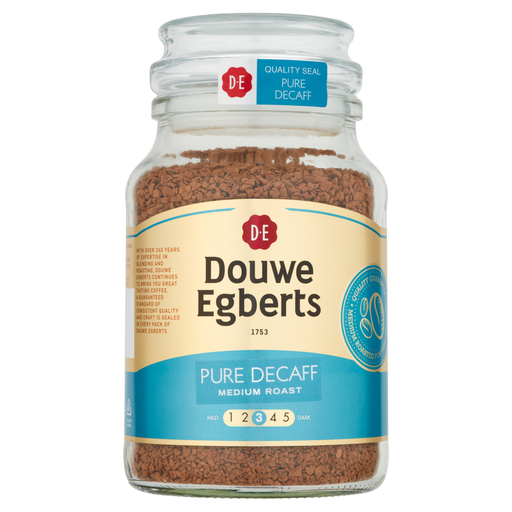 Image unavailable
Douwe Egberts Pure Decaffeinated Instant Coffee 190g
A 190g decaf instant coffee option. If both organic status and what goes into the finished cup matter to you, check the pack’s claims and ingredients, then account for any additions.
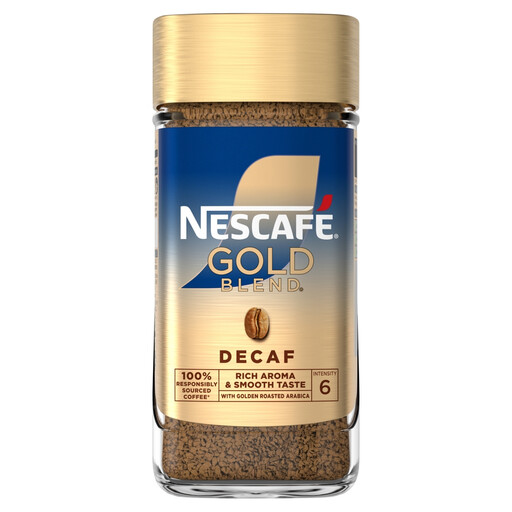 Image unavailable
NESCAFÉ Gold Blend Decaf Coffee 190g
A 190g decaf option in the Gold Blend range. Read the current pack for its organic status, ingredient list and the serving basis of any nutrition information.
Frequently asked questions
Does organic instant coffee automatically suit someone managing diabetes?
No. UK organic-labelling rules concern production and certification, not the ingredients added to a finished drink. Check the coffee product and any sugar, syrup, milk or creamer you use with it.
How can I check an organic claim on instant coffee in the UK?
Look for an explicit organic claim on the exact product and review its pack information. UK government guidance says food labelled organic must meet organic-production rules and that the product and suppliers must be certified by an approved organic control body.
What does Diabetes UK say about unsweetened coffee?
Diabetes UK includes unsweetened coffee among suitable drink choices for people living with diabetes and advises cutting back on sugar added to coffee. Your own diabetes care plan remains relevant to individual decisions.
Is decaf instant coffee also organic?
Not necessarily. Decaf describes a caffeine choice; organic is a separate production claim. Check both on the specific pack if both matter to you.
Can coffee replace a hypo treatment?
No. NHS guidance specifies fast-acting glucose sources for low blood sugar, not coffee. Follow your personal diabetes plan for treating a hypo.


