First-time household shoppers
A jar lets you measure each drink without committing to hundreds of individually wrapped portions. A small sachet pack is another way to try a pre-mixed recipe before buying more.


For a first household food shop, start with a jar or a smaller sachet pack rather than committing to 240 portions, unless several people will use individually portioned coffee regularly. Choose plain coffee if drinkers want to add their own milk or sugar; choose pre-mixed sachets only if their recipe suits the people who will drink them. Check the portion count, ingredients and preparation method before buying a large box.
The number of people making coffee, and whether they want to mix each drink themselves, matter more than a headline pack count.
A jar lets you measure each drink without committing to hundreds of individually wrapped portions. A small sachet pack is another way to try a pre-mixed recipe before buying more.
Plain coffee sticks give each person a portion without sharing a jar. Coffee Supplies Direct lists 200-stick Kenco packs and 500-stick Douwe Egberts packs, so check the actual count against how often the kitchen will use them.
Keep plain coffee, milk-containing sachets and decaf as separate choices. Read the ingredients and allergen declaration for the exact product, and check its caffeine information if that affects your choice.
Decide whether the household wants adjustable plain coffee or a fixed sachet recipe, then choose a pack size that fits the number of drinkers.
| Priority | What to check | Your needs |
|---|---|---|
| Pack format | Check the weight of a jar or refill, or the number of sticks or sachets. Confirm whether each portion contains plain coffee or a pre-mixed drink. | For a first shop, I would rather buy a quantity the household will use than choose 240 portions for the count alone. |
| Drink recipe | Read what is already mixed into a sachet and how much water it needs. Nescafé describes its 3-in-1 as coffee, milk and sugar; plain granules leave additions to the drinker. | Some of us take coffee black, while others add milk or sugar. A jar or plain coffee sticks leave those choices open. |
| Caffeine | Look for a clearly identified decaf variant rather than assuming every product in a brand’s range has the same caffeine profile. | I want a decaf choice alongside standard coffee, without assuming the two packs are interchangeable. |
| Ingredients and allergens | Check the exact pack’s ingredient list and allergen declaration, particularly for latte, cappuccino and 2-in-1 or 3-in-1 recipes. | When several people will share a box, I need to know whether its recipe contains ingredients they must avoid. |
| Preparation and storage | Check the stated water quantity and serving directions. Follow the pack’s storage and best-before information; Nescafé directs buyers to keep Gold Blend in a cool, dry place. | I want a format that works with what is in the kitchen and can be stored as the pack directs. |
A count of 240 does not tell you whether the portions are plain coffee sticks, milk-based sachets or another multi-pack format. Those make different drinks and call for different additions.
Confirm the recipe and portion size, then work out how many people will use the box and how often.
Milk and sugar can already be part of the recipe. For example, Nescafé identifies both in its 3-in-1 sachet, whereas plain coffee allows drinkers to add them separately.
Read the ingredients, allergens and nutrition information for the prepared drink before committing to a large quantity.
A box of portioned sticks and a jar measured by the teaspoon do not offer the same preparation method. A larger count is useful only if the portions and recipe fit regular use.
Compare products of the same drink type, and check the pack size against the household’s expected use.
Names such as “instant coffee” or “white coffee” do not establish the full recipe or allergen declaration. This matters especially when buying for other people.
Check the exact pack’s ingredients, highlighted allergens, net weight and best-before information.
These ranges illustrate formats to compare; a brand name alone does not establish the recipe or pack size of a particular product.
Nescafé has plain granules and pre-mixed sachets with different preparation and ingredient requirements.
Kenco lists Rich, Smooth and Decaf instant coffees alongside coffee-shop-style drinks.
The range appears in both supermarket jar listings and larger catering formats.
Tesco’s instant-coffee category provides supermarket formats to compare with branded jars, refills and sachets.
Sainsbury's lists own-label standard and decaffeinated instant-coffee jars alongside branded products.
These options cover a plain coffee jar, a decaf jar and a smaller 2-in-1 sachet pack for different first-shop preferences. They are not a like-for-like selection of 240-portion boxes.
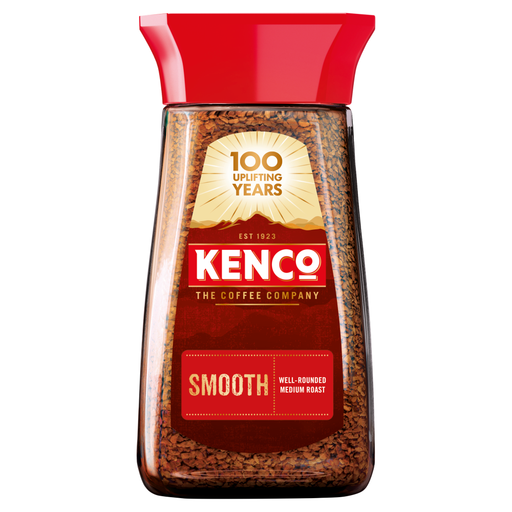 No image available
A 200g plain instant-coffee option for a household that wants to measure each drink and add milk or sugar separately.
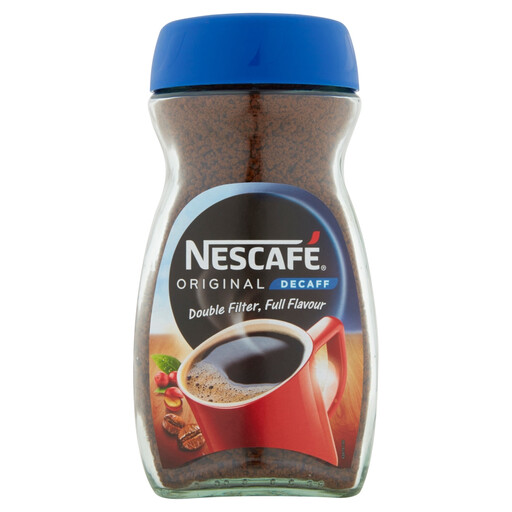 No image available
A 200g decaffeinated instant-coffee option when the household wants a jar rather than individually portioned sticks. Check the exact pack information if a specific caffeine level matters.
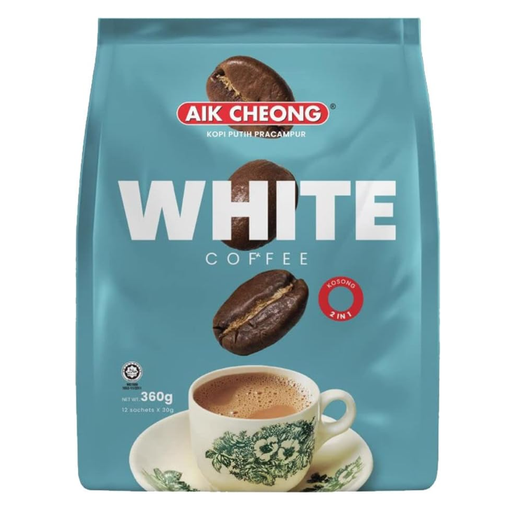 No image available
A 12-sachet pre-mixed option for trying this recipe without buying a catering-scale box. Check the pack’s ingredients, allergens and nutrition information, particularly if milk or sugar content affects the choice.
Start with a jar or smaller portioned pack unless you know several people will use the box regularly. Tesco and Sainsbury's list household jars and smaller sachet packs, while Coffee Supplies Direct lists plain coffee sticks in 200- and 500-count formats; check what a proposed 240-pack actually contains before choosing it.
Plain coffee sticks portion the coffee, leaving milk and sweetener to be added separately if wanted. Nescafé describes its 3-in-1 sachets as a mixture of coffee, milk and sugar, so check that the fixed recipe suits everyone who will drink them.
Follow the directions and best-before information on the exact pack. Nescafé directs buyers to store Gold Blend in a cool, dry place; check the instructions for any other product you choose.
Yes, particularly when choosing a latte, cappuccino or 3-in-1 recipe rather than plain coffee. Read the exact product’s ingredient and allergen information; the Food Standards Agency says UK food businesses must provide allergen information for prepacked and non-prepacked food and drink.