What should you check before choosing?
Choose the flavour direction first, then check how you will prepare the coffee and whether caffeine or pack format affects your choice.
Bold, robust cup
Consider it when: You enjoy a pronounced roast flavour and usually add milk to your breakfast coffee.
Trade-off: A darker or more intense description may point towards a punchier taste, which will not suit everyone who dislikes bitterness.
Smooth, balanced cup
Consider it when: You prefer a rounded coffee, especially if you drink it black or add only a little milk.
Trade-off: A smoother profile may taste less pronounced to someone seeking a dark-roast cup.
| Priority |
What to check |
Your needs |
| Flavour profile |
Read the roast and flavour description. Distinguish dark, full-bodied or robust wording from smooth or medium-roast descriptions; these are starting points rather than a taste test. |
I would like my coffee to remain pronounced beside breakfast, or I would rather choose a rounder cup with less bitterness. |
| Intensity label |
Check what the maker’s scale describes. NESCAFÉ explains that strength numbers generally refer to flavour intensity, not caffeine; do not treat different brands’ scales as equivalent. |
A strength number helps me narrow down flavour within a range, but I do not want it mistaken for a caffeine measurement. |
| Preparation |
Follow each pack’s coffee-to-water instructions. Keep the amount of milk, coffee and water consistent when comparing cups at home. |
I add milk and want to judge how each blend tastes when prepared the way I normally drink it. |
| Caffeine |
Look for caffeine information for the prepared serving where available, and account for other sources of caffeine. Do not infer caffeine content from roast or intensity wording. |
If I need to monitor caffeine, the amount in my prepared cup matters more than whether its flavour is labelled smooth or intense. |
| Pack format |
Check jar or refill size, storage needs and the stated amount of coffee used per cup. Read the current label when a particular preparation method or ingredient matters. |
For a regularly used household coffee, I want a format I can store and prepare consistently. |
Brand ranges worth comparing
These product descriptions offer different flavour starting points; they do not establish how every coffee from a brand will taste.
NESCAFÉ
NESCAFÉ describes Original as full and bold, Gold Blend as smooth and well-rounded, and Gold Blend Intense as a full-bodied dark roast.
- The named products provide distinct descriptions to compare if you are choosing between a pronounced and a smoother cup.
- A strength description is not a caffeine figure or a direct match to another brand’s scale.
Kenco
Kenco describes Rich as robust and Smooth as full-flavoured without an overly strong or bitter taste.
- Within Kenco’s range, Rich is labelled intensity 9 and Smooth intensity 7.
- Those ratings should not be read as equivalent measurements on another brand’s scale.
Douwe Egberts
Ocado describes Douwe Egberts Pure Gold as a smooth medium-roast instant coffee.
- Pure Gold is a starting point for someone looking for a smoother roast description.
- That retailer description is not an independent comparison with darker blends.
Carte Noire
Sainsbury’s describes Carte Noire Intense as a dark-roast instant blend of Arabica and Robusta coffee.
- Its stated dark-roast profile gives robust-coffee drinkers a specific blend to consider.
- Check the current pack and listing if its ingredients or availability matter to your purchase.
Tesco
Tesco lists Gold as a freeze-dried instant coffee made with Robusta and Arabica beans.
- Its bean blend and instant format give you concrete label details to check.
- Do not assign it an equivalent Kenco intensity number from those details.
Sainsbury’s
Sainsbury’s lists Gold Roast as a freeze-dried instant coffee.
- The format is clear if you are comparing instant-coffee packs.
- Check the current jar for the roast and flavour details you need before treating it as a substitute for a named smooth or dark blend.
Instant coffee options on Joybuy
These instant coffees include products described as bold or intense, one described as smoother, and an intense-style option whose listed ingredients are decaffeinated. Compare each pack’s details with the flavour and preparation you want for breakfast.
 No image available
Costa Instant Intense Dark Roast 100g
Consider this if you want a dark-roast option for a pronounced breakfast coffee; the listing describes it as bold and full-bodied.
The stated blend is 90% instant coffee and 10% roasted-and-ground coffee. Check the pack instructions for the dose and water volume you intend to use.
View on Joybuy
 No image available
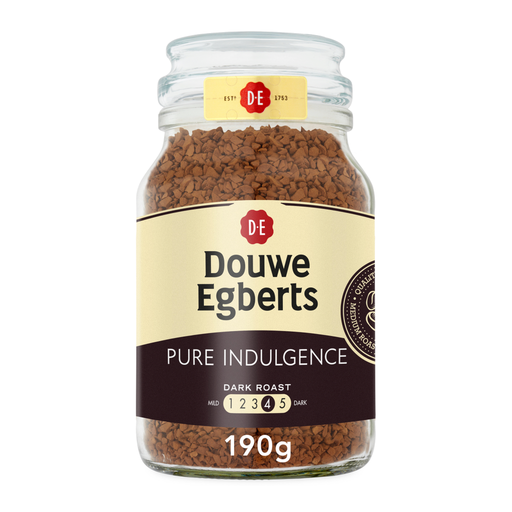
Douwe Egberts Pure Indulgence Coffee 190g
This is another dark-roast option if you prefer a rich coffee description alongside breakfast.
The listing identifies it as freeze-dried instant coffee and states 40mg caffeine per 100ml, alongside a high-caffeine warning. Check the current label and preparation instructions if you need to work out caffeine for your cup; the stated figure alone does not give a per-cup amount.
View on Joybuy
 No image available
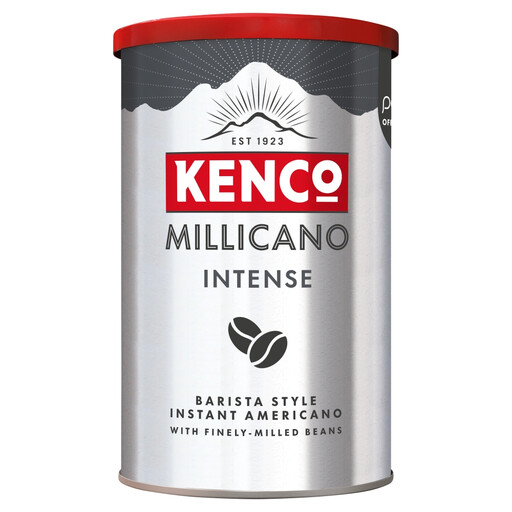
Kenco Millicano Americano Intense 95g Tin
The listing describes an intense, full-bodied Americano-style coffee for someone seeking a pronounced cup.
Its stated blend is 85% instant coffee and 15% finely ground roast coffee. Follow the pack instructions when preparing it; the description does not establish how it will taste after milk is added.
View on Joybuy
 No image available
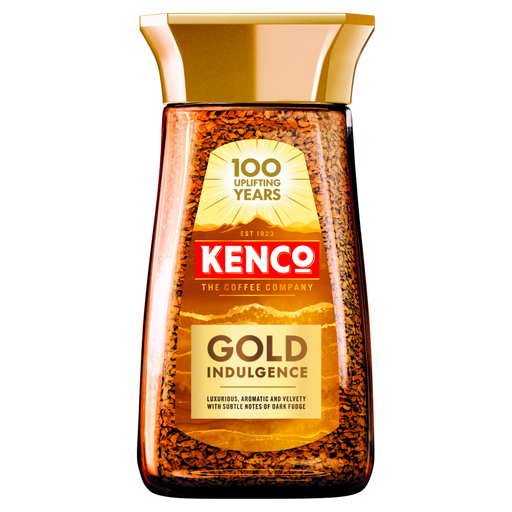
Kenco Gold Indulgence Instant Coffee 195g
The coffee description presents this as a smooth, balanced option if you prefer a less forceful breakfast cup.
The listing also mixes coffee and soft-drink wording. Check the current jar label and product identity before buying rather than relying on that description for roast or preparation details.
View on Joybuy
 No image available
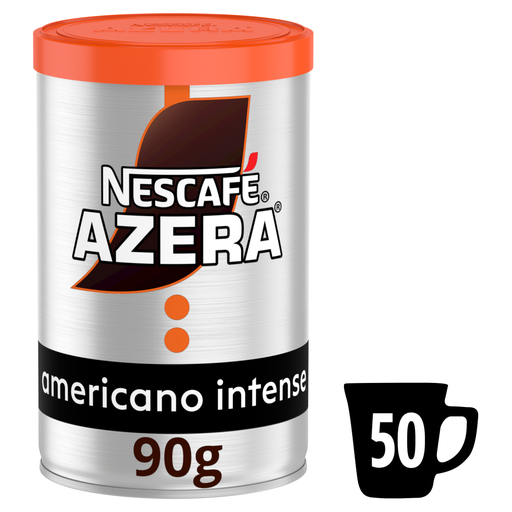
NESCAFÉ Azera Americano Intense 90g
Consider the described intense Americano-style flavour if you want a pronounced breakfast cup, while checking the ingredients if caffeine affects your choice.
The listing names decaffeinated soluble coffee and 5% decaffeinated roast-and-ground coffee. Decaffeinated does not mean caffeine-free; check the current pack if you need a specific amount per prepared serving.
View on Joybuy
Frequently asked questions
Does a higher instant-coffee intensity number mean more caffeine?
No. NESCAFÉ explains that strength-scale numbers generally describe flavour intensity rather than caffeine content. Check caffeine information for the prepared serving if that is what you need to compare.
What should I try if I add milk to breakfast coffee?
Start with a product described as robust, full-bodied or dark-roast if you want a pronounced coffee flavour after adding milk. Kenco describes Rich as robust, NESCAFÉ describes Gold Blend Intense as full-bodied, and Sainsbury’s describes Carte Noire Intense as a dark roast; your preferred result will depend on how you prepare the cup.
Which instant coffee should I consider if I dislike bitterness?
Begin with a smooth-positioned or medium-roast option rather than choosing by the highest intensity number. Kenco describes Smooth as not overly bitter, NESCAFÉ describes Gold Blend as smooth, and Ocado describes Douwe Egberts Pure Gold as a smooth medium roast.
How can I compare two instant coffees fairly at home?
Follow each pack’s instructions, then keep the coffee amount, water volume and milk addition consistent when comparing the prepared cups. That makes a flavour preference easier to judge without confusing it with a different preparation.
What UK caffeine guidance applies during pregnancy?
The NHS advises no more than 200mg of caffeine per day during pregnancy. That is a daily total across sources, so consider other caffeinated drinks and foods as well as coffee, and check product information when assessing a serving.


