For a full Scottish breakfast, choose a dark or full-bodied instant coffee if you already enjoy a pronounced roasted cup; choose a medium-roast or smooth blend if you drink coffee with milk or need one jar to suit different tastes. The size of the meal does not mean everyone will prefer stronger coffee, and intensity numbers from different brands are not a common scale.
Who is choosing the coffee?
The useful starting point is how the people at the table normally take their coffee, not how substantial the breakfast is.
Drinkers who prefer a robust black coffee
If you enjoy a pronounced roast, look for a blend explicitly described as dark or full-bodied. Kenco describes Rich as intensity 9, while NESCAFÉ describes Gold Blend Intense as dark roasted and full-bodied. Those descriptions indicate the intended profile, not a tested pairing with breakfast.
Households sharing a breakfast jar
When some people add milk or prefer a gentler cup, a medium roast or smooth blend is a practical starting point. NESCAFÉ describes Gold Blend as medium roasted, and Tesco lists Douwe Egberts Pure Gold as a medium roast with a smooth taste.
Shoppers considering supermarket blends
A familiar brand name need not decide the choice. In its August 2026 blind taste test, Good Housekeeping UK gave Exceptional by ASDA Brazilian Instant Coffee 85/100. That is a result for one tested product, not a prediction of which coffee you will enjoy with breakfast.
What matters when choosing a blend?
Decide whether you want pronounced roast character or a gentler shared cup, then check the exact jar’s description and preparation directions.
| Priority | What to check | Your needs |
|---|
| Roast character |
Look for an explicit dark-roast or full-bodied description. Kenco calls Rich intensity 9; NESCAFÉ describes Gold Blend Intense as dark roasted. Compare those descriptions, not the numbers across brands. |
I enjoy black coffee with a pronounced roasted character alongside a savoury breakfast. |
| Smoothness |
Check for a stated medium roast or smooth profile. NESCAFÉ describes Gold Blend as medium roasted; Kenco describes Smooth as intensity 7 within its range. |
Several of us will use the same jar, or I add milk and do not want a notably forceful roast. |
| Taste evidence |
Compare results for named products rather than extending one test score to a brand’s entire range. Good Housekeeping UK’s August 2026 blind test gave Exceptional by ASDA Brazilian Instant Coffee 85/100. |
I am open to an own-label coffee and want to consider a taste test alongside the jar’s flavour description. |
| Caffeine |
If you track caffeine, check the exact product’s prepared-serving information and whether you are choosing regular or decaf coffee. Roast descriptions and intensity scores do not provide a caffeine amount per cup. |
I need to account for the caffeine in my breakfast drink as well as other drinks during the day. |
| Preparation |
Follow the jar’s coffee and water directions when trying a blend. Keep both amounts consistent while comparing two coffees, then adjust them to taste. |
I want to judge the blends on comparable cups rather than mistake a stronger mixture for a different coffee profile. |
What mistakes are worth avoiding?
-
Treating intensity numbers as a universal scale
Kenco rates Rich at 9 and Smooth at 7, but another brand’s roast or strength wording does not establish an equivalent measurement.
Use a number to compare coffees within the same brand’s range. For other jars, read the roast and flavour descriptions and consider whether you usually add milk.
-
Assuming a familiar brand will taste better
Good Housekeeping UK’s August 2026 blind test gave one named ASDA instant coffee 85/100. A panel result applies to the product and tasting method used, not every own-label jar or every drinker.
Consider a named test result if its product interests you, but choose the roast and flavour profile you would want to drink regularly.
-
Buying a forceful roast for everyone at the table
A dark, full-bodied coffee may suit someone who enjoys it black but be a poor shared choice when other drinkers prefer a smoother cup.
If one jar needs to serve different preferences, consider a medium roast or a blend described as smooth before choosing a high-intensity option.
-
Overlooking caffeine when choosing by flavour
A description such as dark or intense tells you about the intended flavour profile, not how much caffeine your prepared cup contains.
If caffeine affects your choice, check the exact jar’s serving information and consider the caffeine in other drinks too.
Which brands offer relevant blends?
These references describe particular blends or tested products; a brand name alone does not tell you how every jar in its range will taste.
Kenco
Kenco provides a choice between Rich and Smooth for drinkers deciding how pronounced they want their coffee to taste.
- Kenco rates Rich at intensity 9 and Smooth at intensity 7, and describes Smooth as not overly strong or bitter.
- Those ratings help distinguish Kenco blends; they do not establish a direct comparison with another brand’s strength scale.
NESCAFÉ
Gold Blend and Gold Blend Intense offer different stated roast profiles within the NESCAFÉ range.
- NESCAFÉ describes Gold Blend as medium roasted with a smooth taste, and Gold Blend Intense as dark roasted and full-bodied.
- These are the manufacturer’s descriptions, not an independent finding that either blend pairs better with a full Scottish breakfast.
Douwe Egberts
Pure Gold is a medium-roast route for a shopper considering a less pronounced roast.
- Tesco lists Pure Gold 190g as strength 3 and describes its taste as smooth.
- That description concerns Pure Gold, not every Douwe Egberts blend or a strength comparison with other brands.
Carte Noire
Carte Noire’s Classic and Classique listings give shoppers another flavour description to consider.
- Tesco describes Classic as Arabica-rich and velvety; Sainsbury’s describes Classique as rich and smooth.
- Check the exact product and jar size: descriptions for Classic and Classique should not be treated as a measured comparison with other blends.
Tesco
Tesco’s own-label coffee is relevant if you want to consider a named product’s taste-test result rather than choose solely by brand familiarity.
- In a 2025 instant-Americano test, Sky News reported an average score of 8.8 for Tesco Finest Americano Barista Style.
- That result concerns the tested Americano product and method, not all Tesco instant coffees or a breakfast pairing.
Sainsbury’s
Sainsbury’s own-label coffee is another route to consider when comparing a specific supermarket jar with branded blends.
- The choice can be assessed by the particular jar’s stated roast and flavour profile.
- Do not assume one own-label product represents the flavour of the whole Sainsbury’s range.
Instant coffee options on Joybuy
These jars offer choices for a more pronounced breakfast coffee or a smoother everyday cup. They are product options, not a taste-test ranking; check the particular jar if roast, ingredients or caffeine details matter to you.
 No image available
Costa Instant Intense Dark Roast 100g
Consider this instant dark roast if you prefer a pronounced roast description for your breakfast coffee. The 100g size distinguishes this jar; its name alone does not establish how it will taste alongside food.
View on Joybuy
 No image available
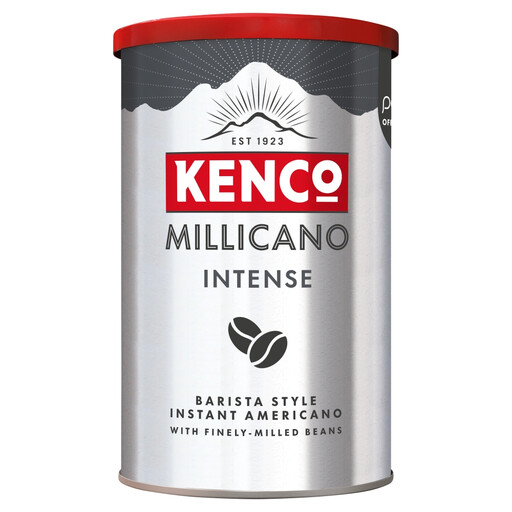
Kenco Millicano Americano Intense 95g tin
The Americano Intense variant is an option if that is the coffee profile you want to explore with breakfast. This listing is for a 95g tin; the name does not give a roast level or a strength measure comparable with other jars.
View on Joybuy
 No image available
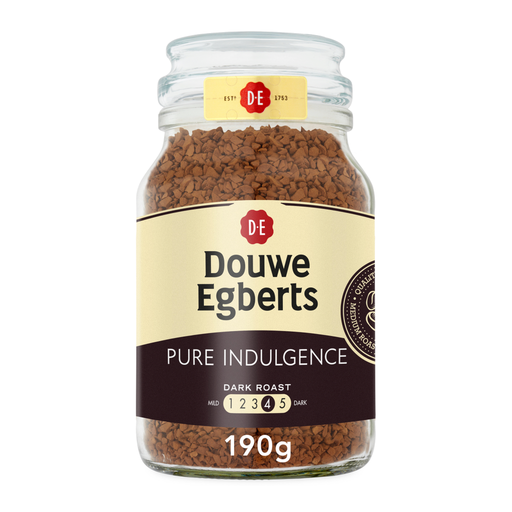
Douwe Egberts Pure Indulgence Coffee 190g
If you are considering a Douwe Egberts jar for breakfast, check the Pure Indulgence 190g pack’s roast description against the cup you prefer. Pure Indulgence is a different blend from the Pure Gold medium roast discussed above.
View on Joybuy
 No image available
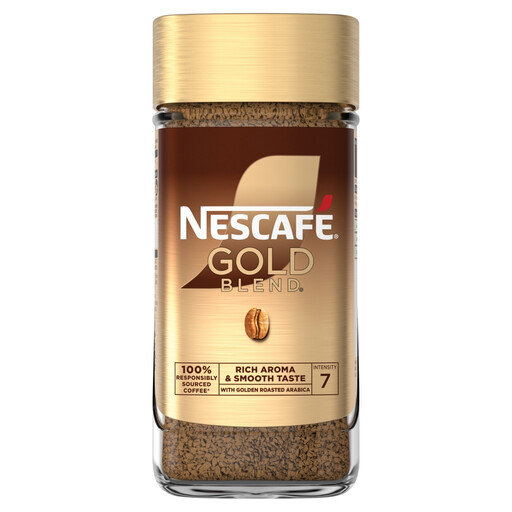
NESCAFÉ Gold Blend Coffee 190g
This is a medium-roast route for a shared breakfast jar or a drinker who prefers a less pronounced roast. NESCAFÉ describes Gold Blend as smooth; this option is the 190g jar, not Gold Blend Intense.
View on Joybuy
 No image available
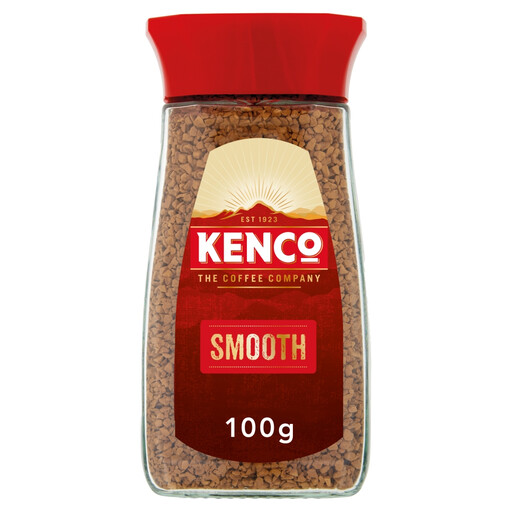
Kenco Smooth Coffee 100g
Consider this 100g jar if a smoother cup appeals more than an explicitly dark-roast option. Kenco rates Smooth at intensity 7 within its own range and describes it as not overly strong or bitter; that rating is not a cross-brand measurement.
View on Joybuy
Questions about breakfast coffee
Do I need a strong coffee with a full Scottish breakfast?
No: choose a strong profile if you enjoy it, not simply because the breakfast is substantial. Kenco describes Rich as intensity 9, and NESCAFÉ describes Gold Blend Intense as dark roasted and full-bodied; their medium-roast or smooth alternatives give you a different starting point if the jar will be shared or you add milk.
How can I compare the taste of two instant coffees fairly?
Follow each jar’s preparation directions to begin with, then use consistent amounts of coffee and water for your comparison. Once you know which flavour profile you prefer, adjust the mixture to suit your cup.
How should I store an opened jar?
Follow the storage and best-before directions on that jar. Keep its lid closed between uses so you can prepare subsequent cups as the pack directs.
Can I choose decaf for breakfast instead?
Yes. If caffeine affects your choice, compare decaf products and check the exact pack’s serving information rather than relying on roast or intensity wording to indicate caffeine content.


